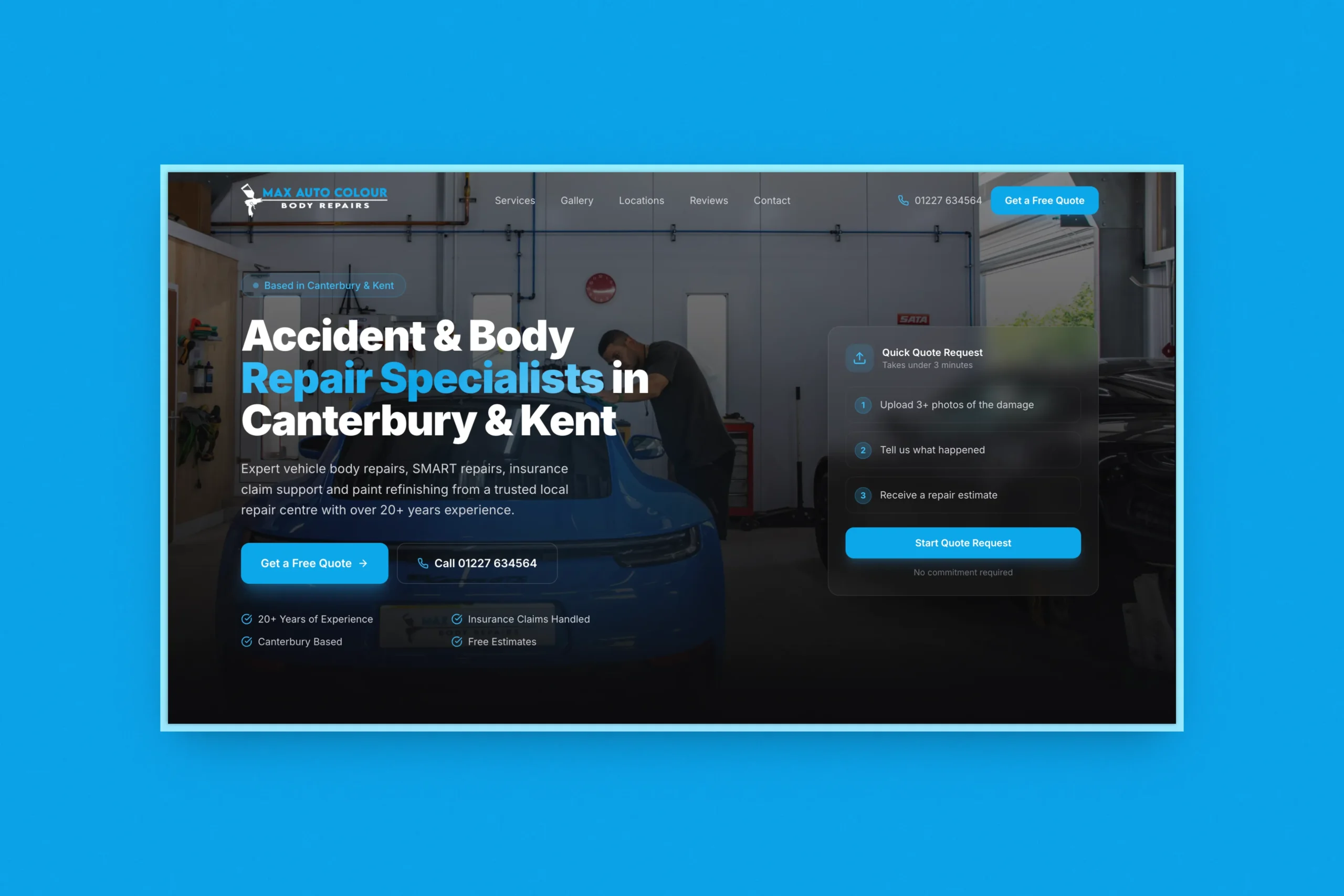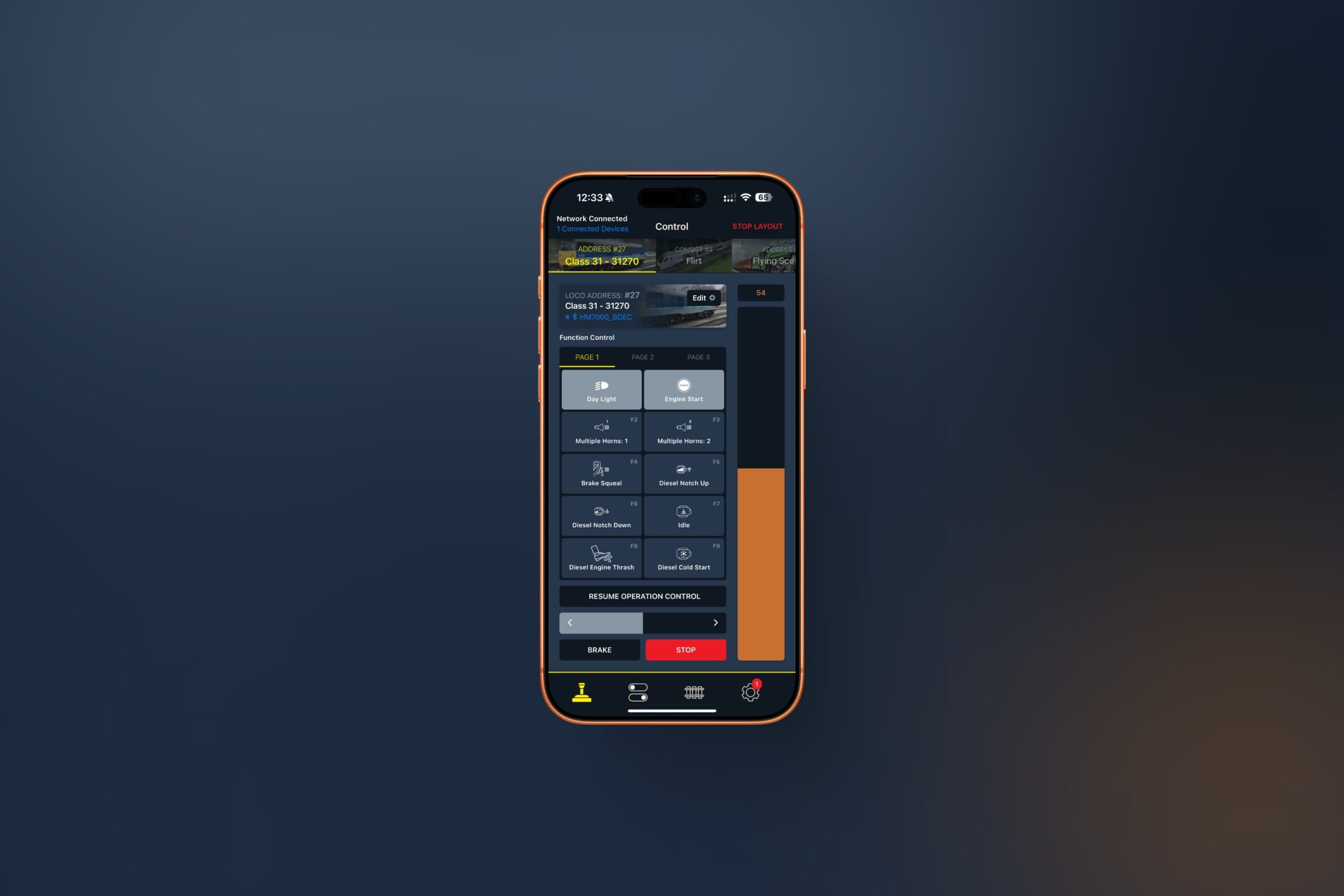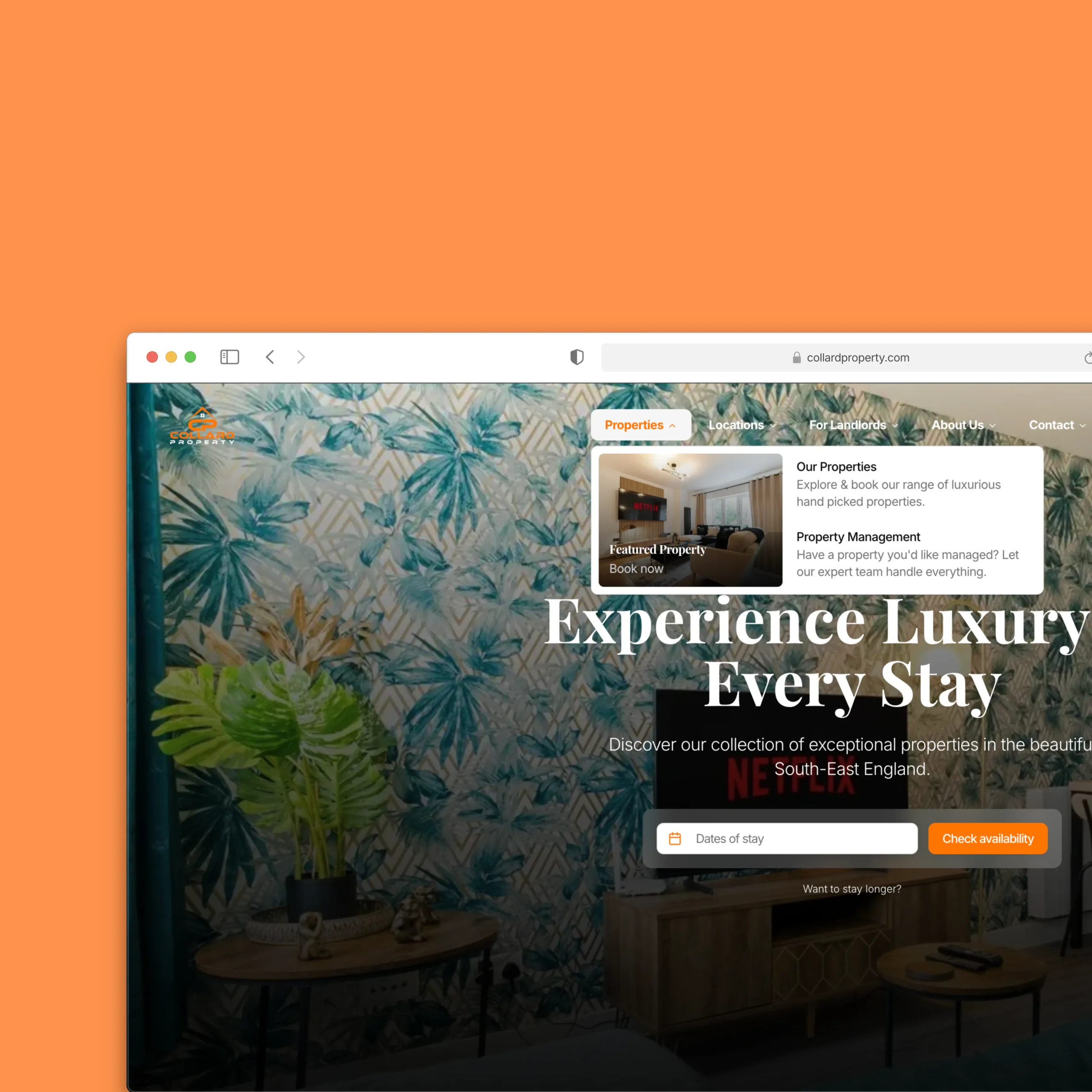
So you’ve done the hard part. You’ve invested in a website, you’re showing up online, and you’re doing what you’re told will grow your business. So why aren’t the enquiries coming in? The honest truth is this: your website might be working against you. A poor digital experience doesn’t just fail to convert visitors it actively pushes them elsewhere. And in most cases, business owners don’t realise it’s happening.
Here are five clear signs your website could be costing you clients, and what to do about it.
1. It Takes More Than 3 Seconds To Load
If your website takes more than a few seconds to load, a large percentage of users will leave before they’ve even seen what you offer. And once they’re gone, they rarely come back.
Slow performance is often caused by:
- Oversized, unoptimised images
- Outdated plugins or bloated code
- Poor-quality hosting
- Lack of technical optimisation
On mobile, this problem is even worse. Connection speeds vary, and users expect instant results.
There’s also an SEO impact. Google factors page speed into rankings, meaning a slow website doesn’t just lose visitors, it loses visibility too.
What to do:
Run your website through Google PageSpeed Insights. If you’re scoring below 70, it’s time to look seriously at performance optimisation.
2. It Doesn’t Work Properly On Mobile
More than 60% of web traffic now comes from mobile devices. If your site looks fine on desktop but breaks down on a phone (tiny text, hard-to-tap buttons, content spilling off the screen) you’re losing the majority of your audience immediately. This isn’t just a usability issue. Google uses mobile-first indexing, meaning it primarily evaluates the mobile version of your site when determining rankings.
In other words, if your website doesn’t work on mobile, it’s not just frustrating it’s actually holding you back from being found in the first place.
What to do:
View your website on your phone and use it like a first-time visitor. If anything feels awkward, slow, or confusing, it needs fixing.
3. Your Messaging Isn’t Clear Within 5 Seconds
When someone lands on your homepage, they make a judgement almost instantly.
If they can’t quickly answer three key questions, they’ll leave:
- What do you do?
- Who do you do it for?
- Why should they care?
This is where many websites fall down. They look polished but say very little.
Phrases like “innovative solutions for modern challenges” or “we put people first” might sound good, but they don’t communicate value clearly.
Visitors aren’t looking for brand fluff, they’re looking for clarity.
What to do:
Refocus your homepage hero section. Lead with a clear, specific statement of what you offer and who it’s for. You can build in personality and brand messaging once you’ve captured attention.
4. There’s No Clear Next Step
Every page on your website should guide the visitor towards a specific action.
If someone is interested but can’t figure out what to do next, whether that’s getting a quote, booking a call, or making an enquiry then you’ve already lost them.
Weak or unclear calls to action are a common conversion killer:
- Contact details buried in the footer
- Generic buttons like “Click here” or “Learn more”
- No clear direction at all
Users shouldn’t have to think about what to do next. Your website should tell them.
What to do:
Review your key pages and ask: what do I want this person to do next?
Make your call to action clear, visible, and specific:
“Get a free quote”, “Book a discovery call”, or “Start your project” will always outperform vague alternatives.
5. It’s Been Left Behind
One of the most common things we hear when talking to new clients is: “We had the site built a few years ago, but it’s just been sat there ever since.” It’s more common than you’d think, and it causes more problems than most people realise.
A neglected website doesn’t just look outdated. It works outdated. And increasingly, it becomes invisible.
It looks outdated: Design trends move fast. A site that felt fresh three years ago can now read as cluttered, untrustworthy, or simply behind the times. Visitors make snap judgements about your business based on what they see, often before they’ve read a single word. Generic stock photos, dated fonts, inconsistent branding are all quiet signals that something’s off.
It works outdated: Old plugins, slow load times and broken mobile layouts mean a static site gradually falls apart under the surface. But beyond the technical decay, the content itself goes stale. Services change, teams grow, prices shift, yet the website says nothing about any of it.
It disappears from search: This is where the real damage is done. Search engines like Google reward websites that are actively maintained and regularly updated. A site that hasn’t changed in years sends the wrong signals and gets pushed down the rankings as a result. Poor SEO means fewer people finding you, full stop.
What to do:
This is exactly why we work as long-term digital partners, not just one-off builders. We believe a website should grow alongside your business and be updated regularly, monitored consistently, and kept sharp both visually and technically. If your site has been sitting still while your business has moved forward, it’s time to change that.
So, What Is Your Website Really Doing?
Your website should be one of your most effective sales tools, not something that quietly loses you opportunities. If any of the signs above feel familiar, it’s worth taking a closer look.
If you’d like an honest, no-obligation review of your site, get in touch today. We’ll show you exactly where it’s working and where it’s letting you down.