Website Redesign & Optimisation
Redesigns that improve performance, not just visuals.
We rebuild underperforming websites with better UX, clearer content structure, and faster page speed. Ideal for businesses that need stronger SEO, higher conversion rates, and a platform that is easier to evolve.
Website redesign and optimisation for businesses that have outgrown their current site
A website does not always need replacing because it is broken. More often, it needs redesigning because it no longer reflects the business, no longer performs well enough, or no longer supports the way the company wants to grow.
Our website redesign and optimisation service is built for businesses with an existing website that feels dated, underwhelming, difficult to manage or commercially ineffective. That might mean poor user experience, weak conversion paths, inconsistent branding, slow performance, outdated layouts, thin page structure, or a site that simply no longer matches the quality of the business behind it.
At Bryter, we approach redesign work as both a design and performance exercise. We look at what is holding the current website back, what should be retained, what needs improving, and how the next version can work harder across user experience, content structure, SEO and conversion.
A clearer, more modern website builds trust faster and reflects the quality of the business more accurately.
Stronger page structure, cleaner development and better optimisation help the site load faster and work more smoothly.
Redesigning key journeys, calls to action and page layouts helps turn more visitors into enquiries, leads or customers.
What our website redesign and optimisation service includes
Some redesign projects are primarily visual. Others are deeper structural rebuilds that improve content hierarchy, performance, page templates, CMS flexibility, mobile behaviour and technical SEO foundations. In many cases, it is a combination of both.
We work with businesses to review the current website honestly, identify where it is underperforming, and redesign it with a clearer commercial purpose. That can include UX improvements, refreshed design systems, content restructuring, speed optimisation, SEO-aware page planning, stronger calls to action and cleaner technical implementation.
- Full website redesign and UX improvement
- Performance and speed optimisation
- Conversion-focused page structure and calls to action
- SEO-aware content and layout planning
- Rebuilds for outdated, underperforming or hard-to-manage sites

Signs your website may need a redesign
Many businesses live with an underperforming site for too long. These are some of the clearest signs it is time to improve it.
The website looks dated
If the design feels behind the market, it can quickly affect credibility and first impressions.
It is not converting well
Traffic alone is not enough. If visitors are not taking action, the structure and messaging may need reworking.
It is slow or clunky to use
Poor speed, awkward layout behaviour and mobile friction all reduce user confidence and engagement.
It is hard to update internally
If the website is difficult to manage, content improvements and marketing activity become harder than they should be.
The business has moved on
Your website should reflect where the business is now, not where it was several years ago.
A redesign should solve more than visual problems
Many website redesigns fail because they focus too heavily on surface-level improvements. The site looks fresher, but the underlying issues remain. Navigation is still unclear. Page structure still lacks intent. Content is still weak. Mobile experience still feels compromised. The CMS is still frustrating to use. Performance is still poor.
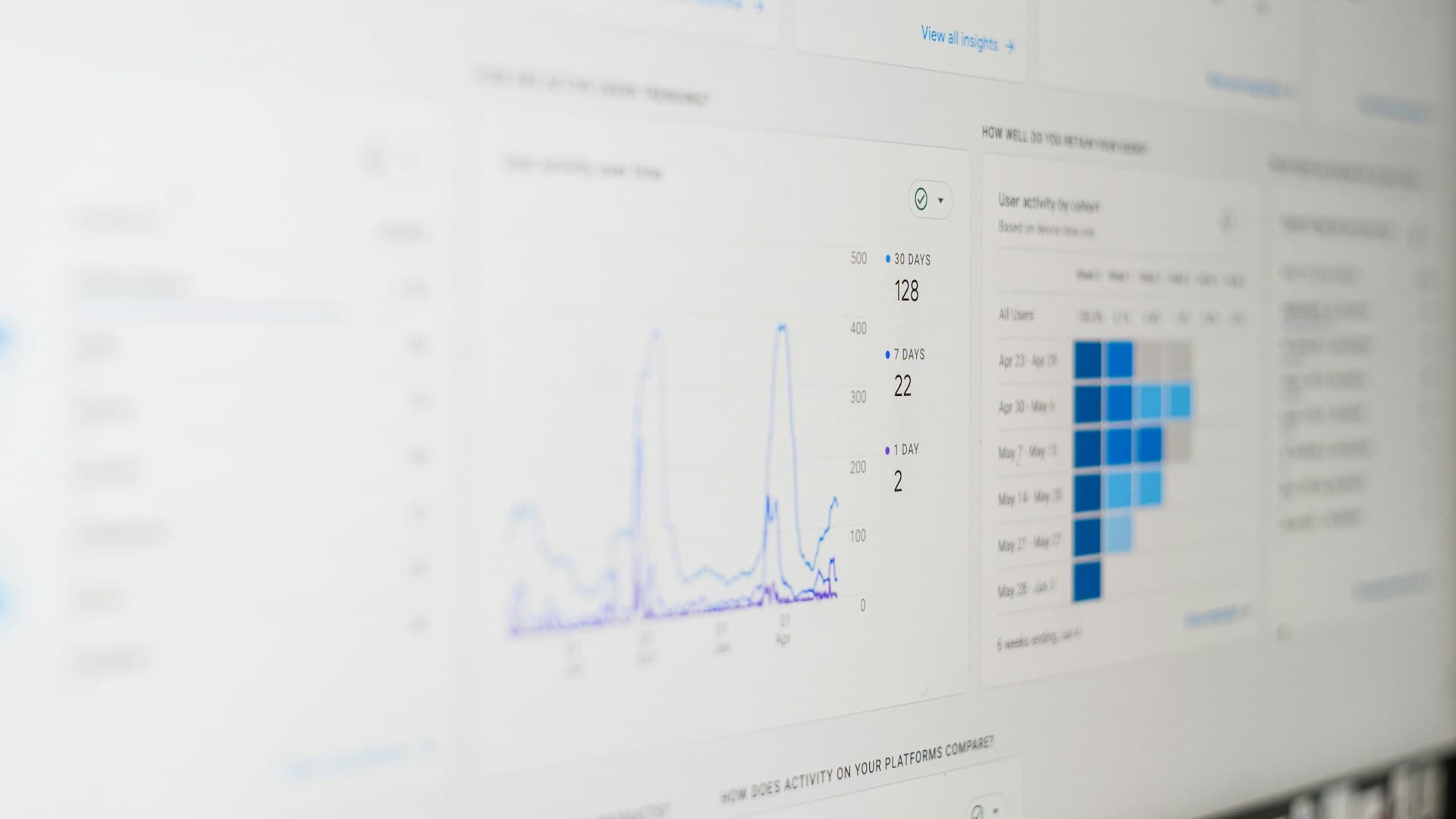
A better redesign process goes further. It looks at how people use the website, what pages matter most, where users are dropping off, what is missing from the content journey, and what is making the site harder to manage or scale internally.
That is how we approach redesign and optimisation work. Not as a cosmetic exercise, but as an opportunity to improve the website as a whole.
A typical website redesign with Bryter
A structured redesign process focused on clarity, performance and measurable improvement.
Audit the current website properly
We begin by reviewing the current website in detail. That includes design quality, UX issues, page structure, content hierarchy, performance, technical limitations and conversion friction. We want to understand what is working, what is not, and what should shape the redesign.
- UX and design review
- Content and page structure audit
- Performance and speed review
- Mobile usability analysis
- Technical and CMS limitations review
Define priorities and redesign strategy
Once the issues are clear, we define the redesign direction. That includes deciding what pages need the most attention, what content should be restructured, how the user journey should improve, and where the biggest performance or commercial gains can be made.
- Page priority mapping
- Conversion and CTA planning
- Content restructure recommendations
- SEO-aware page planning
- Design direction and feature scope
Redesign the user experience and visual system
We then redesign the website with a clearer and more modern structure. Layouts, content modules, navigation patterns and calls to action are all shaped to make the site easier to use and more commercially effective.
- Wireframes and layout planning
- Improved navigation and hierarchy
- Refreshed interface design
- Responsive UX thinking
- Clearer call-to-action structure
Optimise the build and technical foundation
A redesign also needs stronger implementation. We improve page speed, clean up bloated structure, optimise templates, support better content management, and make sure the technical foundation is supporting performance rather than undermining it.
- Cleaner frontend implementation
- Performance-led development
- CMS and editing improvements
- Technical SEO foundations
- Cross-device refinement
Launch a better-performing website
Before launch, we test the redesigned website thoroughly and review the user journey, responsiveness, content population and overall quality. The goal is a site that feels sharper, performs better and gives the business a stronger digital platform going forward.
- Cross-browser and device QA
- Final content review
- Technical checks before go-live
- Launch support
- Post-launch improvement planning

User experience
Visitors need to understand the site quickly, move through it easily and reach the right next step without confusion.

Content clarity
Pages should communicate value clearly, structure information properly and support stronger search visibility.

Mobile usability
A redesigned site must work just as well on smaller screens as it does on desktop.
Technical performance
Page speed, frontend quality and cleaner structure all contribute to better usability and stronger SEO foundations.

Conversion paths
Calls to action, enquiry routes and key landing pages should be designed with intent rather than added as an afterthought.

Internal manageability
The site should be easier for your team to update, improve and expand after launch.

User experience
Visitors need to understand the site quickly, move through it easily and reach the right next step without confusion.

Content clarity
Pages should communicate value clearly, structure information properly and support stronger search visibility.

Mobile usability
A redesigned site must work just as well on smaller screens as it does on desktop.
Technical performance
Page speed, frontend quality and cleaner structure all contribute to better usability and stronger SEO foundations.

Conversion paths
Calls to action, enquiry routes and key landing pages should be designed with intent rather than added as an afterthought.

Internal manageability
The site should be easier for your team to update, improve and expand after launch.

User experience
Visitors need to understand the site quickly, move through it easily and reach the right next step without confusion.

Content clarity
Pages should communicate value clearly, structure information properly and support stronger search visibility.

Mobile usability
A redesigned site must work just as well on smaller screens as it does on desktop.
Technical performance
Page speed, frontend quality and cleaner structure all contribute to better usability and stronger SEO foundations.

Conversion paths
Calls to action, enquiry routes and key landing pages should be designed with intent rather than added as an afterthought.

Internal manageability
The site should be easier for your team to update, improve and expand after launch.

User experience
Visitors need to understand the site quickly, move through it easily and reach the right next step without confusion.

Content clarity
Pages should communicate value clearly, structure information properly and support stronger search visibility.

Mobile usability
A redesigned site must work just as well on smaller screens as it does on desktop.
Technical performance
Page speed, frontend quality and cleaner structure all contribute to better usability and stronger SEO foundations.

Conversion paths
Calls to action, enquiry routes and key landing pages should be designed with intent rather than added as an afterthought.

Internal manageability
The site should be easier for your team to update, improve and expand after launch.
Redesigning without improving structure is usually a missed opportunity
A website redesign creates a rare moment to improve the foundation of the site, not just the appearance. That can include better content hierarchy, clearer service page architecture, stronger landing page structure, improved internal linking, more deliberate call-to-action placement and a more flexible CMS setup.
This matters for users, but it also matters for search performance. A better organised, better written and better structured website is easier for search engines to crawl, understand and index. It also gives the business a stronger platform for future SEO and content growth.
- Improve site structure as well as design
- Strengthen service pages and landing pages
- Support better crawlability and content hierarchy
- Create more flexible templates for growth
- Build stronger SEO foundations into the redesign

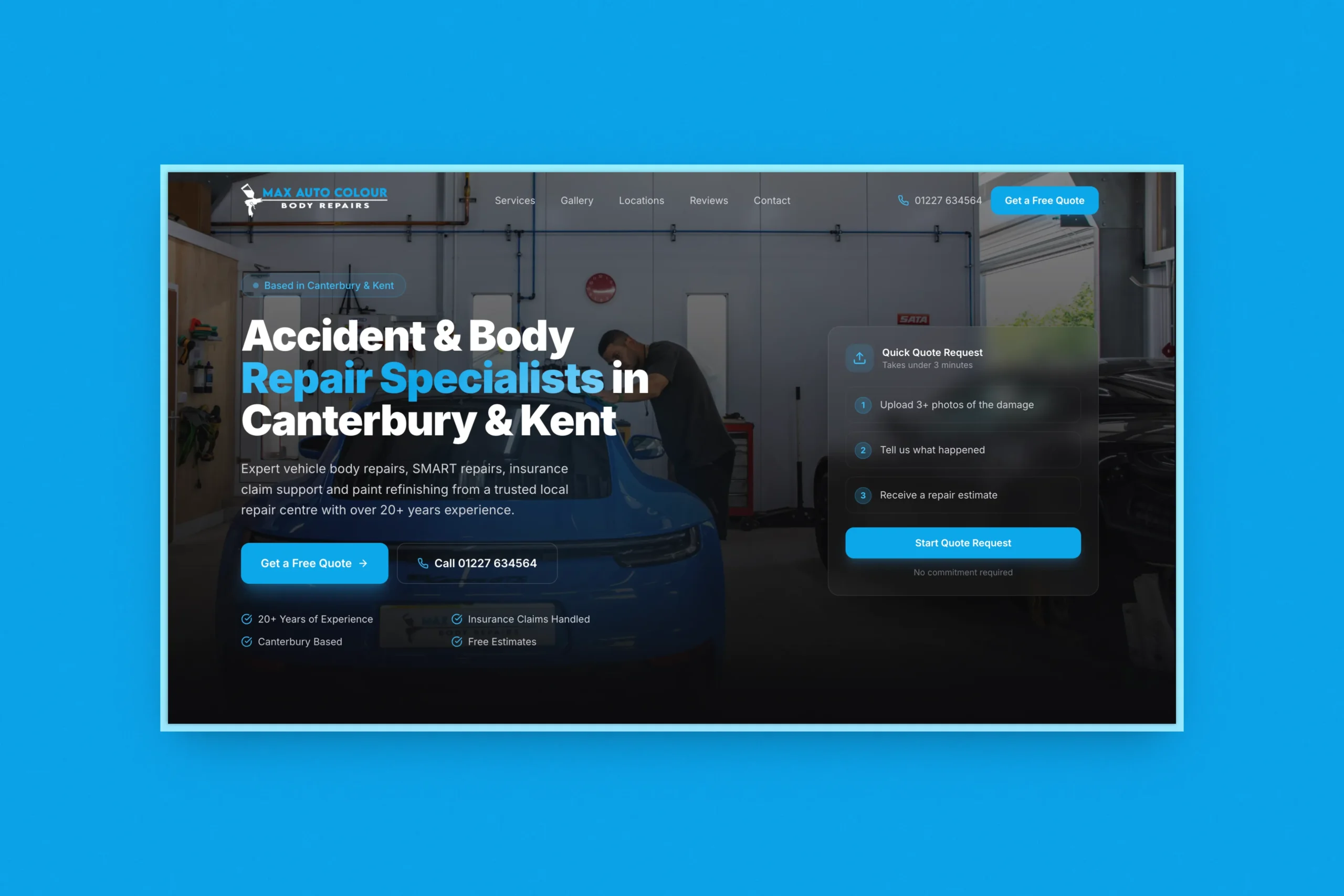
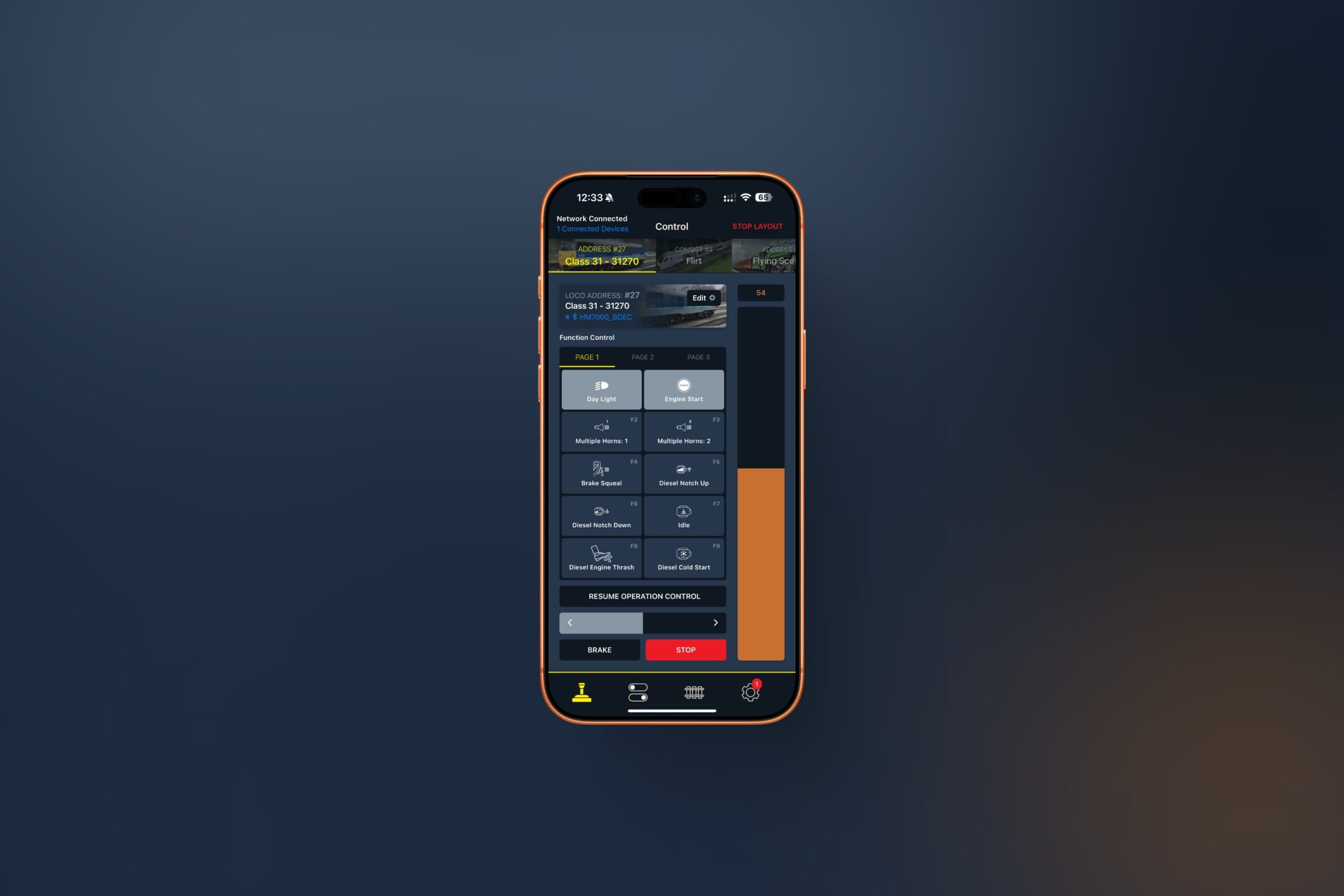
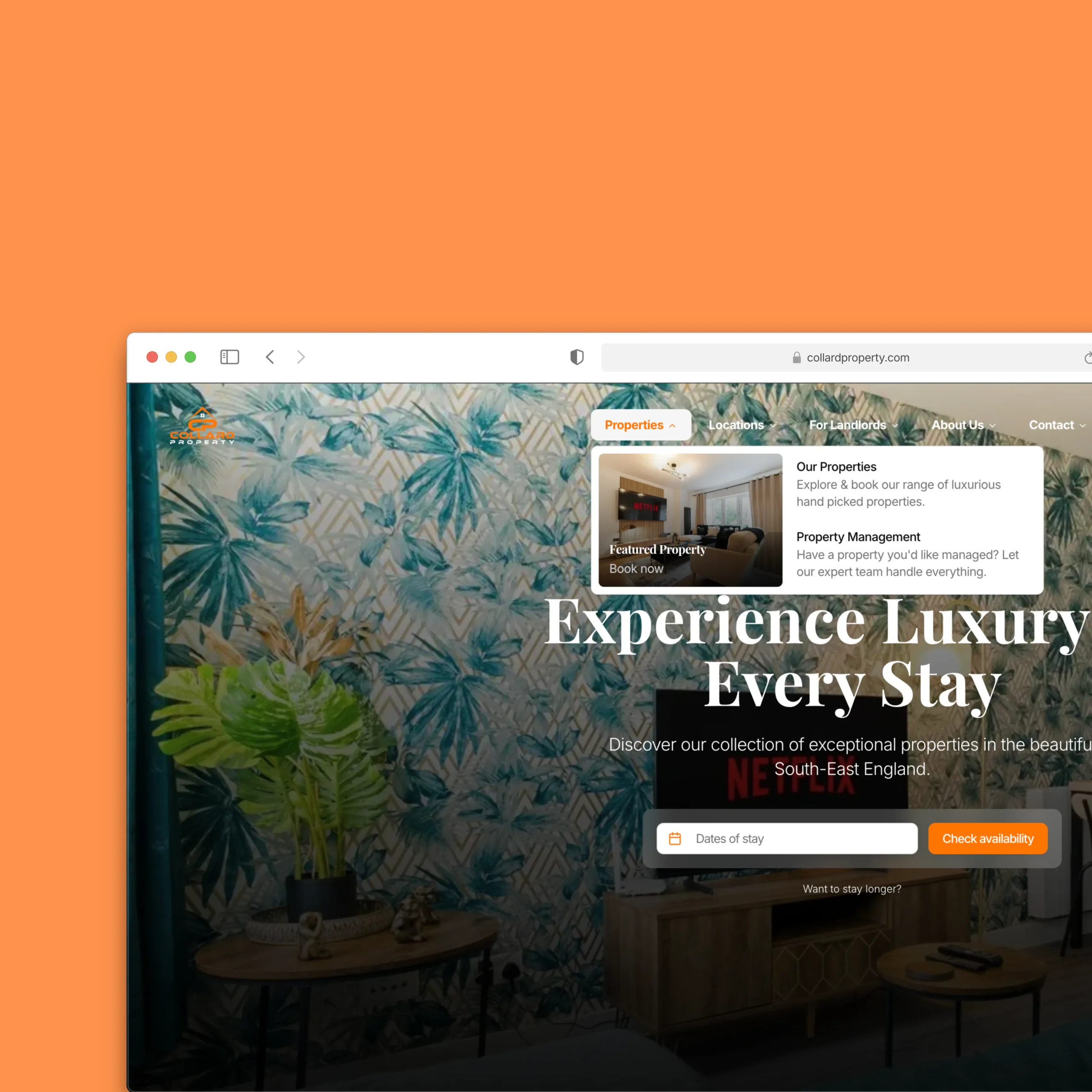
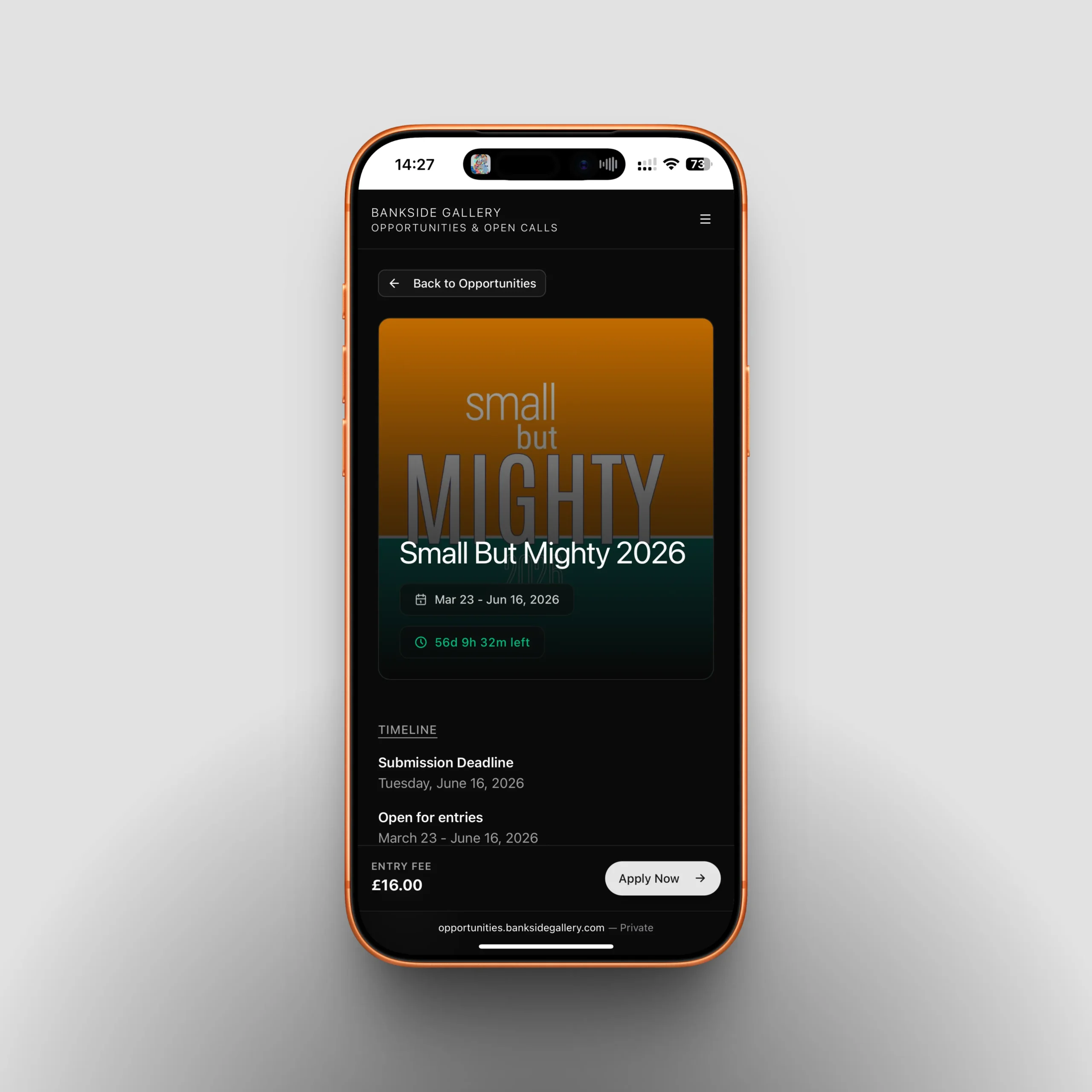
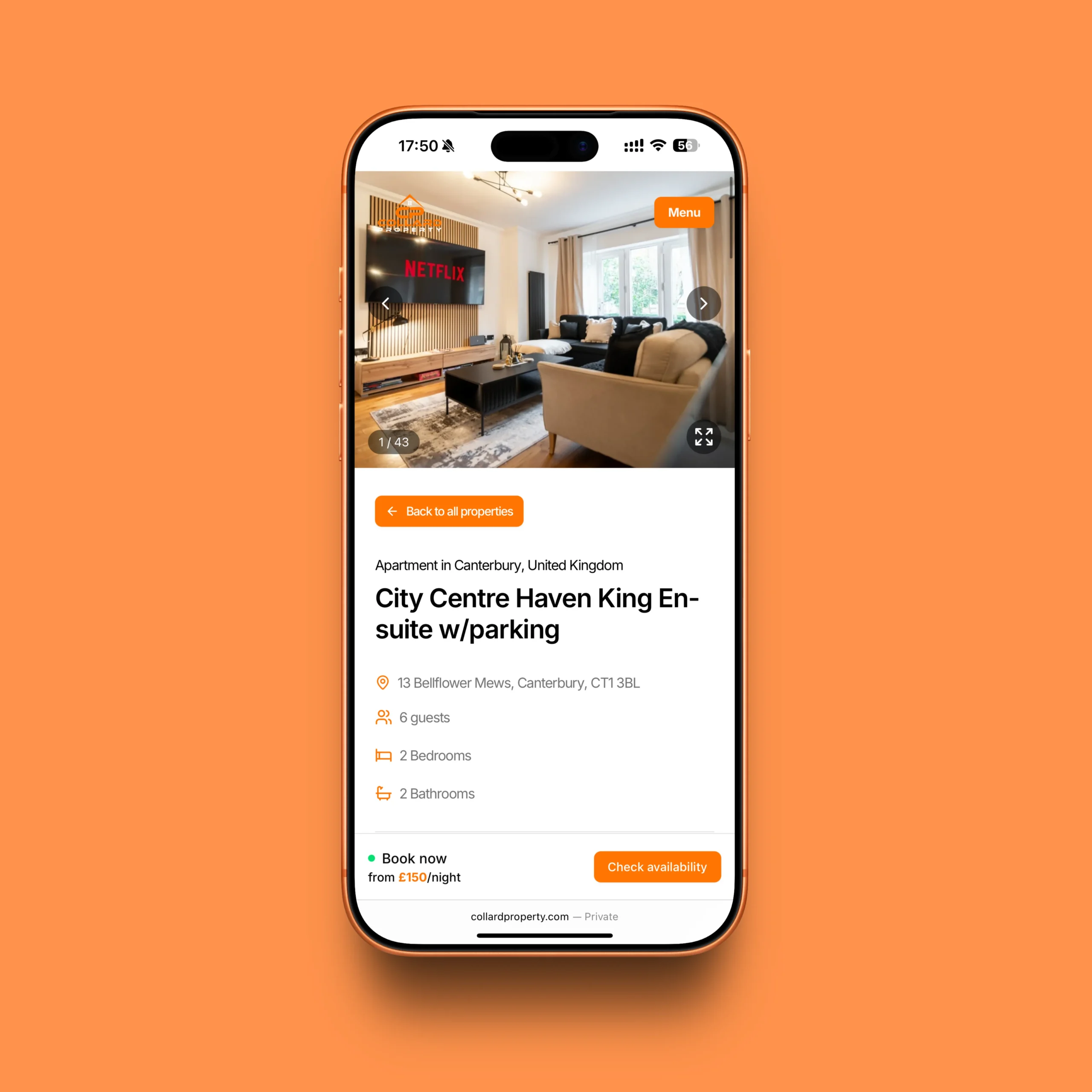
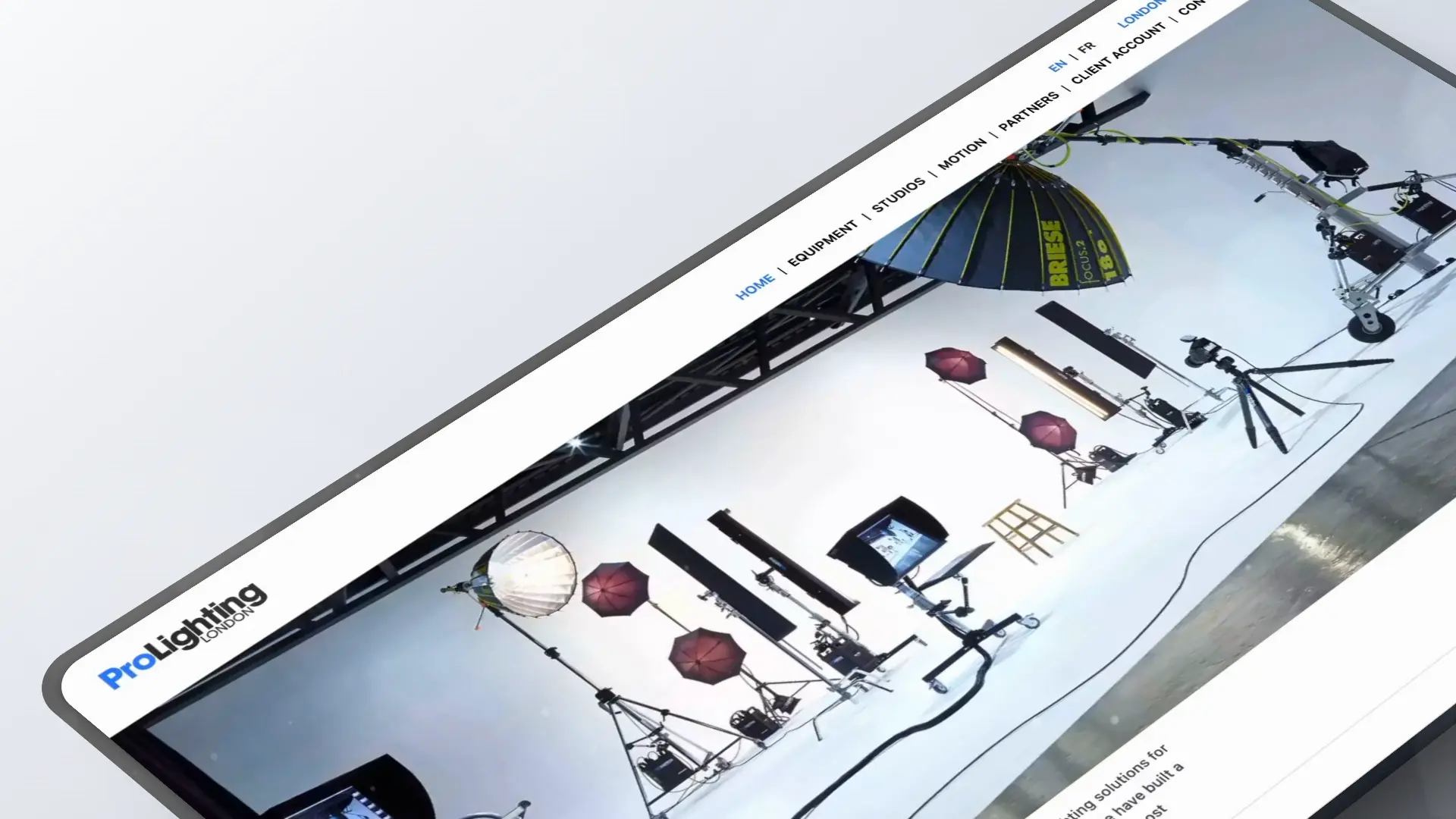
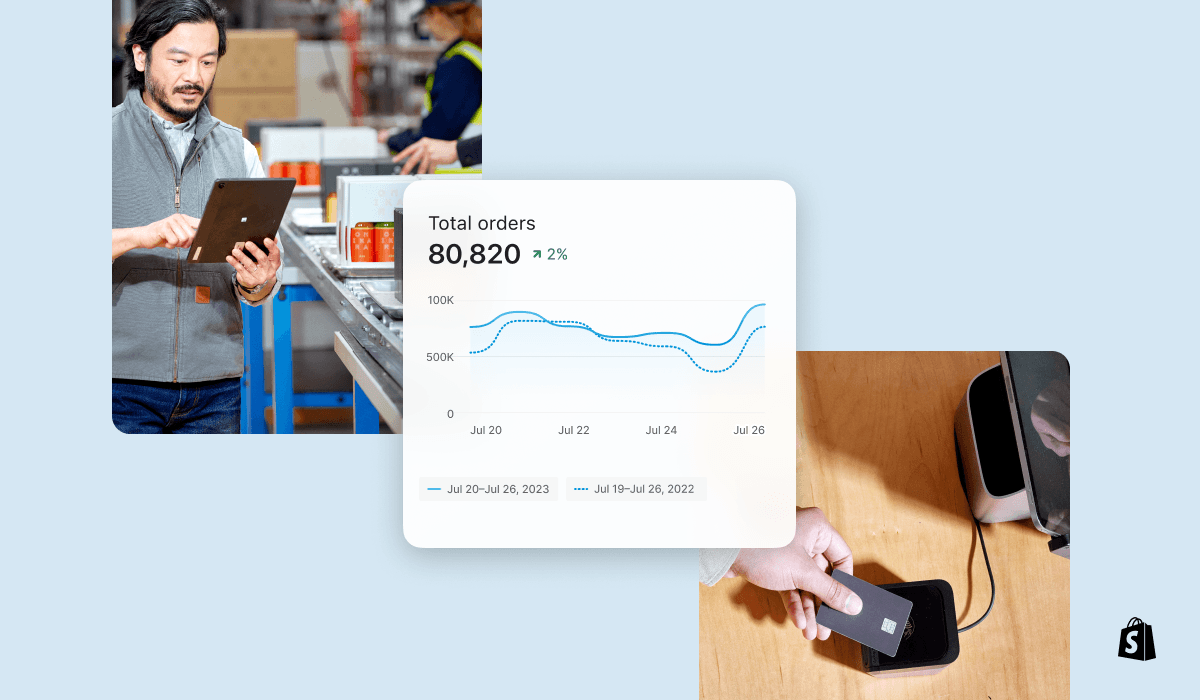
New & featured redesign projects
Selected projects that show how we approach redesign, optimisation and better-performing digital experiences.
Why website redesign and optimisation matters for SEO
A weak website structure can limit search performance even when the business offers strong services. Thin pages, unclear hierarchy, poor mobile usability, slow loading times, weak internal linking and outdated layouts all make it harder for a site to compete well in search.
A stronger redesign helps address those issues properly. It gives important pages more depth, improves page intent, supports better metadata and content structure, creates a cleaner hierarchy, and makes the site easier for both users and search engines to navigate.
That does not mean redesign alone guarantees rankings. But it does create a much better technical and content foundation for SEO to perform.

Built and optimised with dependable modern technologies
FAQs
Straight answers to common questions about redesigning and improving an existing website.
Website redesign and optimisation in Canterbury, Kent and across the UK
Bryter Digital is based in Canterbury, Kent, and works with businesses locally and across the UK on website redesign and optimisation projects. We help organisations improve outdated websites, modernise digital presentation, strengthen SEO foundations and create clearer, more commercially effective user journeys.
Whether your current website feels visually dated, structurally weak or technically limiting, we can help turn it into a stronger platform for growth.