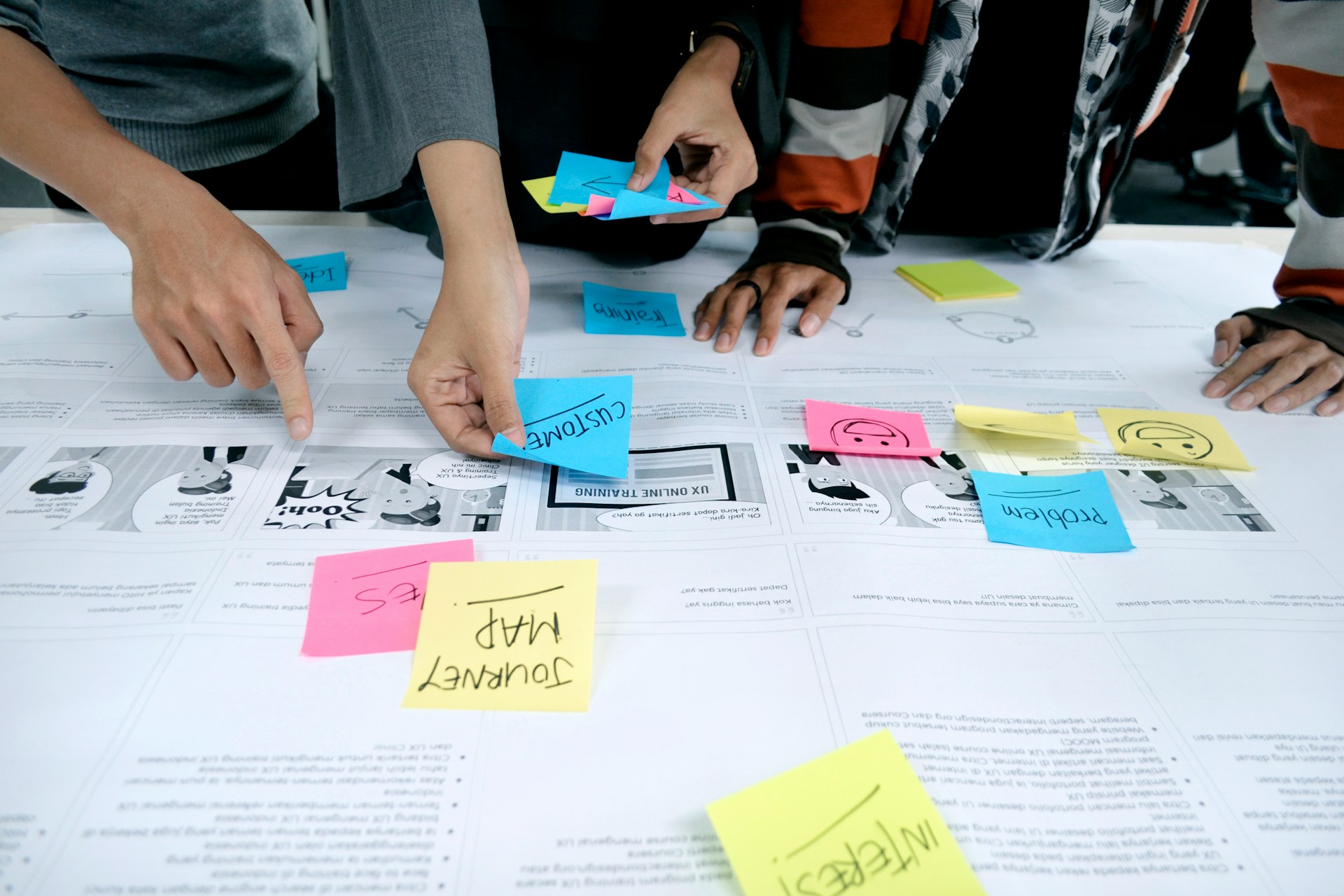
We develop iOS and Android apps with a focus on usability, performance, and long-term maintainability. From MVP builds to mature app platforms, we handle design, development, and release workflows.
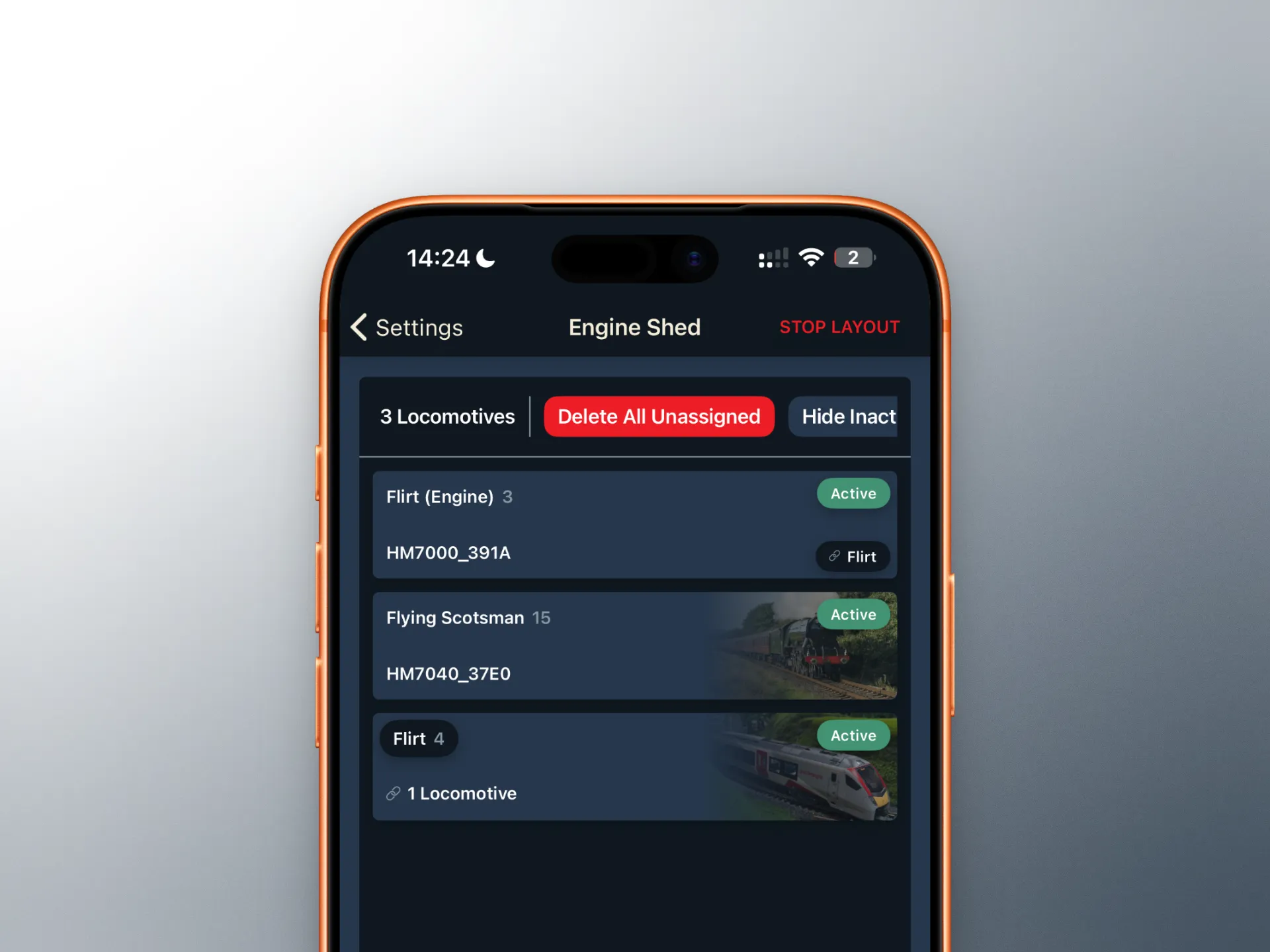
Mobile app development for businesses that need more than just an idea turned into screens
We design and develop mobile applications that are built to solve real problems, support real users and perform reliably over time. Whether you need a customer-facing app, an internal operational tool, a connected product companion, or a bespoke platform with mobile at its core, we build apps with a clear commercial and technical purpose.
A successful app is not just about interface design. It needs the right feature set, the right user journey, the right architecture and the right development decisions behind it. It also needs to work properly in the real world, across devices, networks and usage scenarios.
At Bryter, we approach mobile app development with that broader view in mind. We define what the product needs to do, how it should behave, how it will scale, and how it will connect with your wider systems before we move into build.
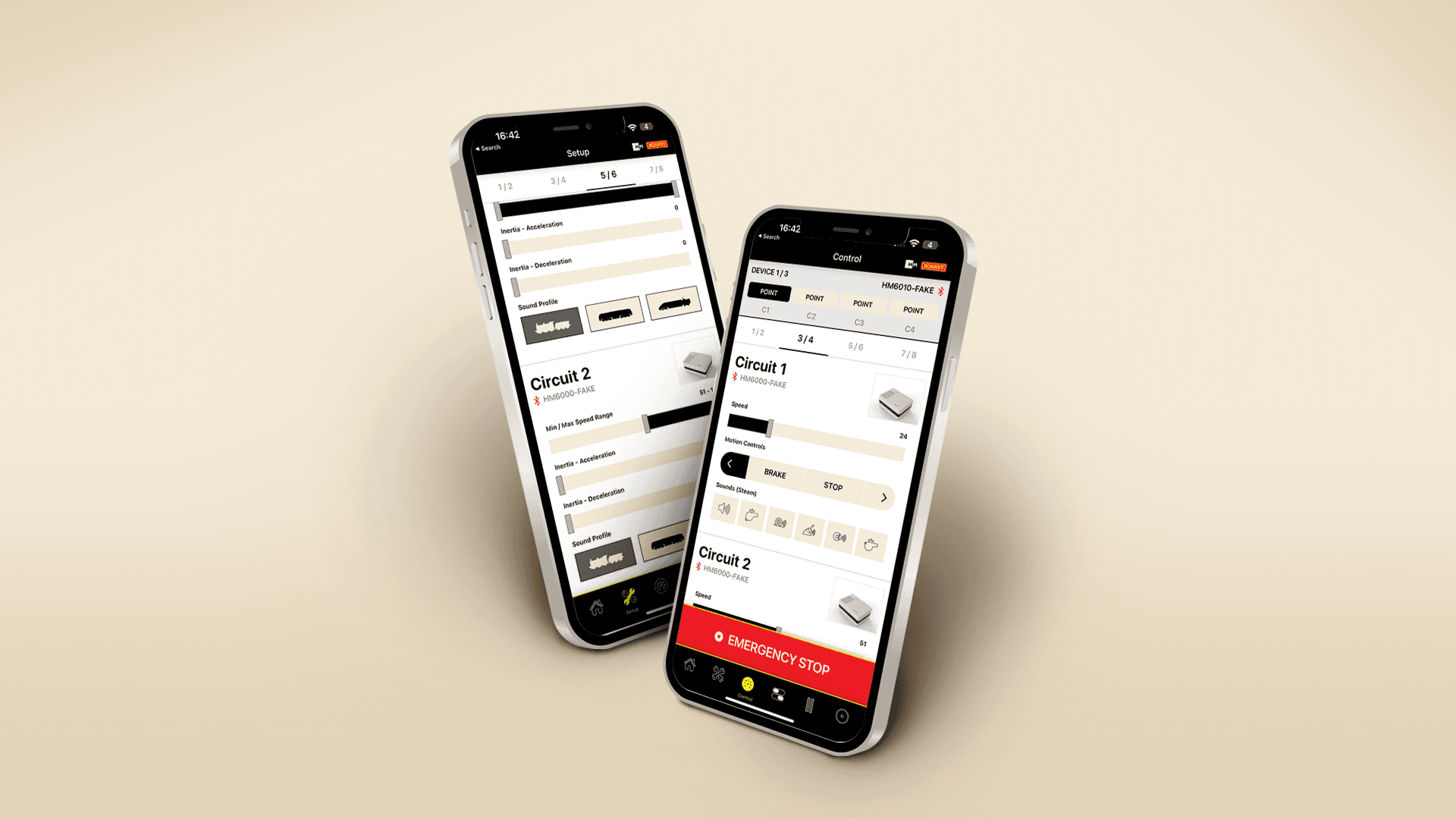
Built with modern mobile and backend technologies.
What our mobile app development service includes
Our mobile app projects are shaped around the actual role the app needs to play in the business. Some apps are designed to improve customer access, bookings, purchases or account management. Others are built to support field teams, internal operations, logistics, monitoring, workflows or connected hardware.
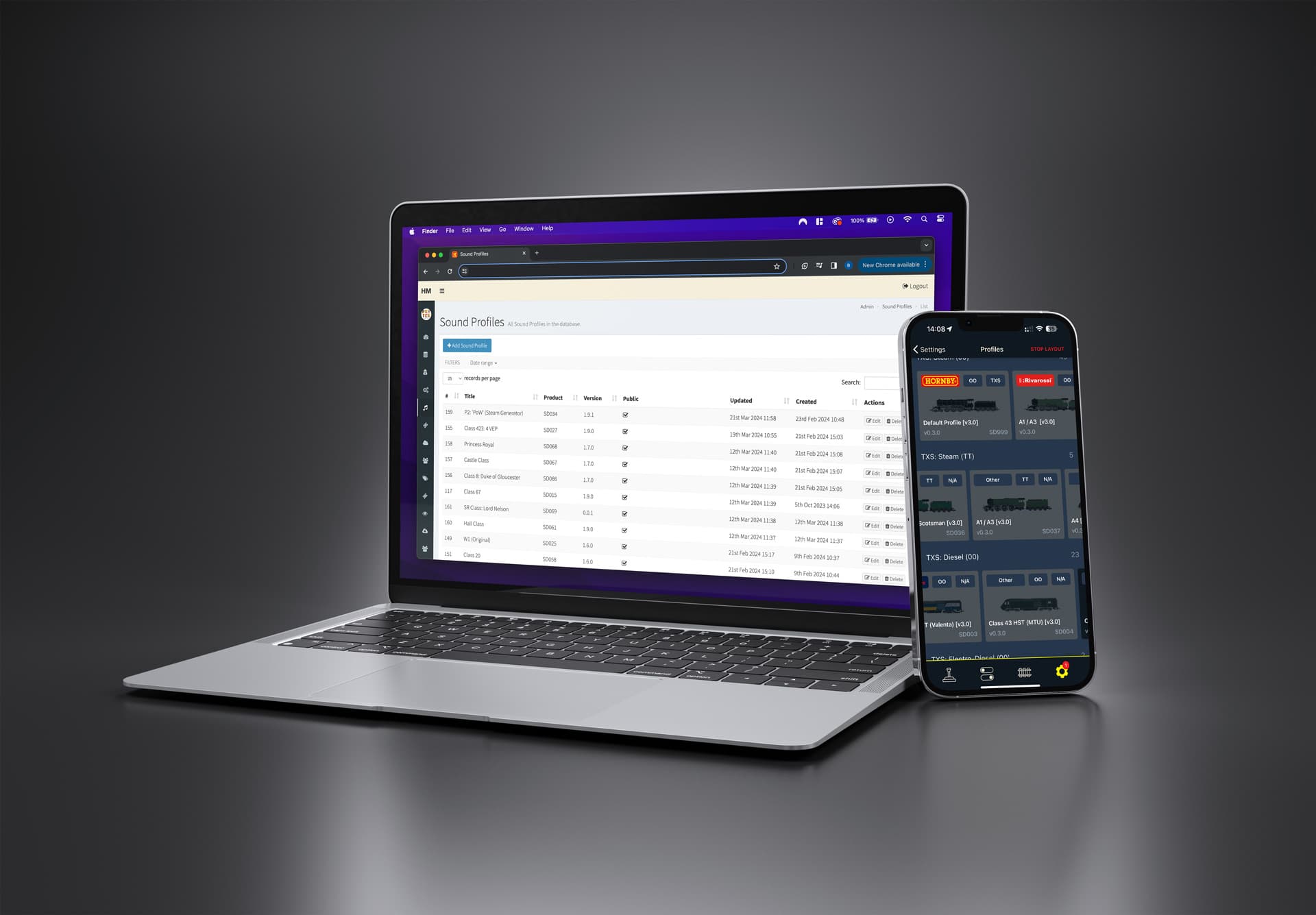
We handle both product thinking and technical delivery, covering UX, interface design, frontend app development, backend systems, APIs, admin tools and deployment support. The result is an app that is not only well designed, but properly engineered.
- Custom iOS and Android app development
- UX and interface design for mobile journeys
- Backend systems, APIs and admin tooling
- Integration with third-party platforms and internal systems
- Scalable architecture for future features and growth

Your mobile app development journey with Bryter
A structured process that takes your app from concept and scoping through to development, launch and iteration.
Discovery, product definition and technical scoping
We begin by understanding what the app needs to achieve, who it is for, and what success looks like. That includes audience needs, required functionality, user flows, technical dependencies and any operational challenges the app needs to solve. From there, we define scope and recommend the right architecture and delivery approach.
- Stakeholder discovery and requirements gathering
- Feature planning and prioritisation
- User flow and journey mapping
- Technical architecture recommendations
- MVP and phased rollout planning
UX, interface design and prototype creation
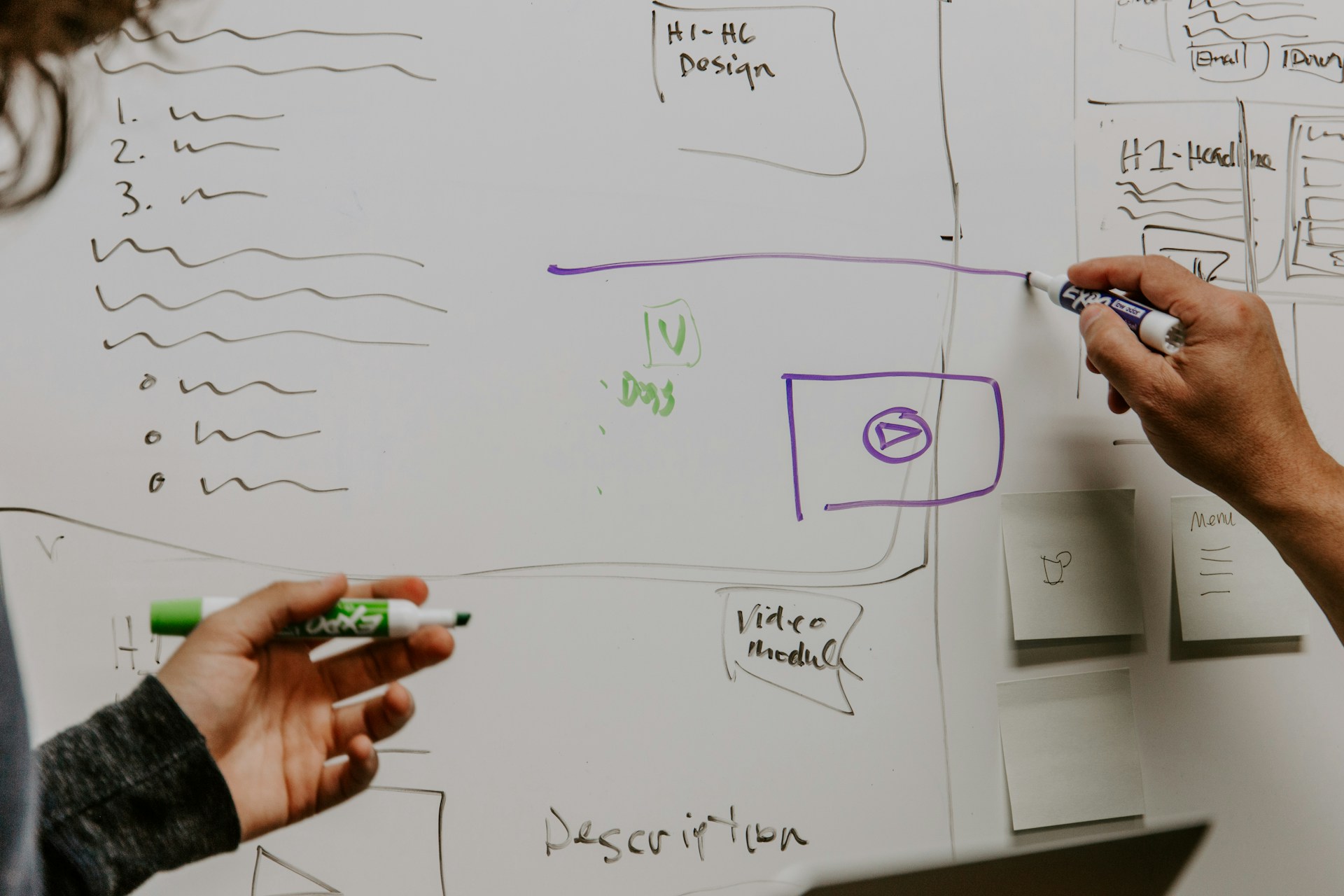
Before development begins, we shape the user experience properly. We design key screens, journeys and interactions so the product feels intuitive and focused. This helps align the team early and gives a clearer view of how the finished app will behave before build work starts.
- Mobile-first UX planning
- Wireframes and interface design
- Interactive prototypes
- Usability-led screen structure
- Revision and refinement rounds
App development and backend build
Once the product direction is agreed, we move into development. This can include frontend app development, backend systems, API integrations, authentication, user accounts, notifications, dashboards and any bespoke logic the product requires. Everything is built with performance, maintainability and future growth in mind.
- iOS and Android app development
- Backend and database architecture
- API integration and custom endpoints
- Authentication and account systems
- Admin and operational tooling
Testing, refinement and release preparation
We test the app carefully across real devices and usage scenarios, reviewing performance, stability, flows and functionality before release. This stage is about reducing friction, catching issues early and making sure the app is ready for public or internal deployment.
- Real-device testing
- Bug fixing and refinement
- Performance and stability checks
- App store readiness support
- Final QA and release planning
Launch, support and ongoing improvement
Launching version one is the start of the product lifecycle, not the end. We support rollout, monitoring and post-launch improvements, helping clients evolve the app based on usage, feedback and business priorities over time.
- Deployment and release support
- Post-launch monitoring
- Feature roadmap development
- Iterative improvements
- Ongoing technical support


Mobile apps need to work as products, not just projects
One of the biggest mistakes in app development is focusing too heavily on the idea without properly defining the product. Features get added without clear priority, user journeys become bloated, and the technical structure starts to work against the business rather than for it.
That is why we put real emphasis on planning, architecture and practical product thinking. We look at what users need to do, what the business needs to manage, how the data should move, and how the app will evolve after launch.
That leads to better apps. Simpler journeys, stronger functionality, cleaner delivery and a more stable platform to build on over time.

Clear user journeys
The best apps reduce friction and make common actions feel obvious, fast and intuitive.

Strong technical foundations
Good architecture, scalable logic and clean integration work are what allow an app to grow without becoming unstable.

Reliable real-world performance
Apps need to behave properly across devices, signal strength, usage patterns and operating conditions.

Commercial relevance
A mobile app should support measurable business goals, not exist as a standalone novelty.

Manageable backend systems
Most apps rely on more than the interface. Admin tools, APIs and operational systems matter just as much.

Room for iteration
Version one should be built sensibly, with clear scope and enough flexibility to improve over time.

Clear user journeys
The best apps reduce friction and make common actions feel obvious, fast and intuitive.

Strong technical foundations
Good architecture, scalable logic and clean integration work are what allow an app to grow without becoming unstable.

Reliable real-world performance
Apps need to behave properly across devices, signal strength, usage patterns and operating conditions.

Commercial relevance
A mobile app should support measurable business goals, not exist as a standalone novelty.

Manageable backend systems
Most apps rely on more than the interface. Admin tools, APIs and operational systems matter just as much.

Room for iteration
Version one should be built sensibly, with clear scope and enough flexibility to improve over time.

Clear user journeys
The best apps reduce friction and make common actions feel obvious, fast and intuitive.

Strong technical foundations
Good architecture, scalable logic and clean integration work are what allow an app to grow without becoming unstable.

Reliable real-world performance
Apps need to behave properly across devices, signal strength, usage patterns and operating conditions.

Commercial relevance
A mobile app should support measurable business goals, not exist as a standalone novelty.

Manageable backend systems
Most apps rely on more than the interface. Admin tools, APIs and operational systems matter just as much.

Room for iteration
Version one should be built sensibly, with clear scope and enough flexibility to improve over time.

Clear user journeys
The best apps reduce friction and make common actions feel obvious, fast and intuitive.

Strong technical foundations
Good architecture, scalable logic and clean integration work are what allow an app to grow without becoming unstable.

Reliable real-world performance
Apps need to behave properly across devices, signal strength, usage patterns and operating conditions.

Commercial relevance
A mobile app should support measurable business goals, not exist as a standalone novelty.

Manageable backend systems
Most apps rely on more than the interface. Admin tools, APIs and operational systems matter just as much.

Room for iteration
Version one should be built sensibly, with clear scope and enough flexibility to improve over time.
Clearer journeys and better interaction design make the product easier to adopt and use.
Apps built around real workflows are more useful for both customers and internal teams.
Robust architecture and sensible technical decisions make future development far easier.
From customer apps to internal platforms and connected products
Mobile app development covers a wide range of use cases. Some businesses need customer-facing apps for bookings, orders, account access or subscriptions. Others need internal apps to support logistics, auditing, workflow management, communication or field operations. Some require the app to connect with hardware, live systems or external services.
We build around the actual use case, choosing the right development approach based on the product requirements, operational context and long-term roadmap.
- Customer-facing mobile apps
- Internal operational applications
- Apps connected to APIs and external systems
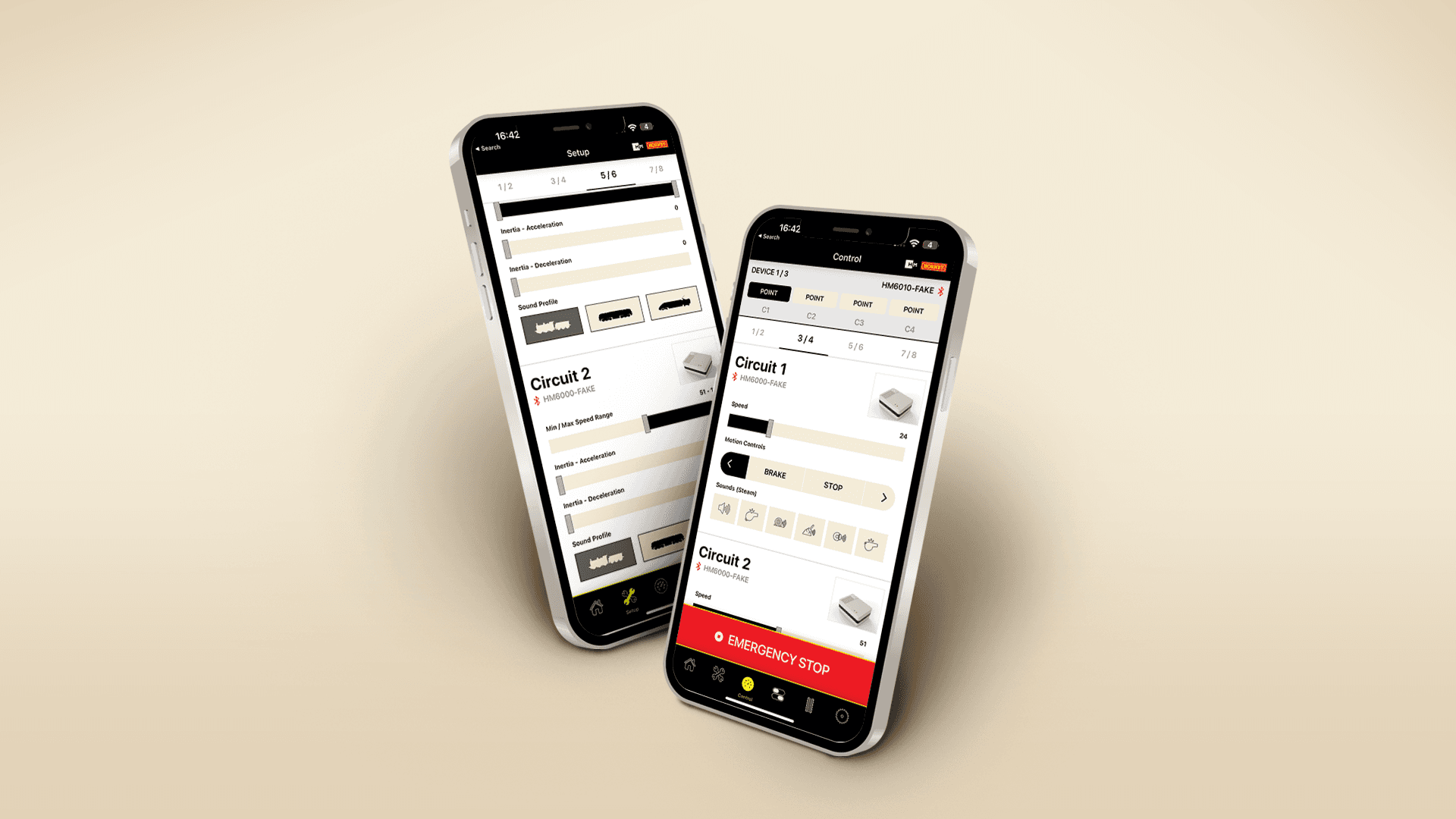
- Companion apps for hardware and smart products
- MVP builds with room to expand

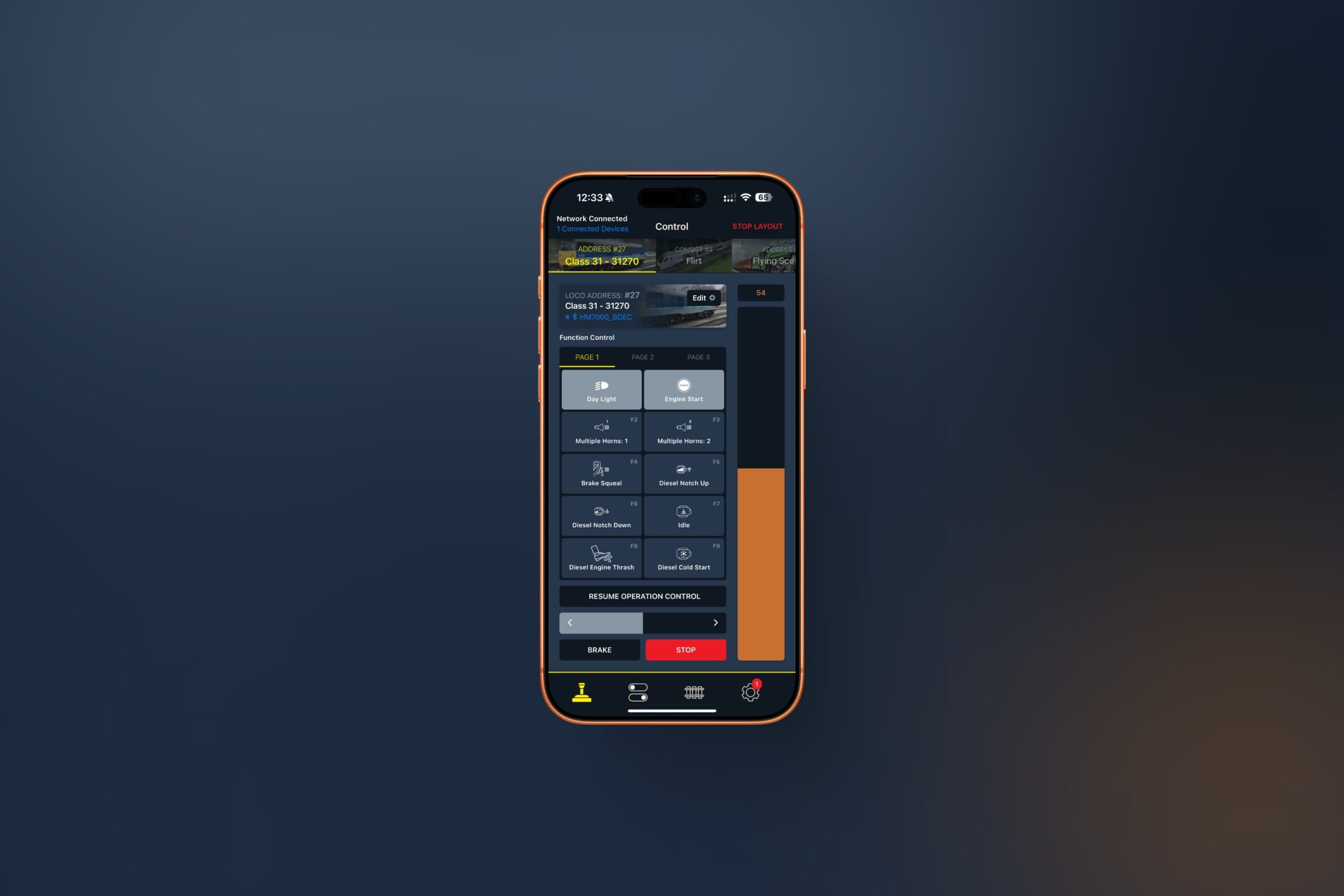
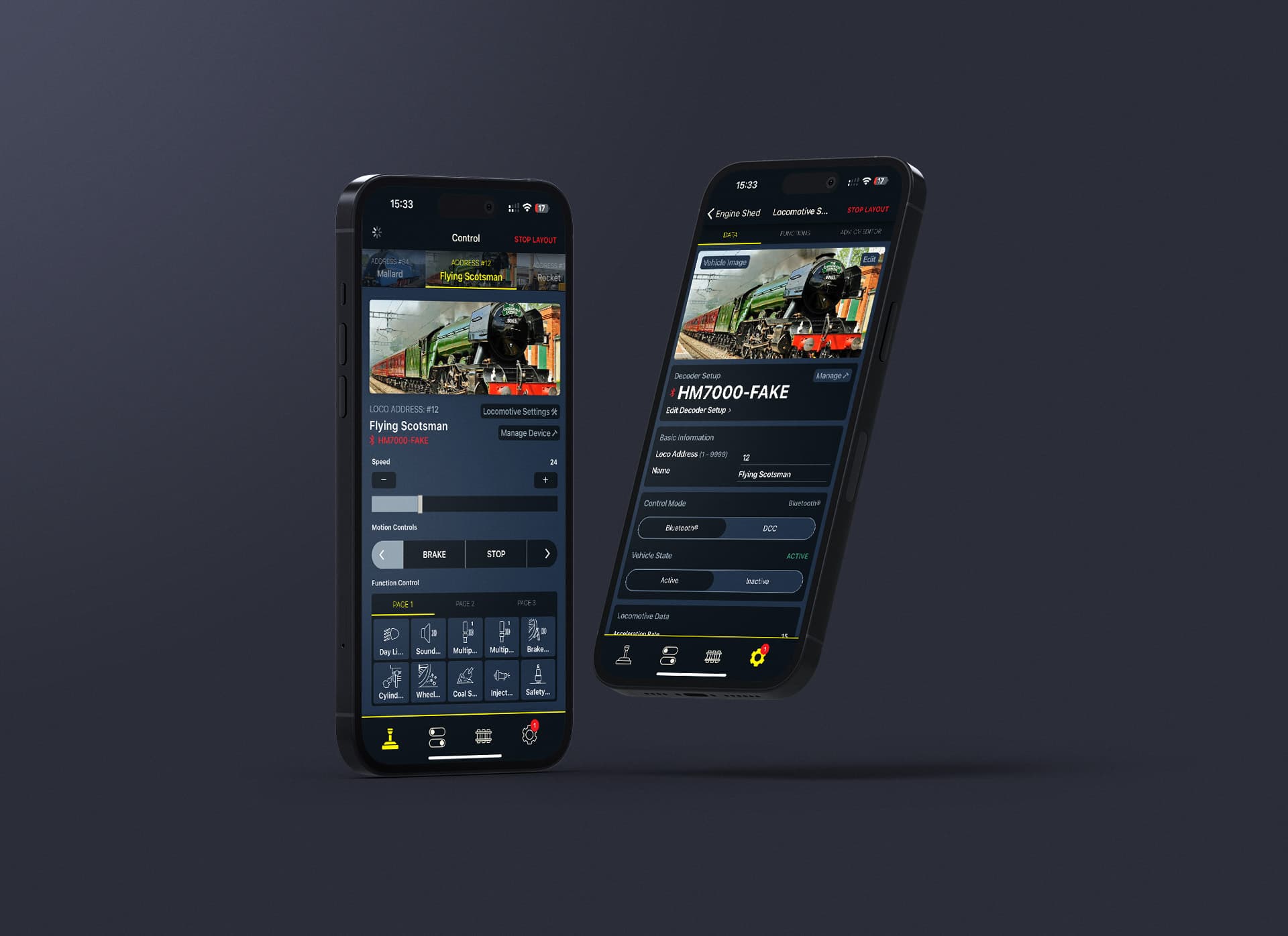
New & featured app development work
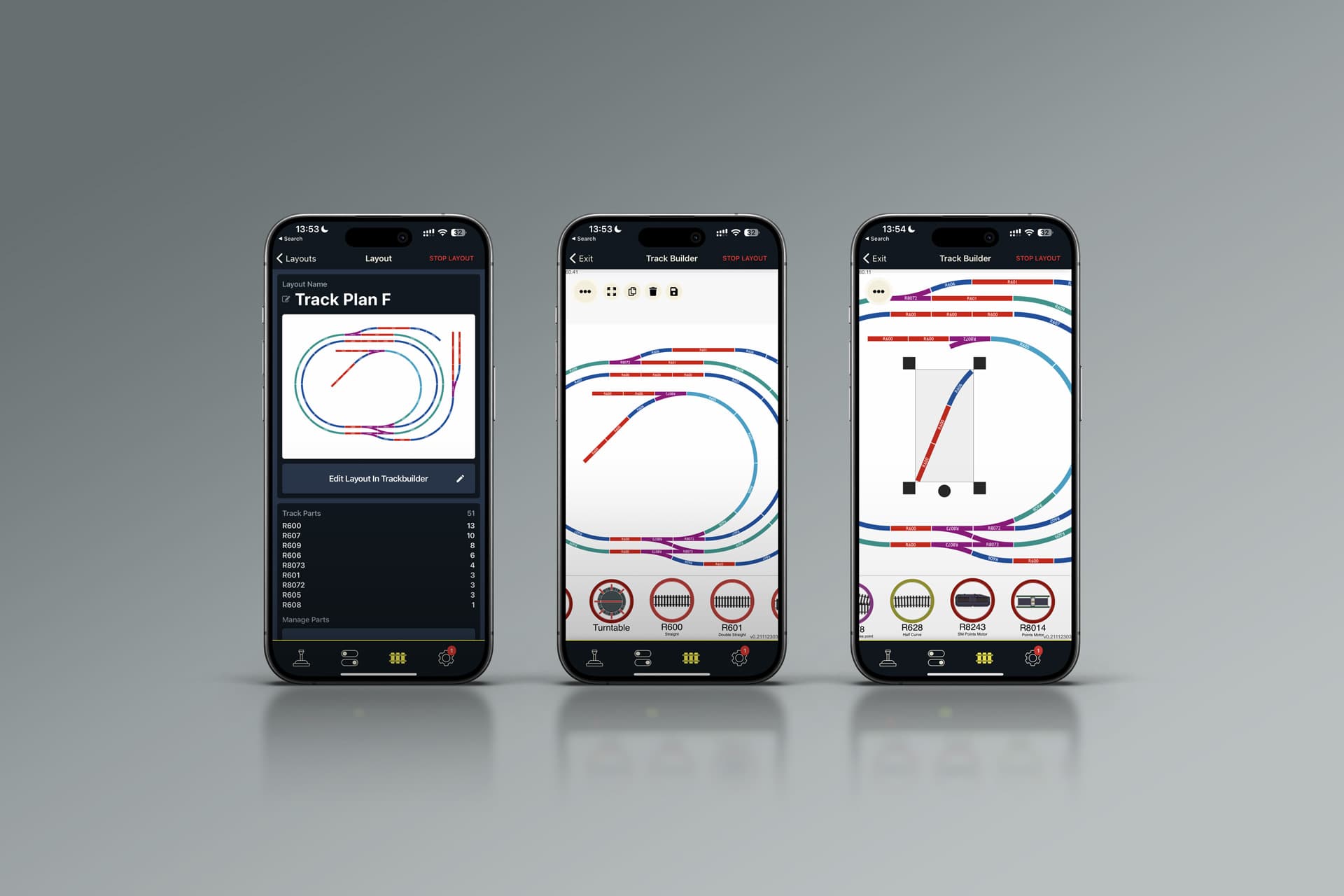
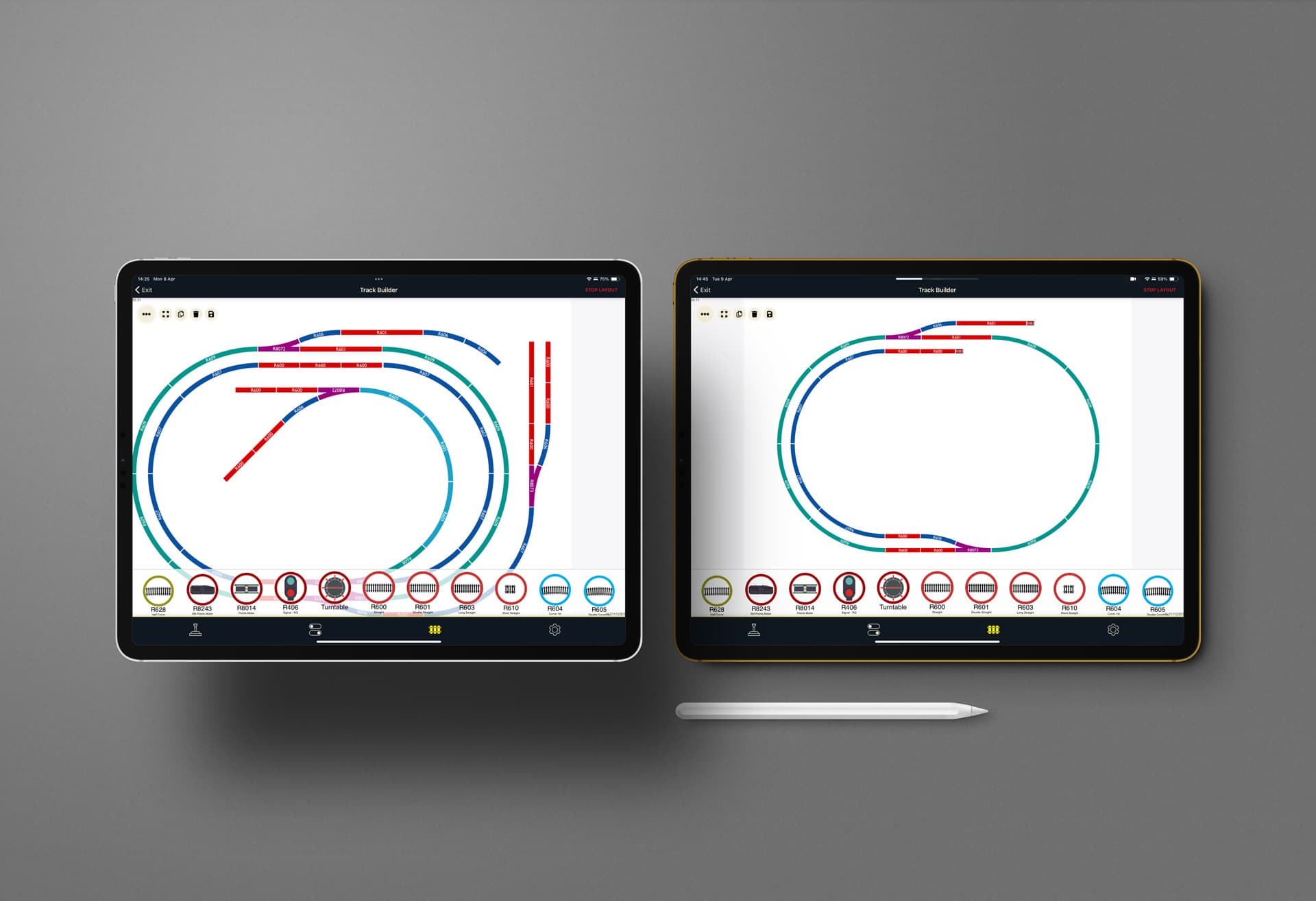
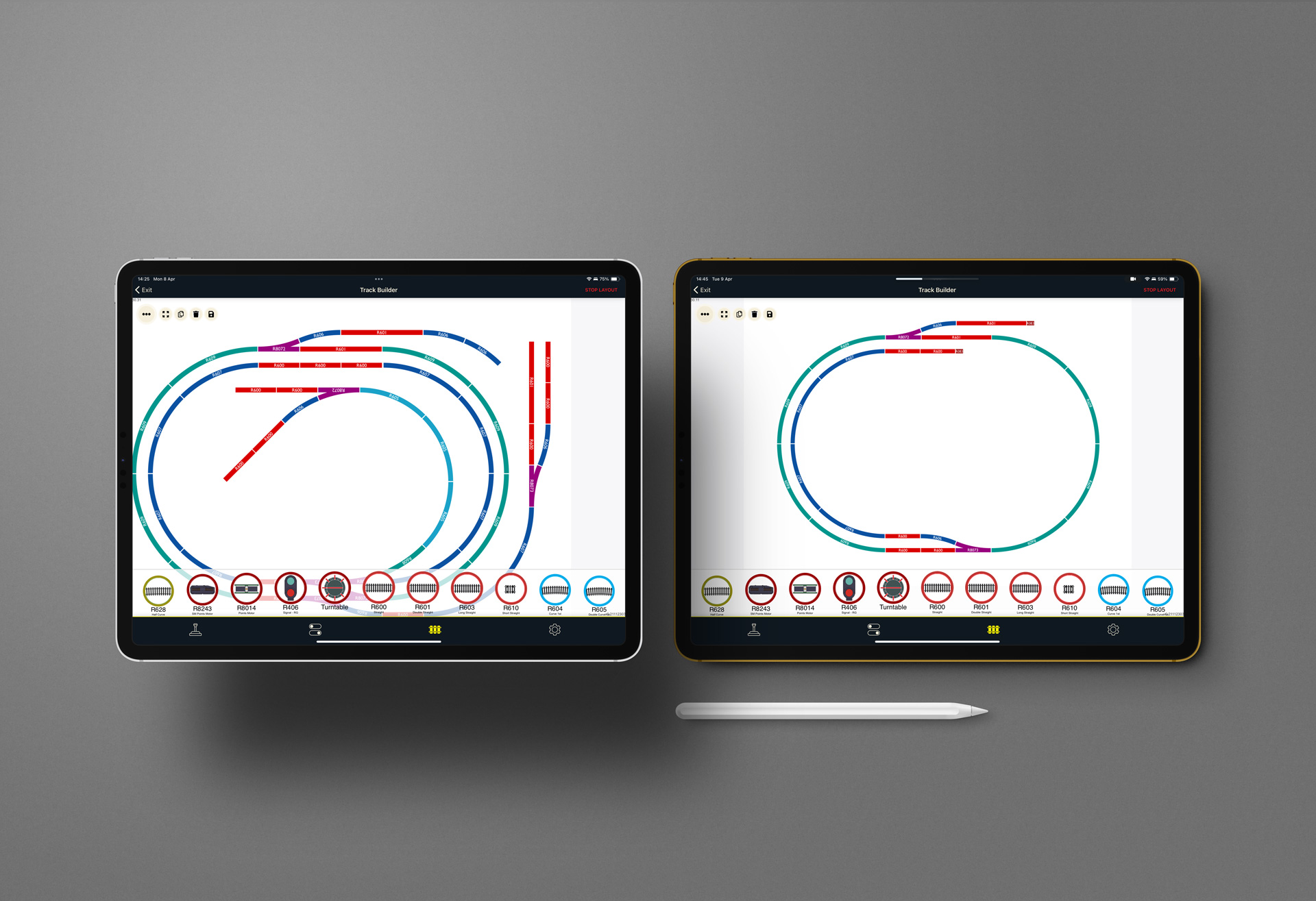
Selected projects that reflect our approach to mobile product thinking, technical delivery and scalable build quality.
Where mobile app projects usually need the most strategic thinking
The success of an app often depends on decisions made long before development starts.
Feature prioritisation
Not everything needs to be in version one. A tighter feature set usually leads to a better product and a more efficient launch.
User journey design
Apps perform better when the key tasks are obvious, fast and built around real user behaviour rather than assumptions.
Authentication and account logic
Access, permissions, identity and account flows need careful planning to avoid friction and security issues later.
Backend and data structure
A well-planned backend makes the app more stable, more manageable and far easier to improve over time.
Release and support planning
App launch involves more than shipping code. Testing, updates, monitoring and phased improvements all matter.
Built for businesses that need dependable mobile software
Many app projects fail because they are approached too loosely. The idea is there, but the scope is vague, the user journey is overcomplicated, or the technical delivery is not strong enough to support long-term use.
We work with businesses that need a more considered approach. That means clear discovery, realistic scoping, strong UX thinking and development decisions that reflect how the app will actually be used.
The result is a mobile product that feels sharper, performs better and gives the business a more credible foundation to grow from.
Mobile app development FAQs
Straight answers to common questions about our mobile app development service.
Mobile app development in Canterbury, Kent and across the UK
Bryter Digital is based in Canterbury, Kent, and works with businesses locally and across the UK on custom mobile app development projects. We help organisations turn ideas, workflows and service requirements into well-structured mobile products backed by reliable technical delivery.
From new product concepts to more complex operational apps, we build mobile software that is commercially grounded, technically robust and designed to evolve over time.