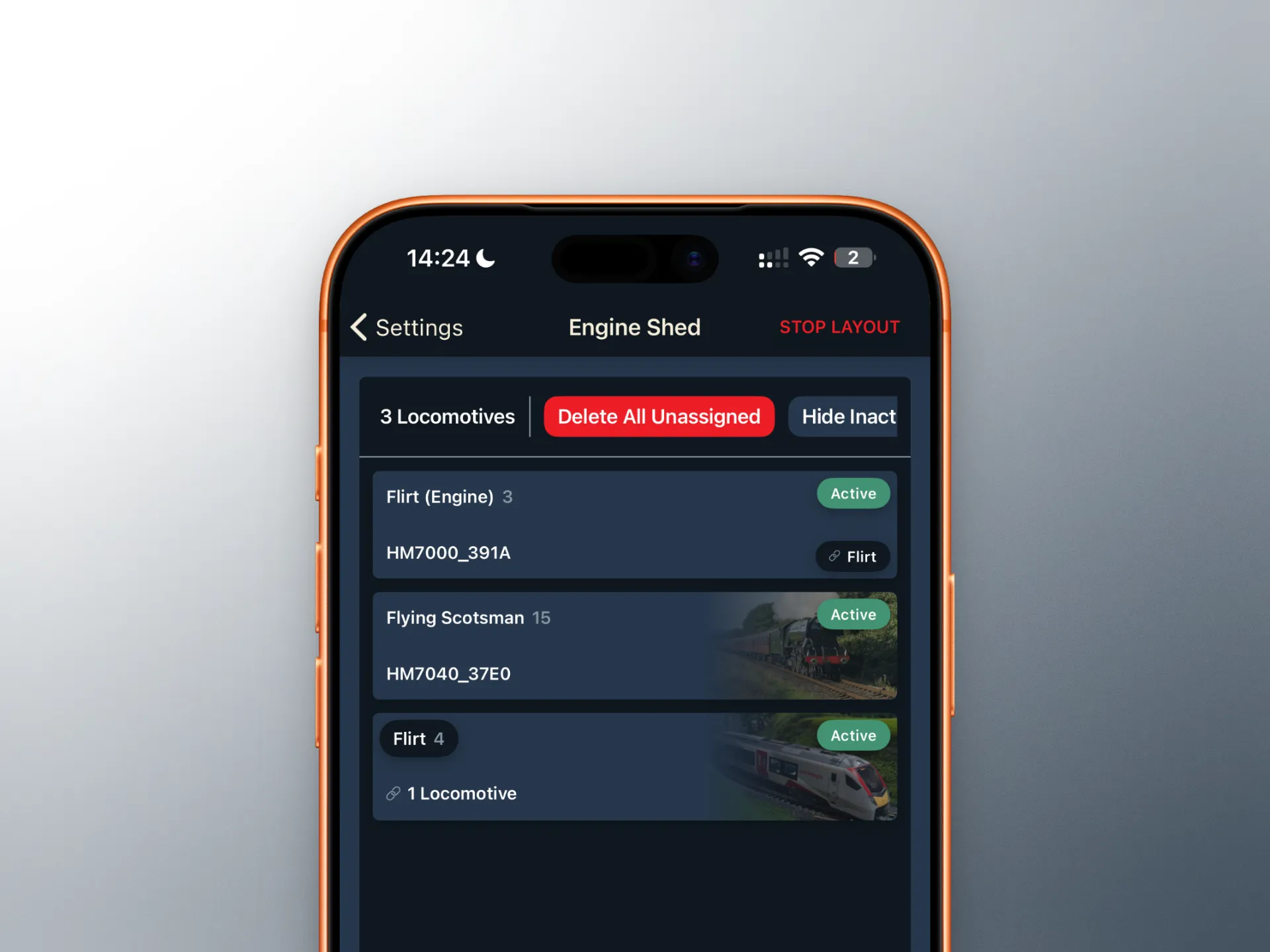
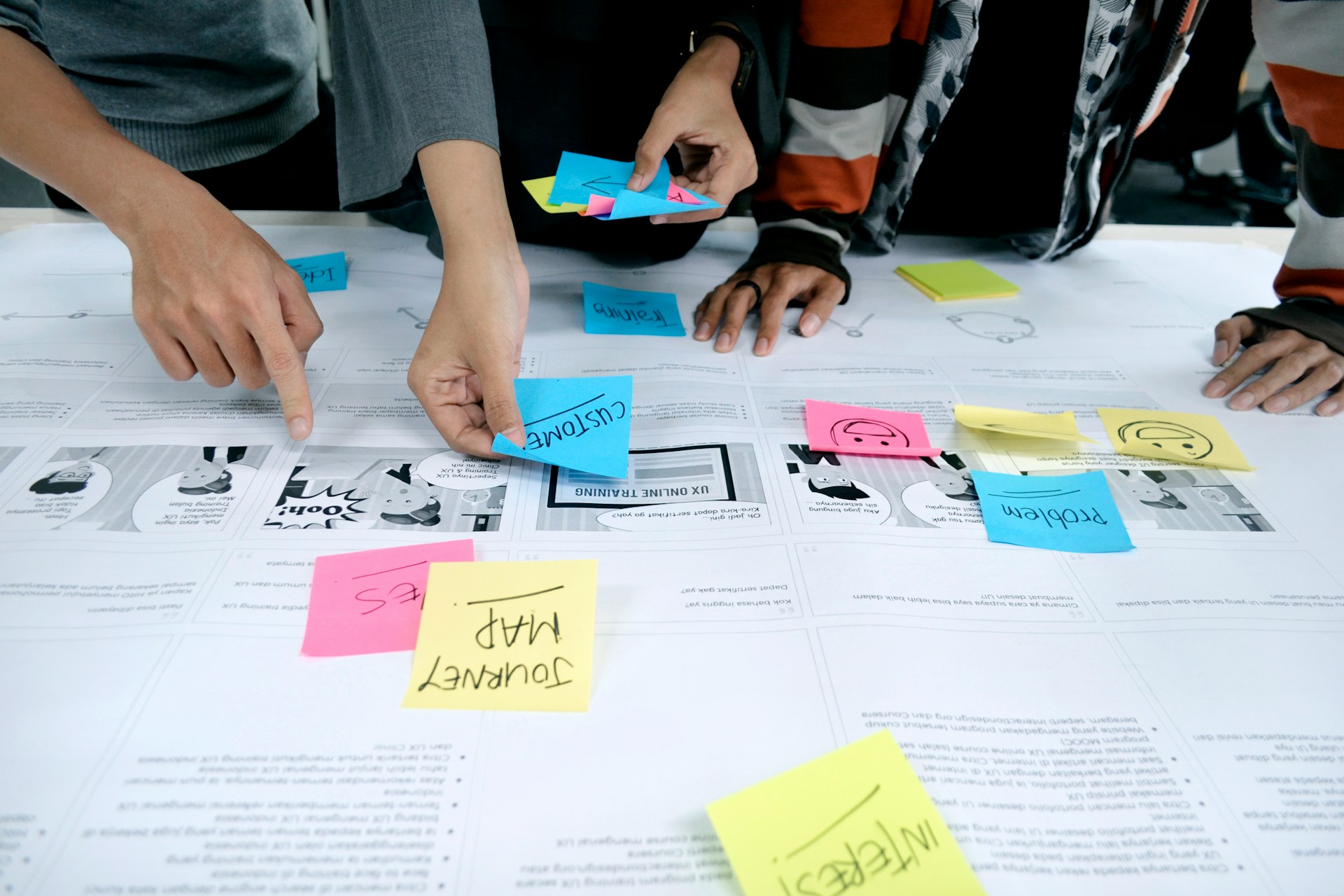
View our other services

Custom Software Development

Custom software that replaces spreadsheets and workarounds.

We build systems that streamline operations, centralise data, and reduce admin time. Designed around your process, engineered for stability, and built to evolve as the business grows.
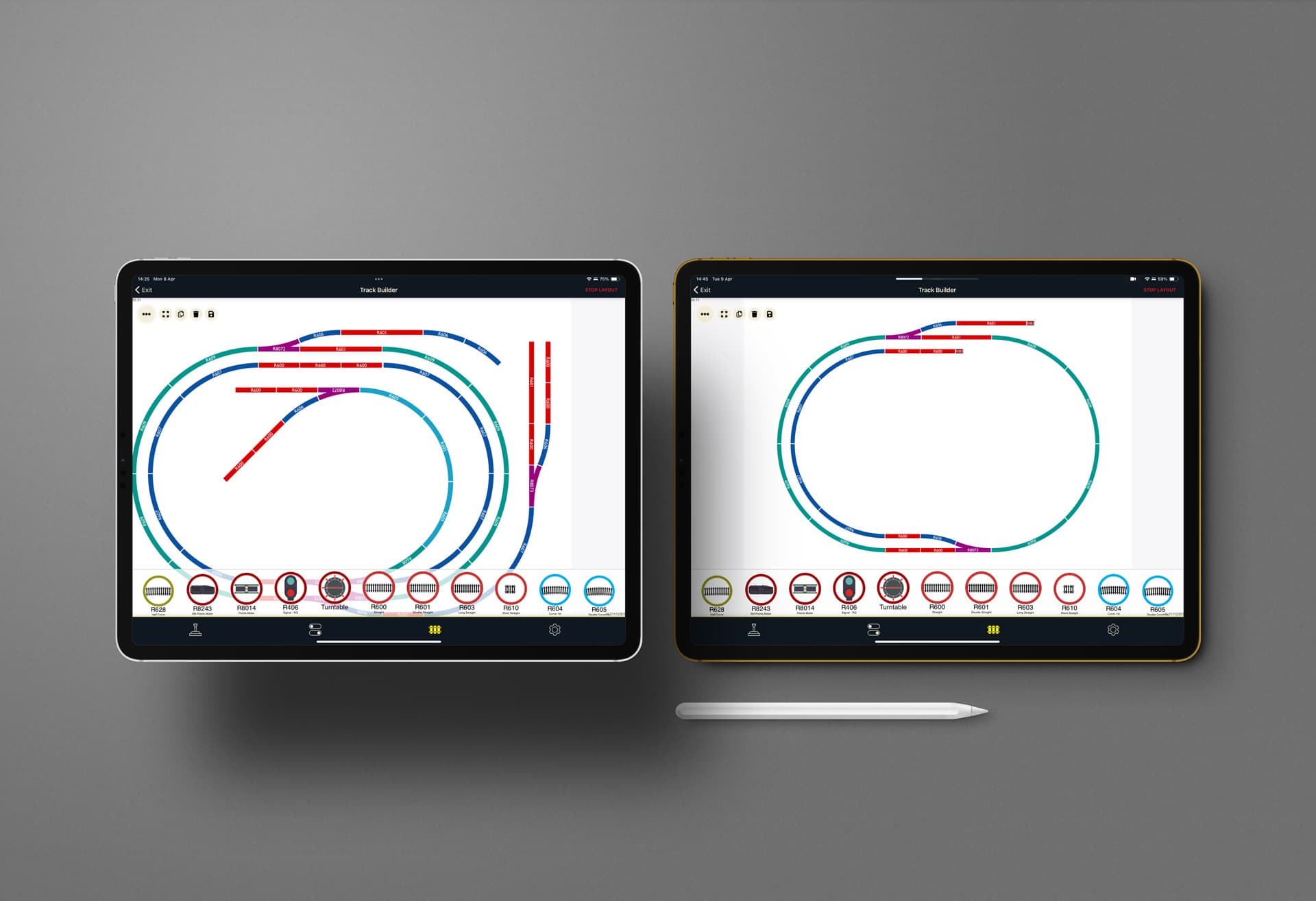
Project image

Custom software built around the way your business actually works

Off-the-shelf software can be useful up to a point. But when teams start relying on workarounds, duplicate data entry, disconnected systems or manual processes, those limitations become expensive.

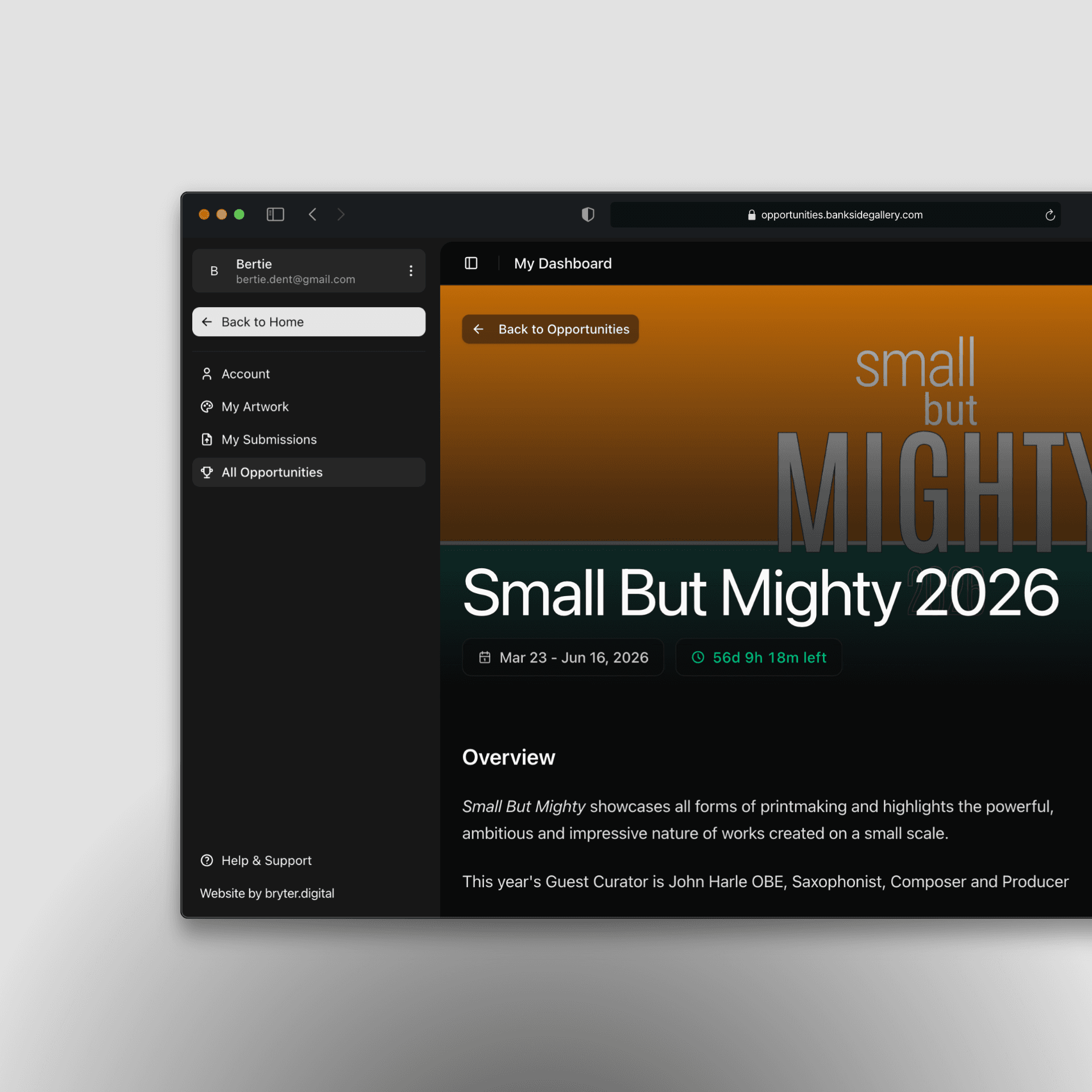
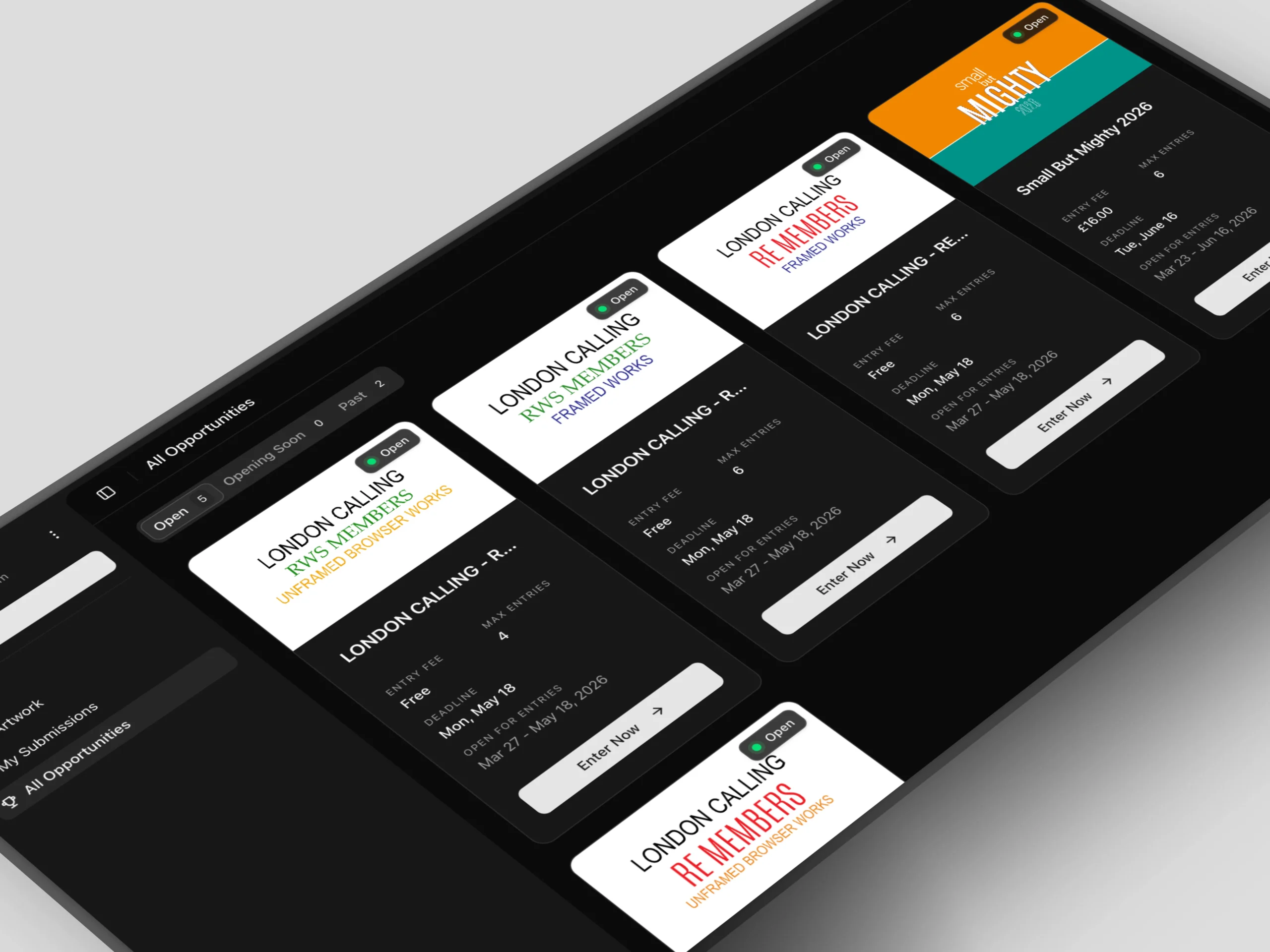
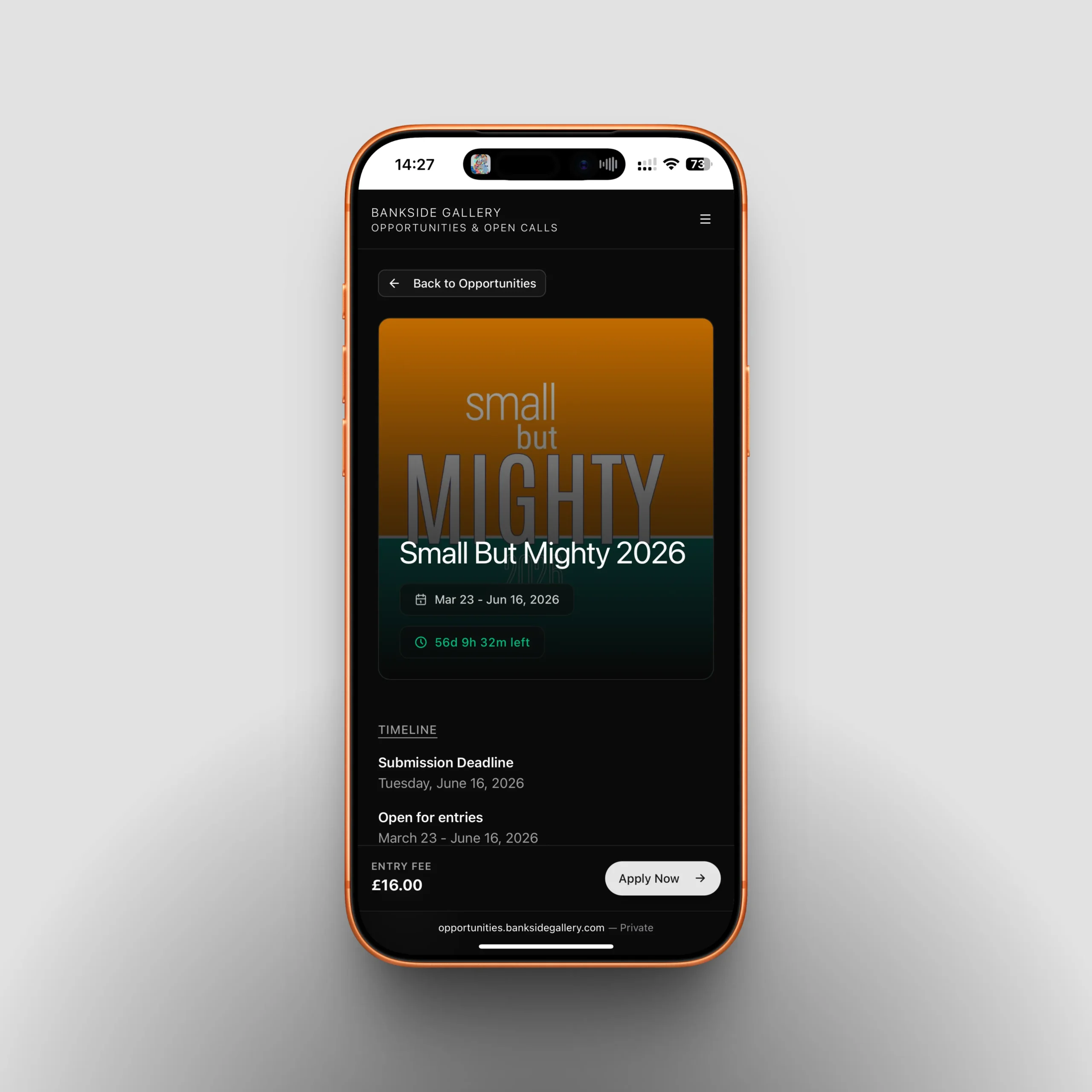
Our custom software development service is designed for businesses that need something more tailored. We design and build bespoke software platforms around the real structure of your organisation, helping streamline workflows, centralise information, automate repetitive tasks and create systems that fit the way your business operates.

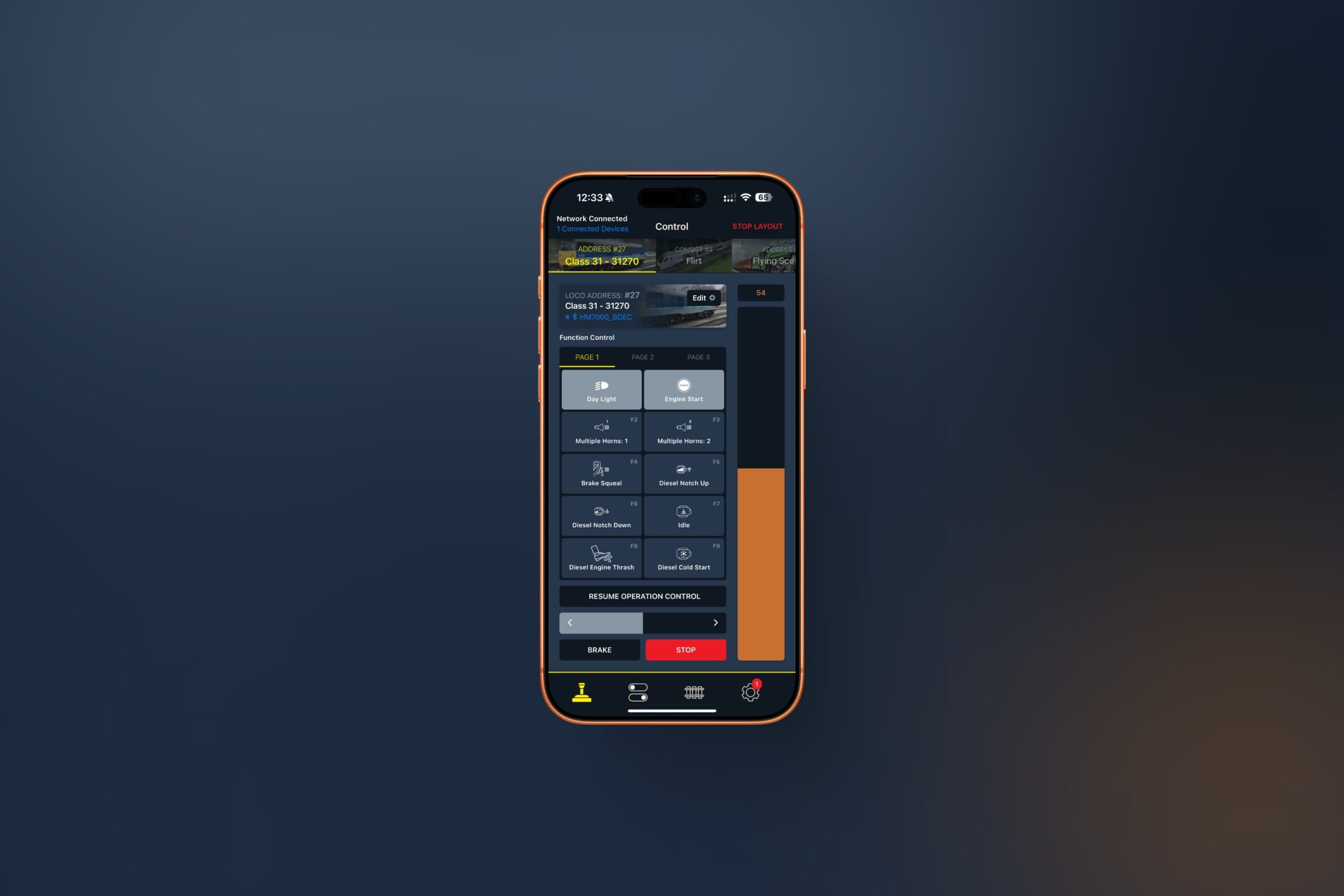
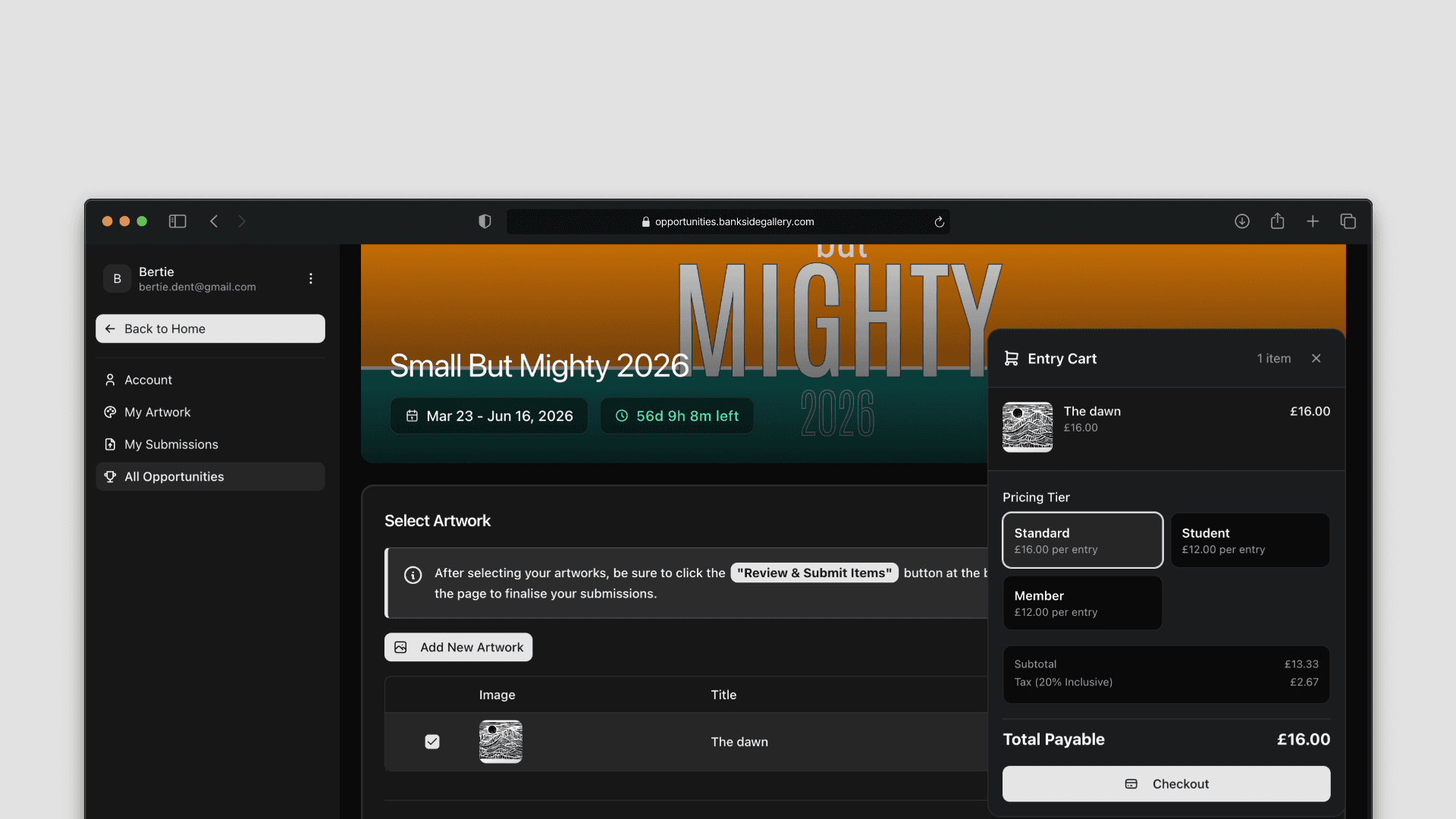
That might mean an internal management platform, a customer portal, a booking or workflow system, a business-critical admin tool, or a more complex multi-user platform with custom logic and integrations. Whatever the product, the goal is the same: software that is useful, reliable and built for the long term.

Operational efficiency

Well-designed software reduces manual work, removes unnecessary duplication and helps teams move faster.

Better visibility

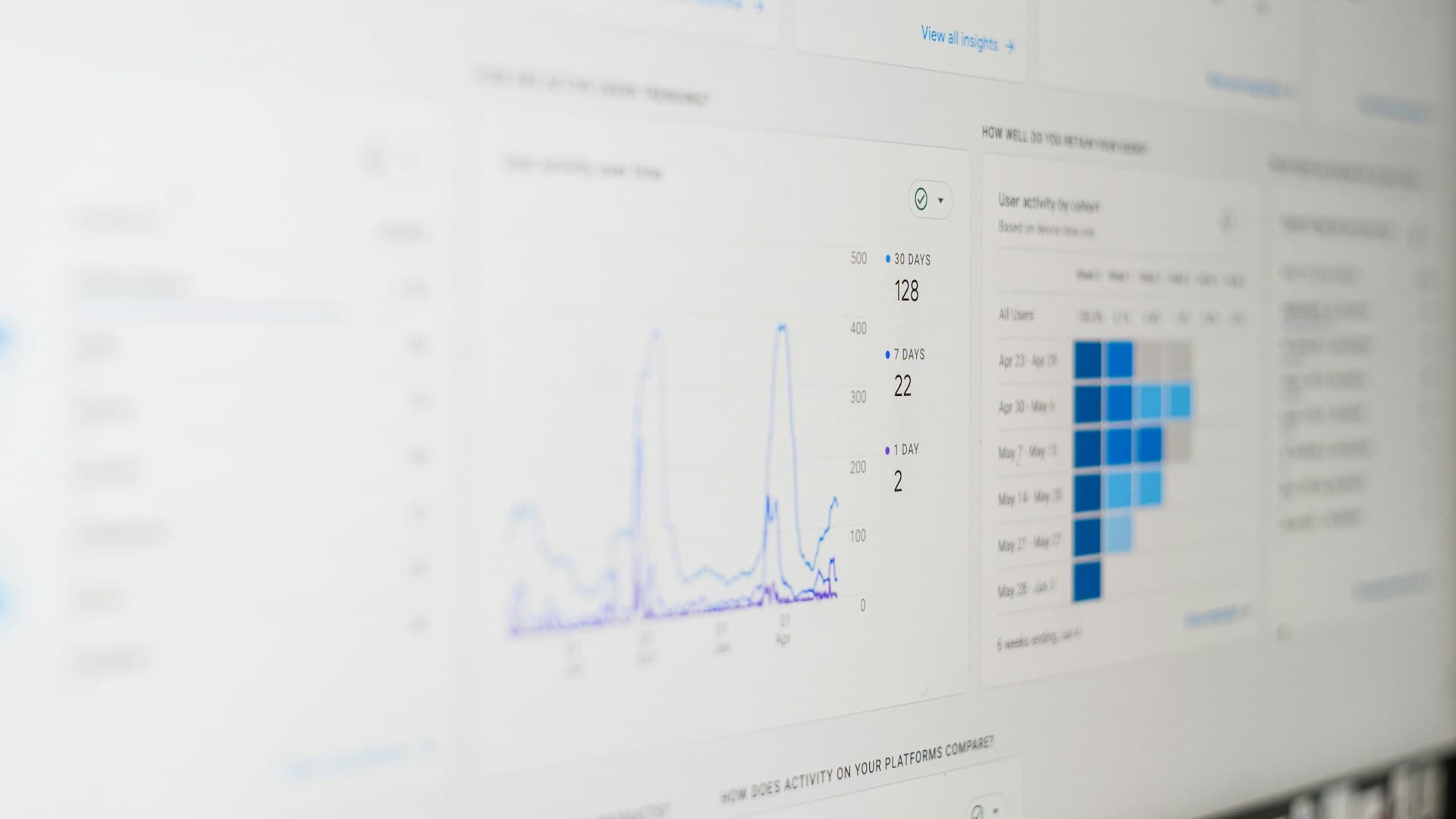
Centralised data and clearer workflows make it easier to understand what is happening across the business.

Stronger scalability

A tailored system gives you room to grow without forcing the business into tools that no longer fit.

What our custom software development service covers

We work with businesses that need software tailored to specific operational, commercial or technical requirements. Some projects involve replacing spreadsheets and disconnected tools with a central platform. Others involve building customer-facing portals, internal dashboards, team workflow systems, API-driven applications or software that supports highly specific business processes.

Our role is to understand the real requirements, define the right architecture, and develop software that is robust enough for everyday use and flexible enough to evolve over time.

  • Bespoke web-based software platforms
  • Workflow and process automation systems
  • Admin dashboards and operational tools
  • API integrations and connected systems
  • Scalable architecture for future development

Where custom software creates the most value

Bespoke software is usually most effective when the business has outgrown generic tools or needs tighter operational control.

Internal operations and workflow systems

Software designed around your team’s day-to-day processes can reduce friction, improve accountability and make work easier to manage.

Customer and client portals

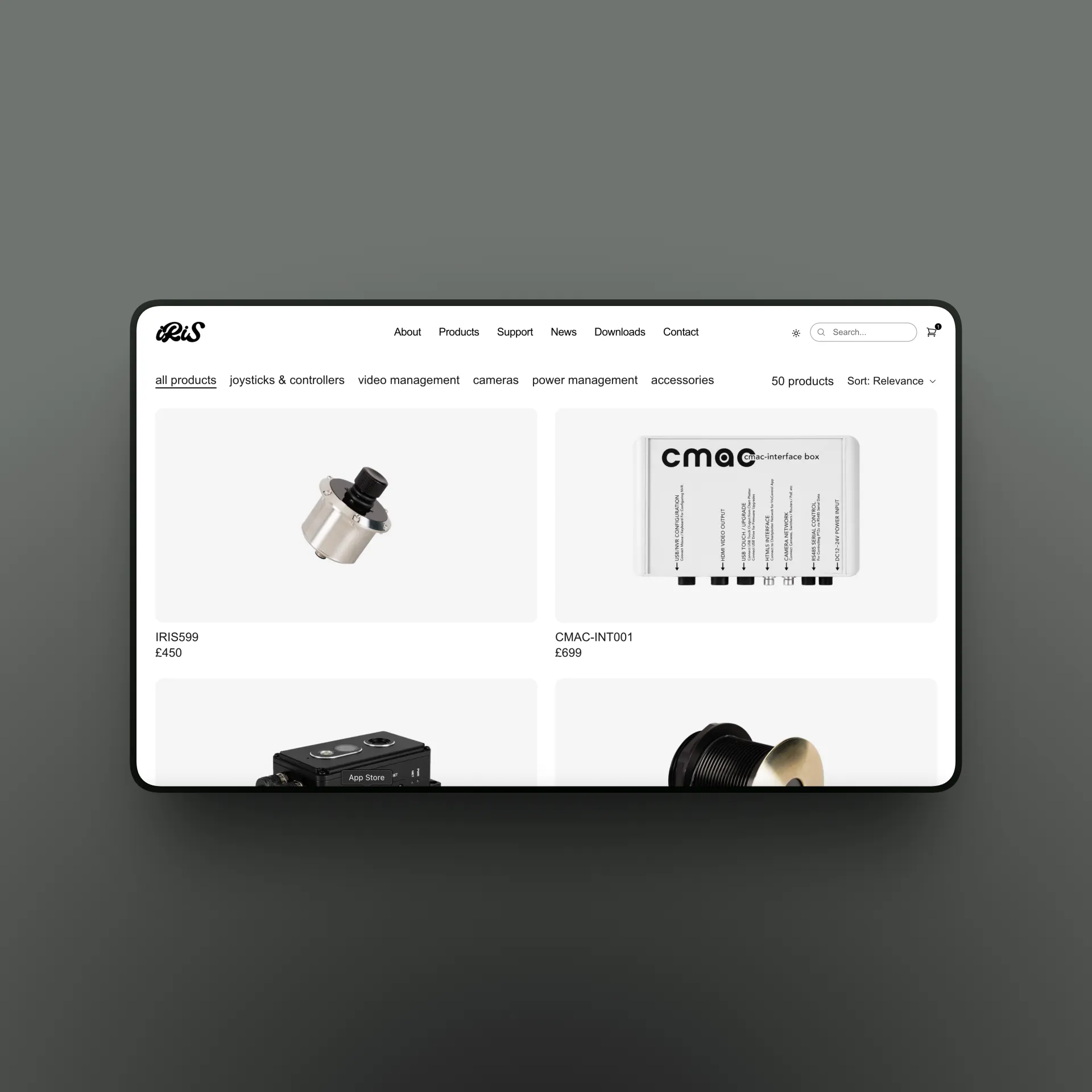
Secure portals give users direct access to information, actions, uploads, bookings or services without relying on manual handling.

Admin and reporting platforms

A strong backend system gives the business more control over data, tasks, users, approvals and operational visibility.

Connected business systems

Custom software can bridge gaps between existing platforms, helping data move properly between the tools you already use.

Specialist business logic

When your process does not fit standard software patterns, bespoke development allows the system to reflect your real requirements.

Software should reflect your business model, not force your business to adapt

One of the most common reasons businesses invest in custom software is that their existing tools no longer reflect how the organisation really works. Teams end up adjusting processes to fit software limitations, rather than using systems that support the operation properly.

That often leads to inefficiency. Data sits in multiple places. Admin becomes repetitive. Reporting is patchy. Users lose confidence in the system. Managers lack visibility. Growth becomes harder to support.

Bespoke software changes that by aligning the platform with the actual workflow. Permissions can reflect real team roles. Dashboards can surface the right information. Automations can reduce manual effort. Integrations can remove duplication. The result is a more coherent operational environment.

Workflow clarity

Workflow clarity

The system should simplify how work moves through the business, not add more layers of process and confusion.

Useful automation

Useful automation

Automation is most valuable when it removes repetitive admin and reduces the risk of manual error.

Reliable data structure

Reliable data structure

Software needs well-planned data models so reporting, permissions and integrations remain dependable as the platform grows.

Scalable permissions

Scalable permissions

Different users need different levels of access, visibility and control. That should be built in from the start.

Integration readiness

Integration readiness

Custom software often needs to connect with CRMs, finance tools, ecommerce systems, APIs or third-party services.

Long-term maintainability

Long-term maintainability

A good software platform should be easy to extend, improve and support without becoming fragile over time.

Workflow clarity

Workflow clarity

The system should simplify how work moves through the business, not add more layers of process and confusion.

Useful automation

Useful automation

Automation is most valuable when it removes repetitive admin and reduces the risk of manual error.

Reliable data structure

Reliable data structure

Software needs well-planned data models so reporting, permissions and integrations remain dependable as the platform grows.

Scalable permissions

Scalable permissions

Different users need different levels of access, visibility and control. That should be built in from the start.

Integration readiness

Integration readiness

Custom software often needs to connect with CRMs, finance tools, ecommerce systems, APIs or third-party services.

Long-term maintainability

Long-term maintainability

A good software platform should be easy to extend, improve and support without becoming fragile over time.

Workflow clarity

Workflow clarity

The system should simplify how work moves through the business, not add more layers of process and confusion.

Useful automation

Useful automation

Automation is most valuable when it removes repetitive admin and reduces the risk of manual error.

Reliable data structure

Reliable data structure

Software needs well-planned data models so reporting, permissions and integrations remain dependable as the platform grows.

Scalable permissions

Scalable permissions

Different users need different levels of access, visibility and control. That should be built in from the start.

Integration readiness

Integration readiness

Custom software often needs to connect with CRMs, finance tools, ecommerce systems, APIs or third-party services.

Long-term maintainability

Long-term maintainability

A good software platform should be easy to extend, improve and support without becoming fragile over time.

Workflow clarity

Workflow clarity

The system should simplify how work moves through the business, not add more layers of process and confusion.

Useful automation

Useful automation

Automation is most valuable when it removes repetitive admin and reduces the risk of manual error.

Reliable data structure

Reliable data structure

Software needs well-planned data models so reporting, permissions and integrations remain dependable as the platform grows.

Scalable permissions

Scalable permissions

Different users need different levels of access, visibility and control. That should be built in from the start.

Integration readiness

Integration readiness

Custom software often needs to connect with CRMs, finance tools, ecommerce systems, APIs or third-party services.

Long-term maintainability

Long-term maintainability

A good software platform should be easy to extend, improve and support without becoming fragile over time.

Your custom software development journey with Bryter

A structured process built to reduce ambiguity, define scope properly and deliver software that holds up in real use.

Discovery, requirements and process mapping

We begin by understanding how the business currently works, where the friction points are, and what the software needs to solve. That often includes stakeholder workshops, workflow mapping, pain point analysis and a review of current systems, manual processes and dependencies.

  • Stakeholder discovery sessions
  • Workflow and process mapping
  • Pain point identification
  • Current system review
  • Requirement gathering and prioritisation

Scope definition and technical planning

Once the operational picture is clearer, we define the product more precisely. This includes feature scope, user roles, data structure, integration requirements, admin requirements and technical architecture. The aim is to remove uncertainty before development begins.

  • Feature and module planning
  • User roles and permissions mapping
  • Data and logic architecture
  • Integration strategy
  • MVP and phased roadmap definition

UX design, interface planning and system structure

Even internal software needs clear UX. We design interfaces, dashboards and workflows that make the platform easier to understand and use. Good software design reduces training requirements, improves consistency and makes daily usage more efficient.

  • Dashboard and interface planning
  • Wireframes and journey mapping
  • Usability-led system structure
  • Navigation and interaction design
  • Review and refinement

Software development and integration delivery

We then move into development, building the application, backend logic, admin controls, APIs and integrations required to make the system function properly. Everything is built with stability, maintainability and future development in mind.

  • Frontend and backend development
  • Database and logic implementation
  • Third-party integrations
  • Admin tools and controls
  • Iterative testing during build

Testing, launch and ongoing evolution

Before launch, we test the software across its key workflows and user scenarios. Once deployed, we support rollout, fixes, improvements and future feature development so the system can continue evolving with the business.

  • System QA and workflow testing
  • Role and permission checks
  • Deployment and launch support
  • Post-launch support
  • Ongoing feature development

Built for businesses that have outgrown spreadsheets, patches and platform workarounds

Many custom software projects begin at the same point: the business is functioning, but not efficiently. Different teams are using different tools, data is fragmented, reporting is inconsistent and key workflows rely too heavily on manual effort.

That is where bespoke software becomes valuable. Instead of forcing operations into disconnected systems, we create a platform designed around the process itself. That can mean better visibility, cleaner handoffs, faster execution and a stronger operational foundation overall.

  • Replace manual admin with structured workflows
  • Reduce duplication across teams and systems
  • Improve visibility and reporting
  • Create software tailored to your process
  • Build a stronger operational backbone

Custom software is often the difference between coping and operating properly

Many businesses are able to cope with disconnected systems for years. A spreadsheet here, a form tool there, manual updates between platforms, internal knowledge sitting with one person or team. It works, until it starts holding the business back.

When the cost of friction rises, better software becomes a strategic investment rather than a technical nice-to-have. A bespoke system can bring structure to the business, reduce avoidable admin, improve reliability and create more confidence in the way work is managed.

That is the kind of software we aim to build. Not complexity for its own sake, but practical platforms that create genuine operational value.

Engineered with dependable development technologies

Custom software development FAQs

Straight answers to common questions about bespoke software development.

Signs your business may need bespoke software

Custom software is usually most valuable when operational friction starts affecting service, efficiency or growth.

Your team relies on spreadsheets for critical workflows

If business-critical operations depend on spreadsheets, there is often a strong case for a more structured system.

Your current tools do not integrate properly

Disconnected systems often create duplicate work, fragmented data and weak visibility across the organisation.

Manual admin is consuming too much time

Repetitive tasks, status chasing and avoidable updates are all areas where bespoke software can create value.

Reporting is inconsistent or unreliable

Without a centralised system, management reporting often becomes slower, less accurate and harder to trust.

Growth is making the cracks more visible

What once felt manageable can quickly become inefficient once volume, team size or operational complexity increases.

Not sure whether your business needs custom software?

Book a free strategy call and we will help you assess your current workflow, system gaps and requirements to see whether bespoke software is the right next step.

Custom software development in Canterbury, Kent and across the UK

Bryter Digital is based in Canterbury, Kent, and works with businesses locally and across the UK on bespoke software development projects. We help organisations design and build tailored systems that improve workflows, centralise operations and create stronger digital infrastructure for growth.

From internal admin platforms to more complex multi-user systems, we develop software that is commercially useful, technically robust and shaped around how the business actually runs.
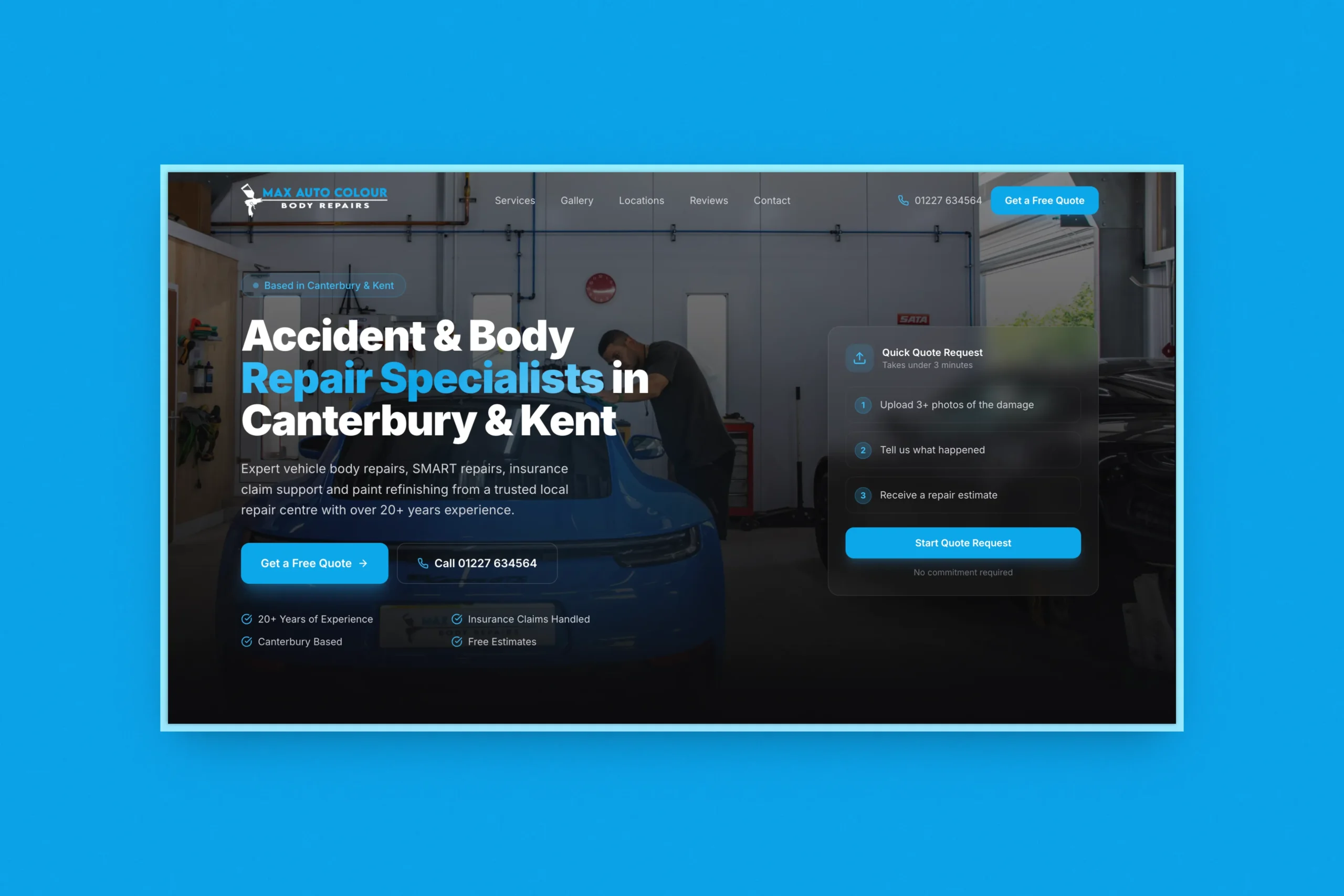

Build software around the way your business works.Build software around the way your business works.Build software around the way your business works.Build software around the way your business works.

Keepuptodatewiththelatestnews,updates,andprojectstoriesfrominsideBryter.