Revolutionising the control and operation of model railways.

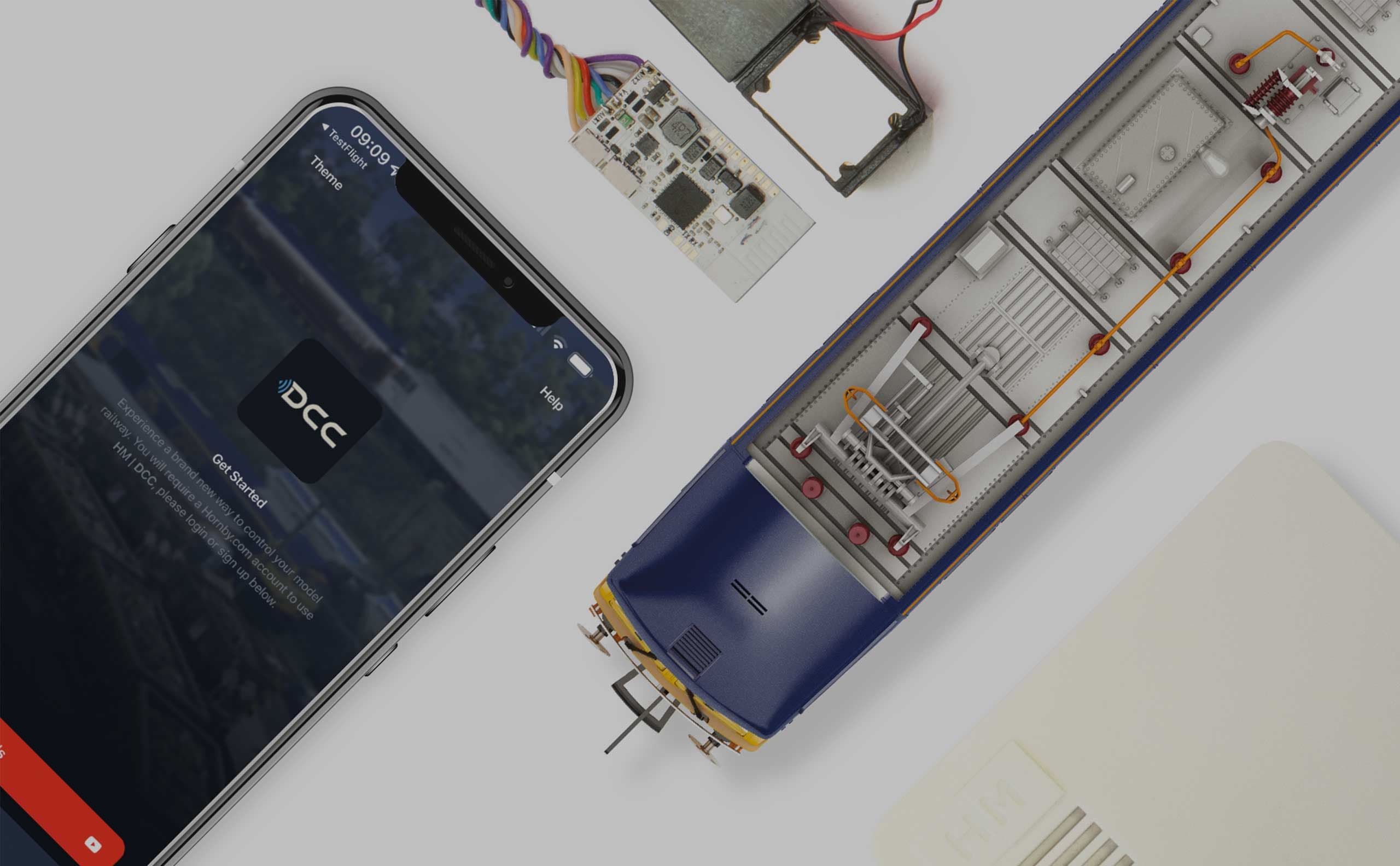
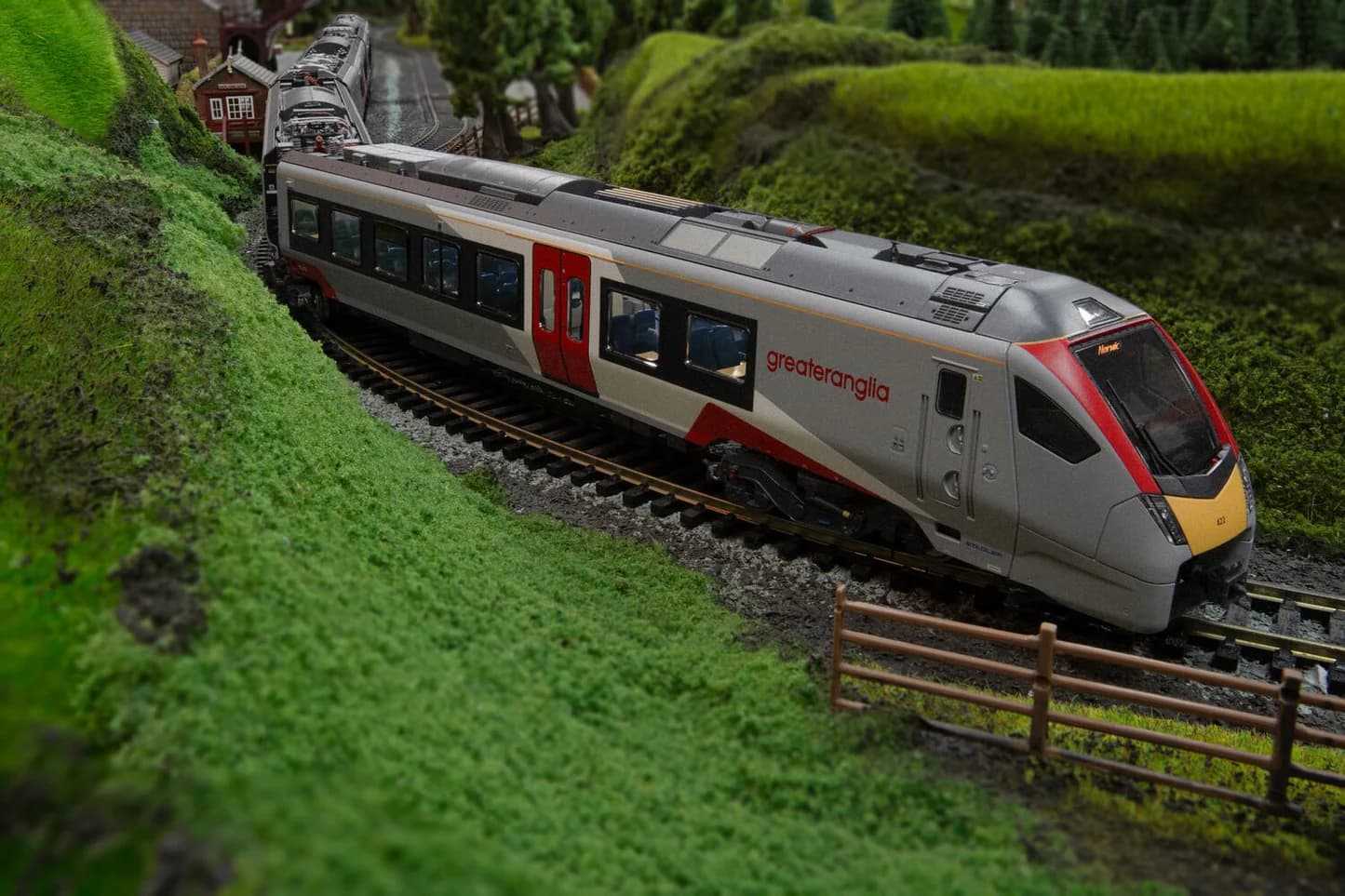
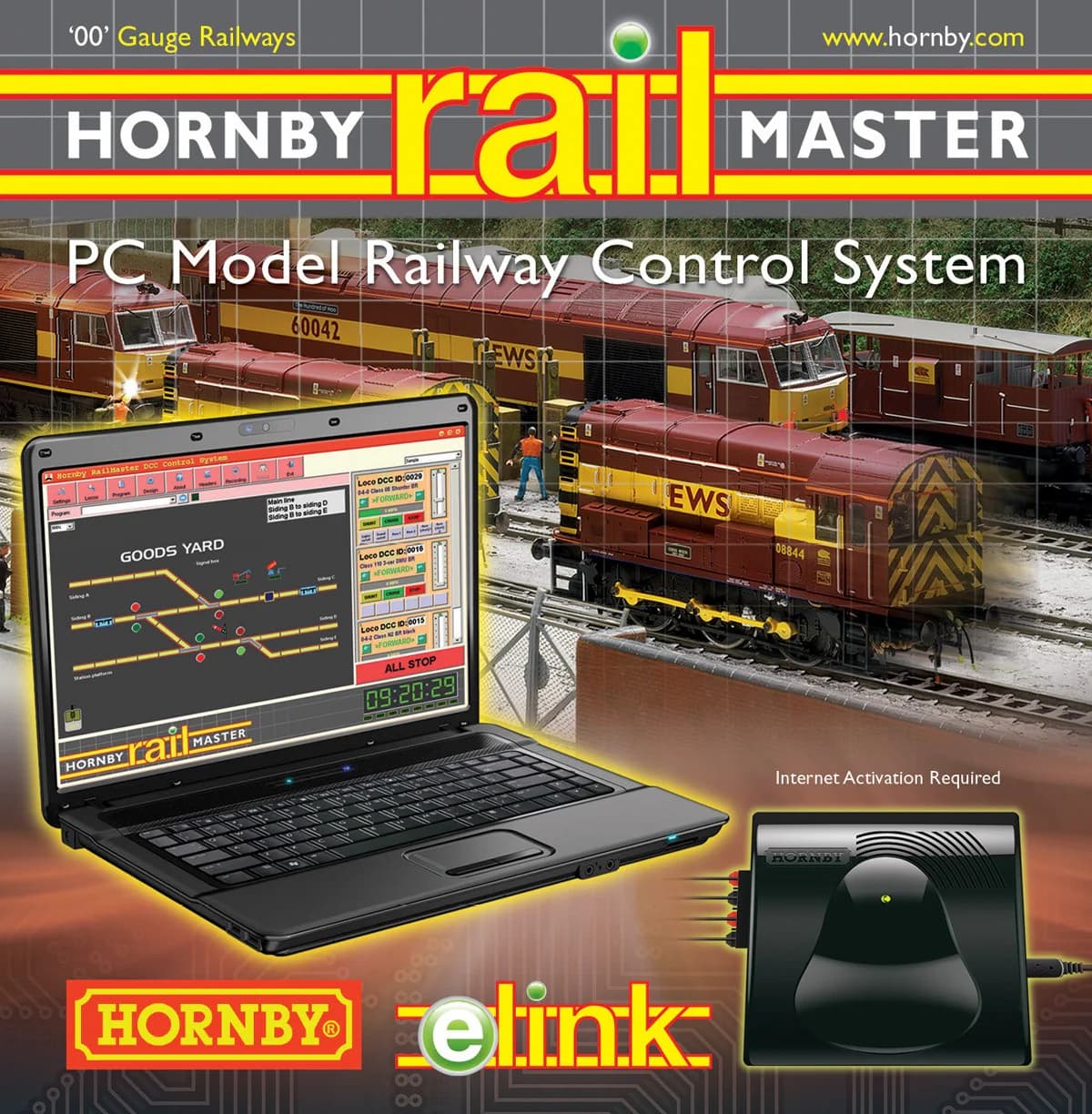
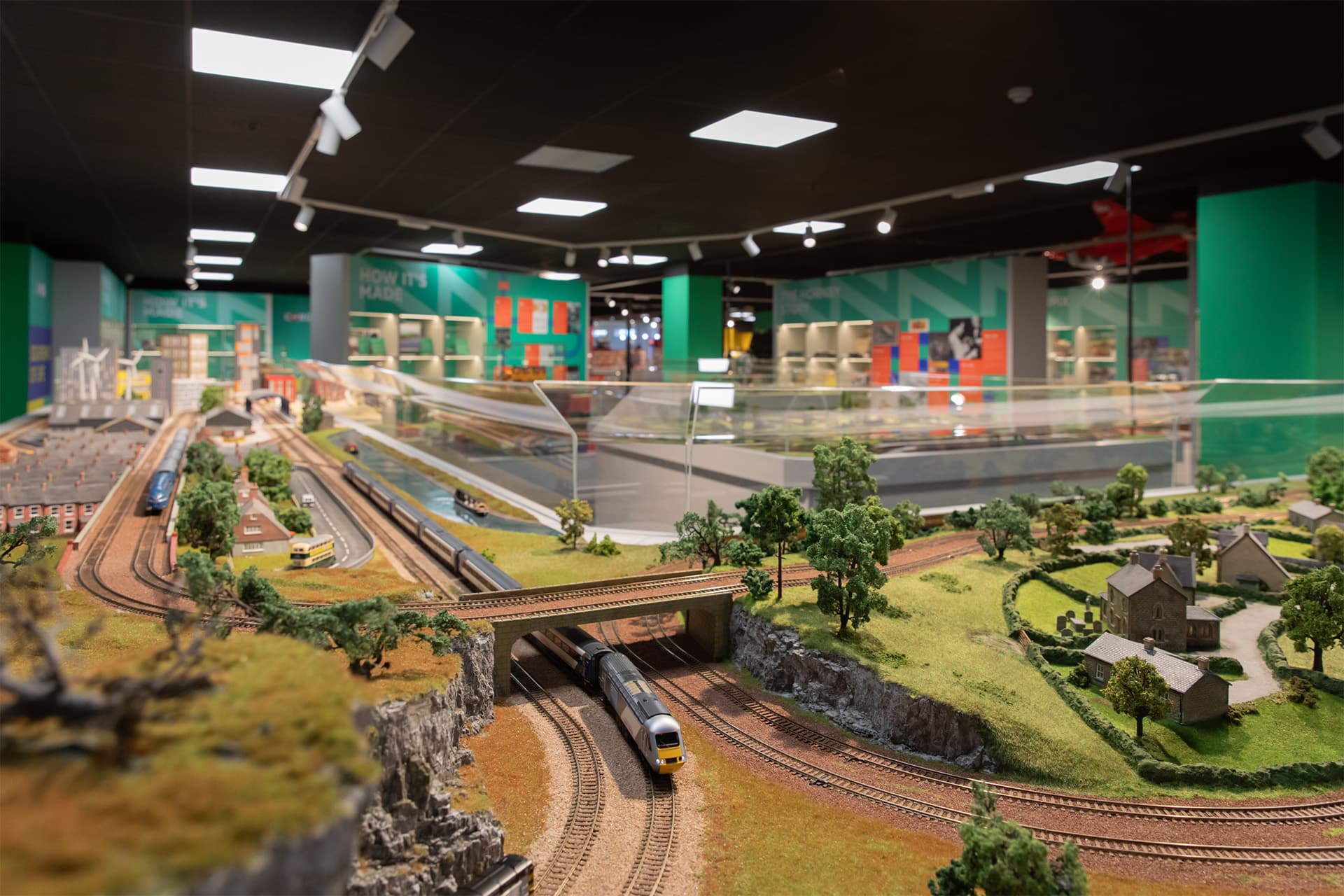
Hornby Hobbies is one of Britain’s most established heritage toy manufacturers, with a global presence in the model railway industry. While Digital Command Control transformed how locomotives could be operated, much of the software experience remained complex, desktop-bound and rooted in legacy tooling.
Hornby set out to modernise DCC for a mobile-first world. The goal was to replace track-based programming with intuitive over-the-air control, powered by BLE Mesh technology and supported by a scalable digital ecosystem. HM | DCC for the HM7000 and HM7040 decoder range became the foundation of that shift.
Bryter Digital partnered from concept stage, shaping the product architecture, mobile application and backend platform that now underpin Hornby’s connected decoder system.
Client
Hornby Hobbies
Project
HM | DCC: iOS & Android App
Industry
Consumer Electronics / IoT
Location
Global
The challenge
Traditional DCC programming relies heavily on Configuration Variables, numeric tables and manual reference to decoder documentation. Reading and writing CVs typically requires track-based programming cycles that are slow and often intimidating for newcomers entering the hobby.
Hornby needed to remove these barriers without compromising technical depth. The solution had to deliver instant over-the-air read and write functionality, support advanced sound profile flashing, and operate across both iOS and Android with full parity. Compatibility with older hardware and older mobile devices was a strict requirement, as the existing customer base could not be excluded.
At the same time, the platform needed to support long-term growth, including new sound packs, firmware updates and future feature expansion.
This was not an incremental upgrade to legacy software. It was a rethinking of how Digital Command Control should function in a modern, connected environment.
Architecture & platform design
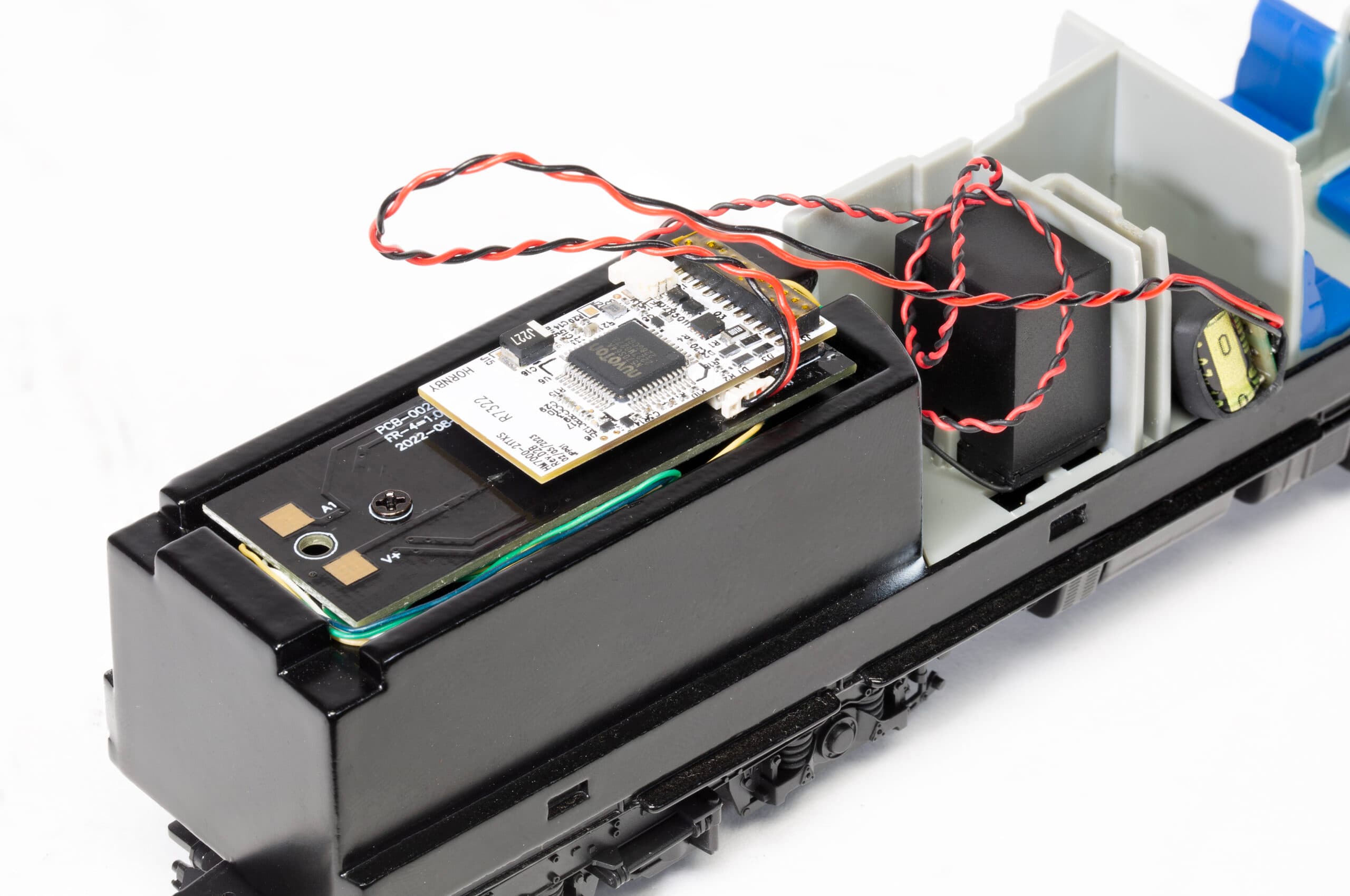
The HM | DCC application is built using React Native to ensure a unified codebase across iOS and Android while maintaining performance and stability. However, BLE Mesh communication required bespoke native modules to handle provisioning, node management, device discovery and network synchronisation at a low level.
The application communicates with the HM7000 and HM7040 decoders via a secure BLE Mesh architecture, allowing locomotives to be configured and controlled without physical programming tracks or external hardware.
Behind the mobile layer sits HM Portal, a custom content and microservice system that powers application configuration, decoder metadata, sound pack distribution and operational control. This ensures Hornby retains full control over feature releases, content updates and ecosystem management.
The result is a structured IoT platform rather than a standalone mobile app.
Simplifying DCC without reducing capability
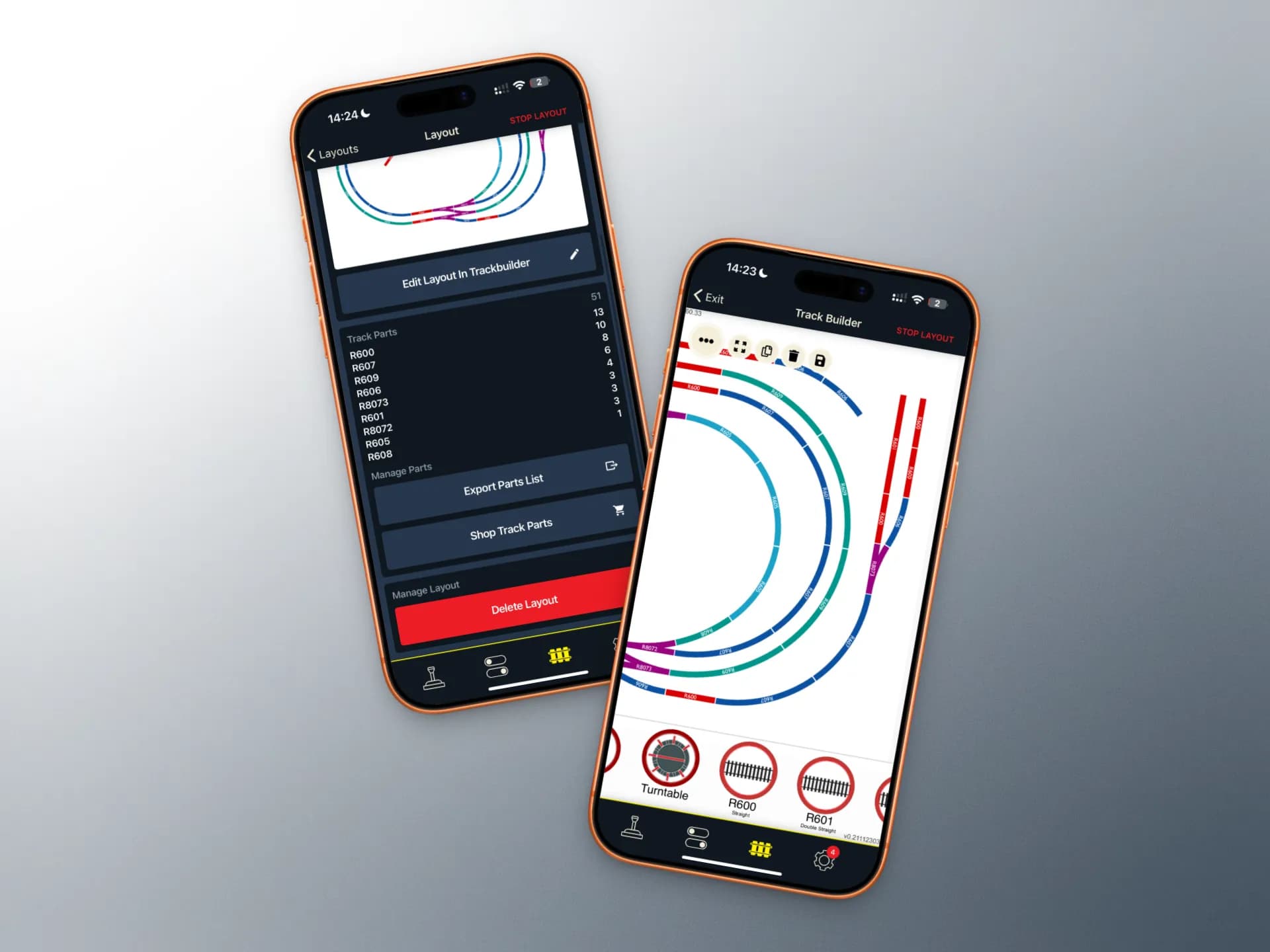
One of the core design challenges was abstracting the complexity of CV programming. Traditionally, modellers adjust raw numerical values and cross-reference manuals to understand behaviour.
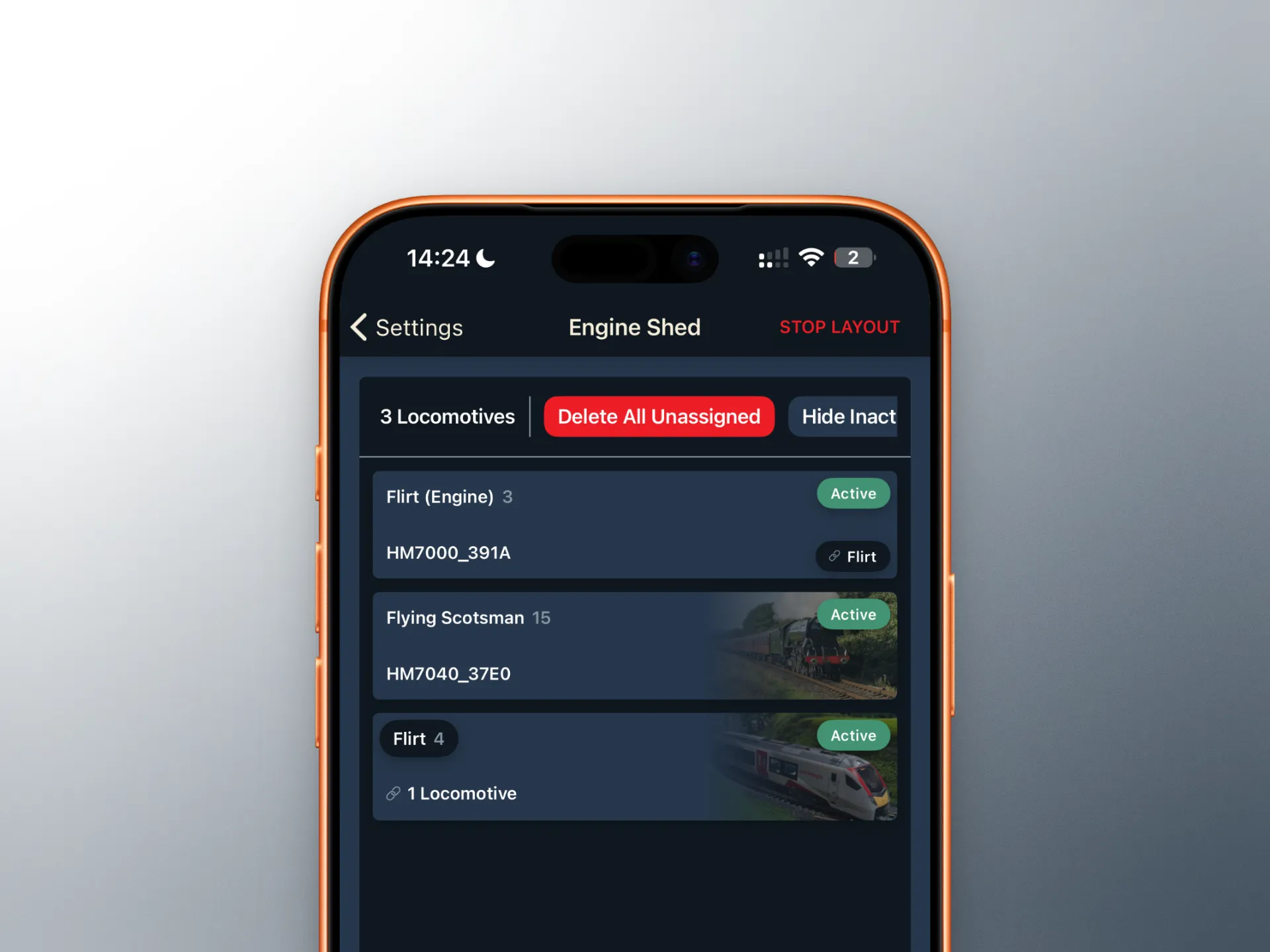
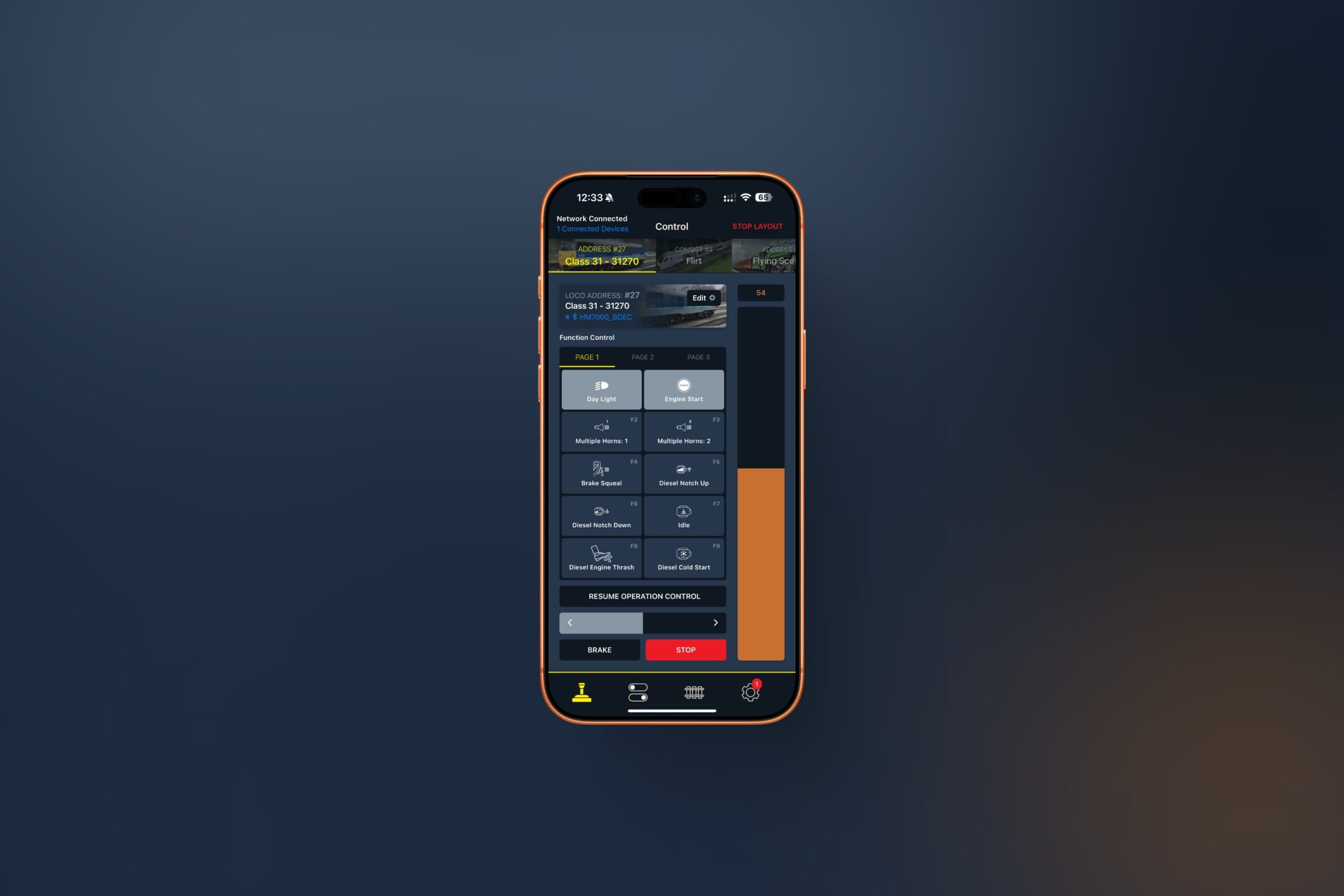
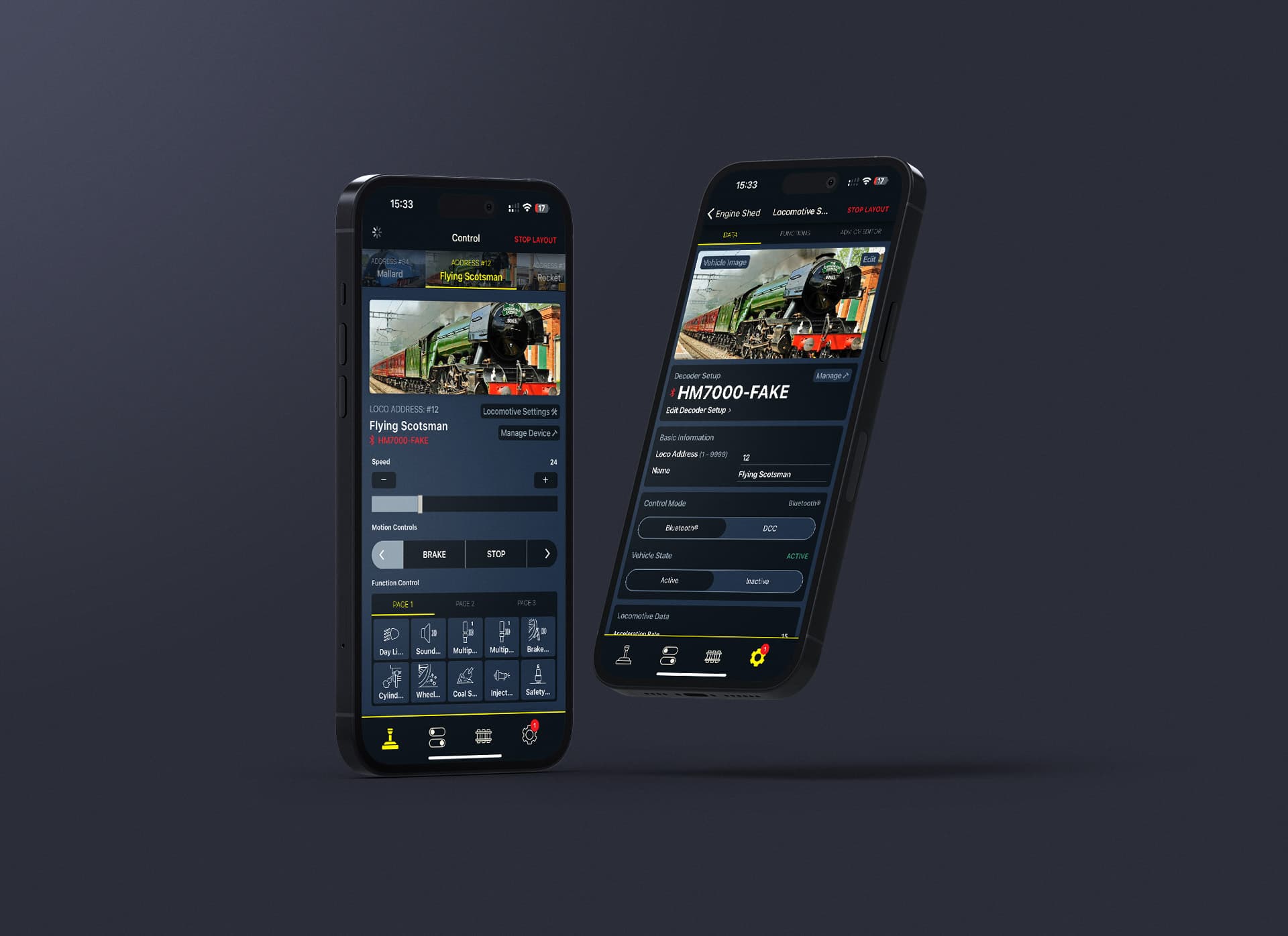
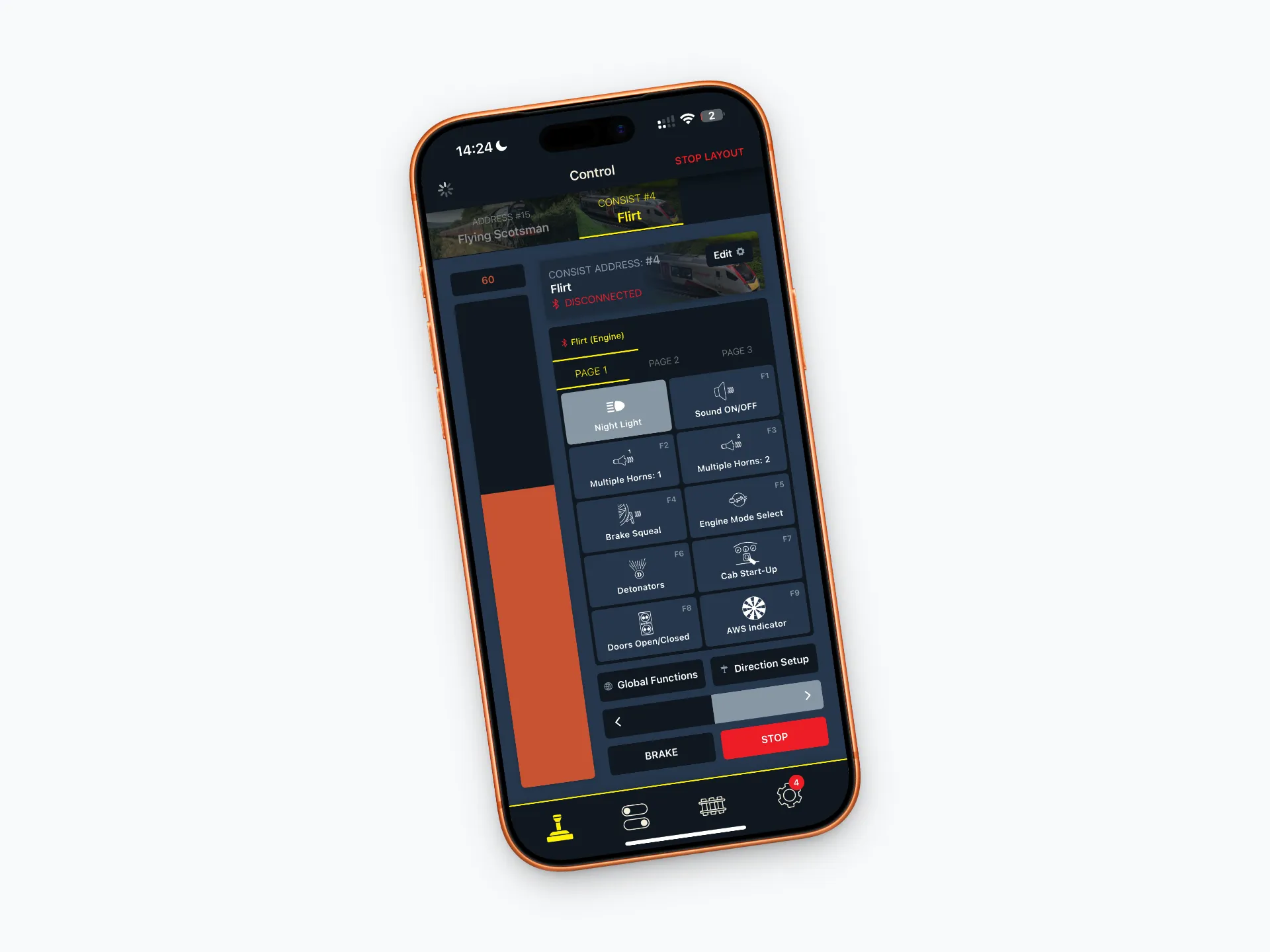
Within HM | DCC, these low-level configuration variables are translated into intuitive controls. Sliders and contextual options allow users to adjust acceleration, lighting behaviour, sound triggers and other locomotive parameters without needing to understand the underlying CV structure.
Instant over-the-air read and write functionality replaces slow track-based programming cycles. Changes are applied directly to the decoder via BLE, significantly improving speed and usability while maintaining full technical capability beneath the interface.
This approach ensures the platform remains powerful for experienced modellers while becoming accessible to new entrants of all age ranges.
Over-the-air sound & firmware delivery
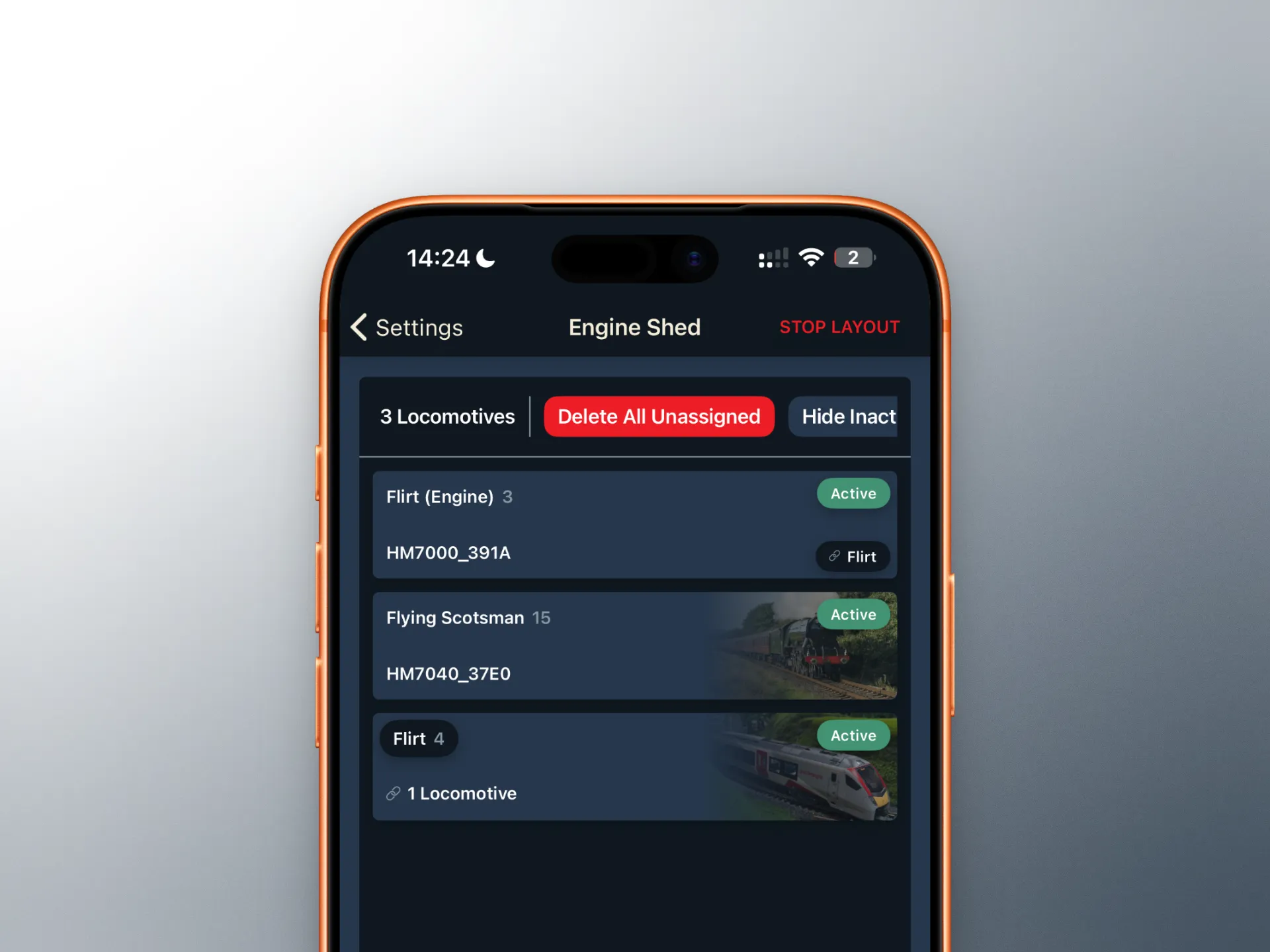
A defining feature of the HM7000 ecosystem is the ability to flash new sound profiles directly from the mobile application.
Delivering this required secure binary transfer, controlled write handling over BLE and robust error management to ensure stability during firmware operations. The decoder transitions from fixed hardware to a digitally evolving product, with Hornby actively releasing new sound packs to expand the library of supported locomotives.
This capability positions the decoder range as a long-term digital platform rather than a static product.
Iterative development & community feedback
Development followed an agile, collaborative structure with Hornby’s internal teams. A closed beta group of experienced enthusiasts received progressive builds throughout the development cycle, providing real-world testing across varied layouts and device types.
Feedback influenced interface refinement, control ergonomics, performance optimisation and stability improvements. This iterative process ensured the final product reflected both technical robustness and practical usability.
Performance & adoption
Early release metrics demonstrate strong adoption and operational stability across the iOS platform:
- Over 170,000 impressions
- More than 30,000 installs
- In excess of 140,000 user sessions
- Sub 0.05% crash rate
With fewer than 60 crash events across significant usage volume, the stability of the application remains exceptionally strong for a BLE Mesh IoT environment.
The application maintains a high App Store rating and achieved broad international rollout, supported by European language localisation at launch. The HM7000 decoder range has proven highly competitive in the DCC market, combining advanced wireless control with accessible pricing.
Hornby Hobbies at the recent GETS show won an award for ‘Best Innovation of the Year’ for Hornby Bluetooth Digital Control and Triplex Sound. Of course, Bryter have had a huge influence in this innovation, so a big congratulations to Bryter and everyone involved!