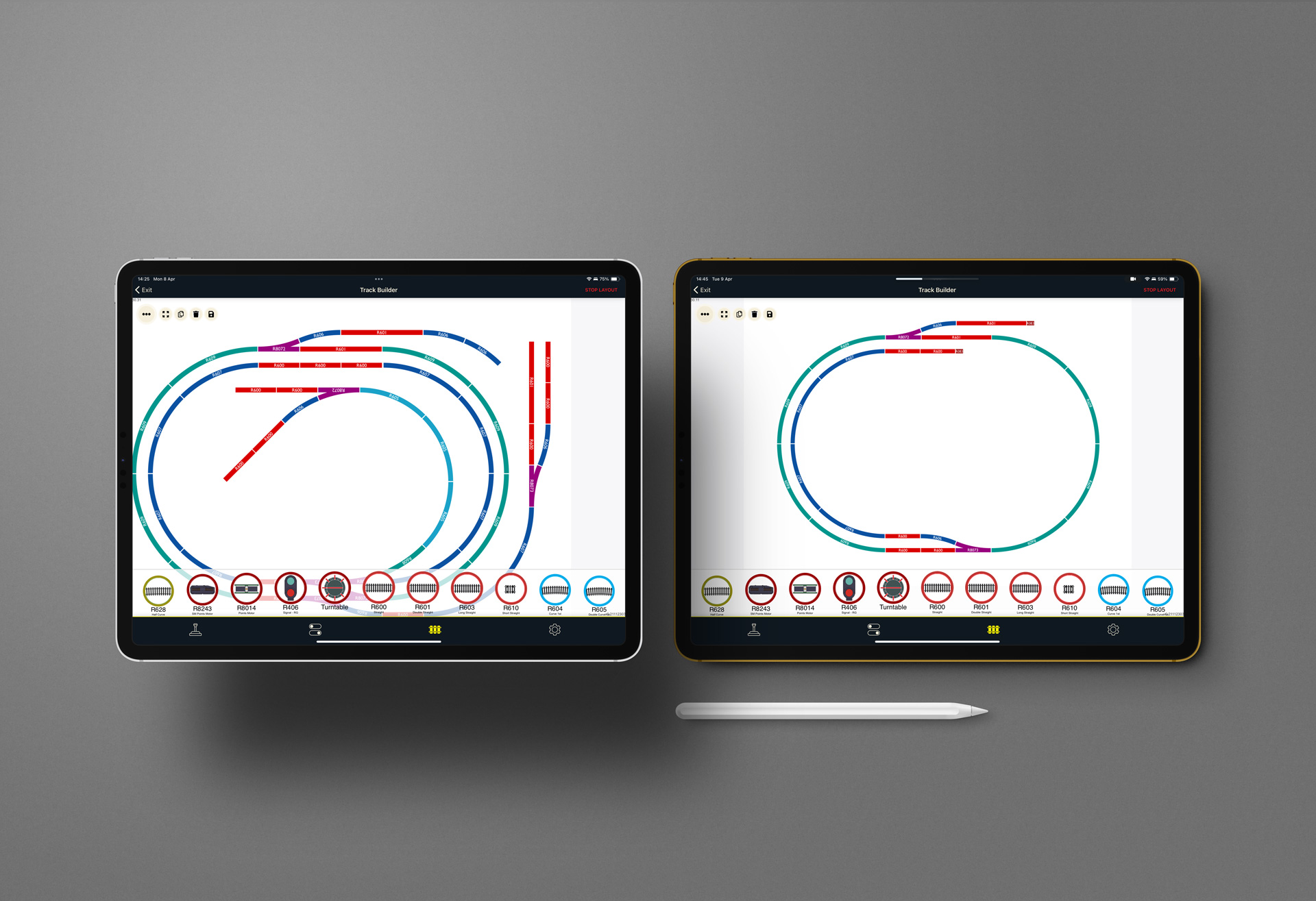
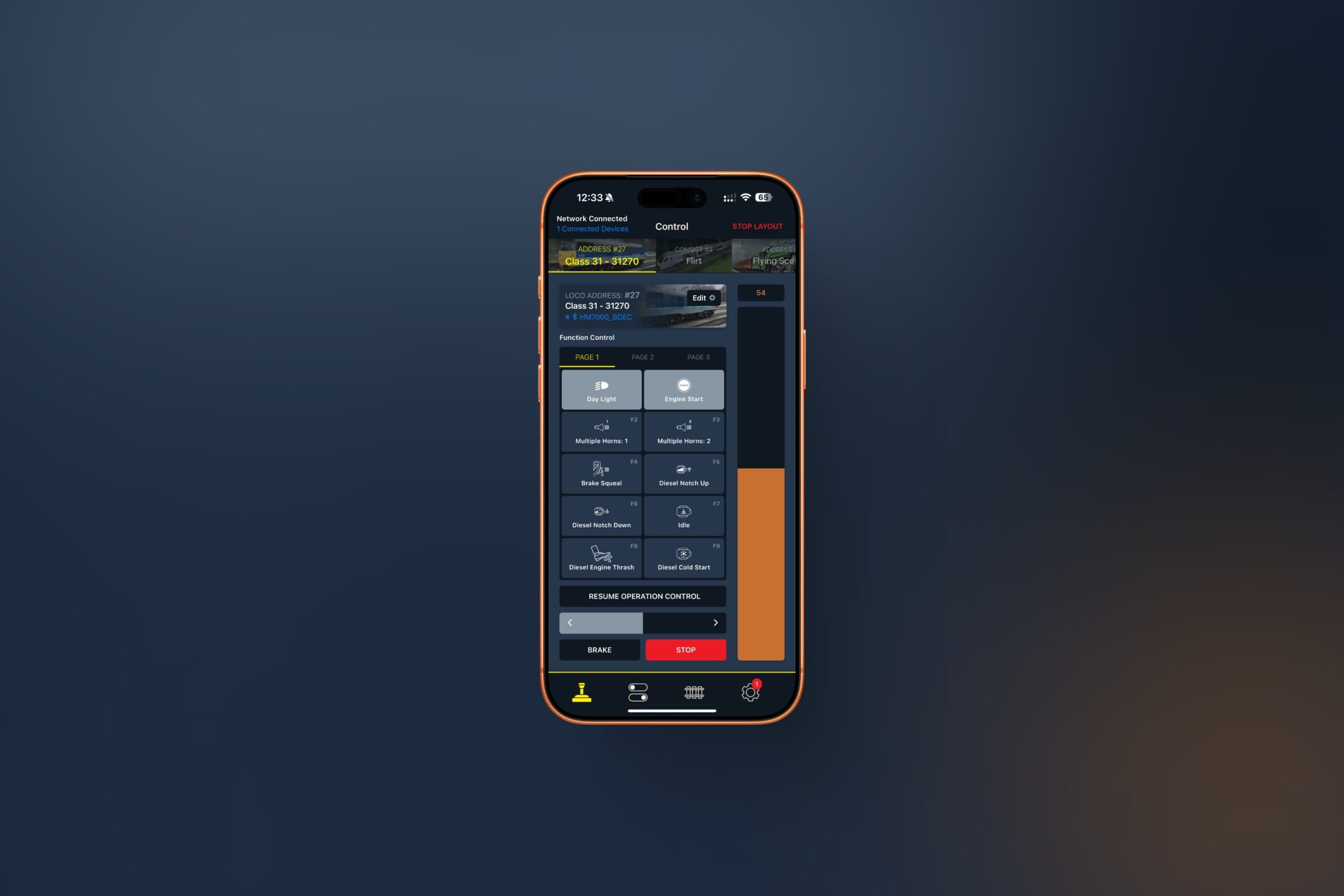
Interactive 2D track planning tool for Hornby OO & TT layouts

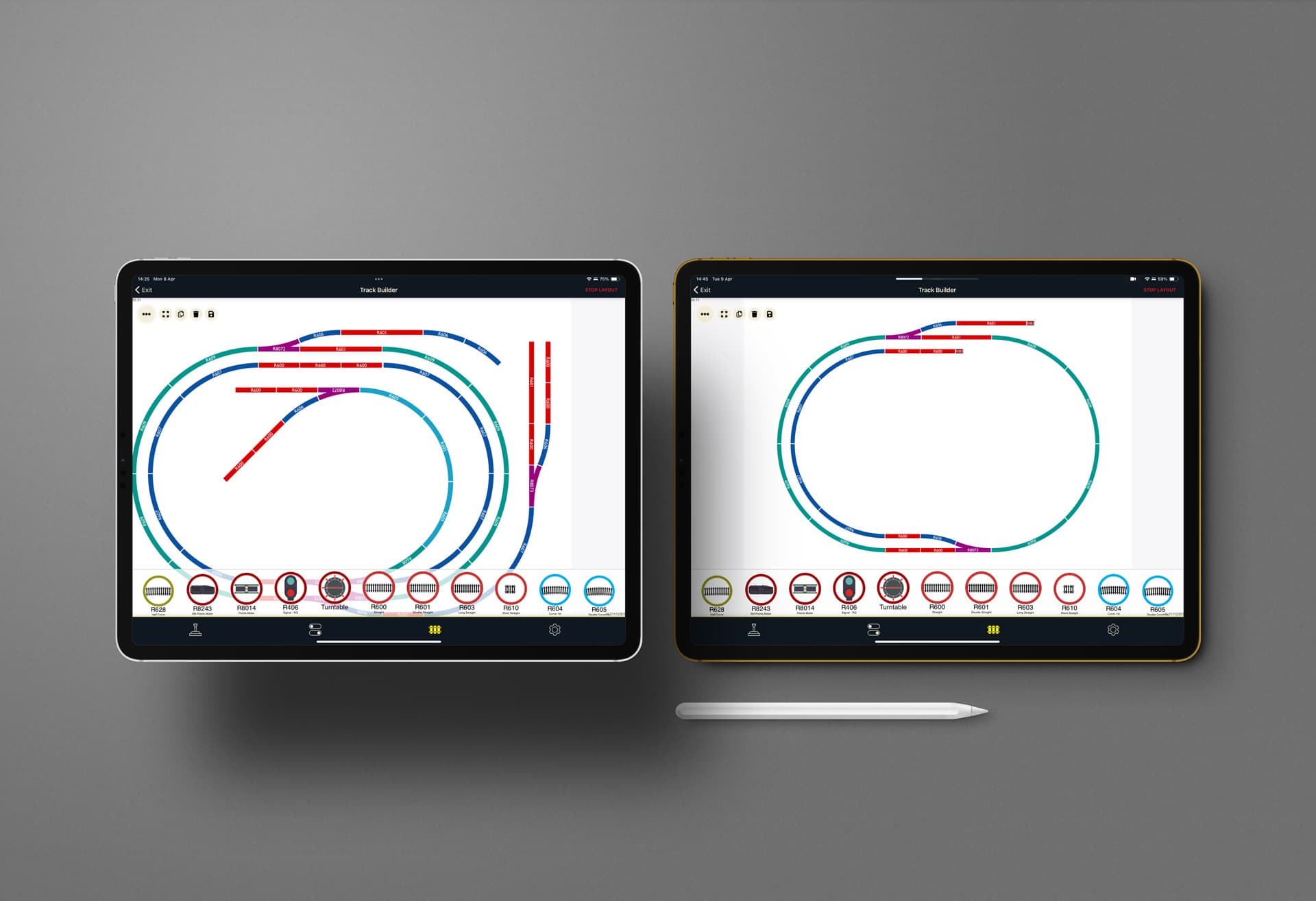
Hornby Hobbies is one of the most recognised names in model railways, with a long heritage of producing OO scale railway systems and expanding further into TT scale modelling. As the hobby continues to evolve digitally, Hornby has invested heavily in tools that support both newcomers and experienced modellers in designing, building, and operating layouts.
As part of the wider HM ecosystem of digital tools and applications, Hornby required a modern layout planning system that could help enthusiasts design track configurations before purchasing and building them physically.
Client
Hornby Hobbies
Project
Hornby Trackbuilder
Industry
Consumer Electronics / IoT
Location
Global
The brief
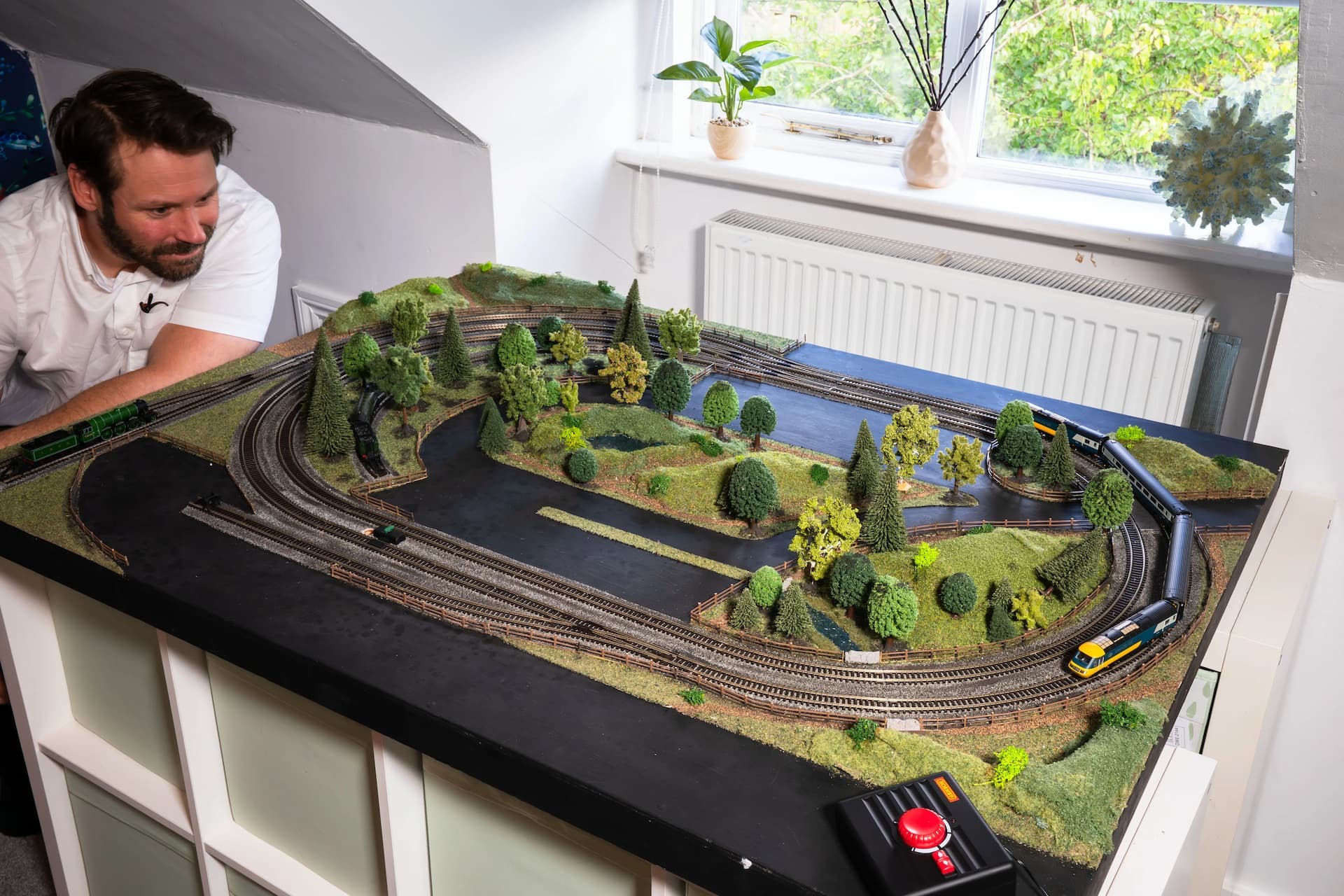
Hornby needed a modern, accessible track planning tool that could replace the traditional approach of sketching layouts or using dated desktop planning software.
The system needed to:
- Work directly in the browser without requiring installation
- Support Hornby OO and TT track libraries
- Provide accurate top-down layout planning using real track geometry
- Allow hobbyists to experiment quickly with layout ideas
- Generate accurate parts lists for purchasing track components
- Integrate seamlessly into Hornby’s digital ecosystem
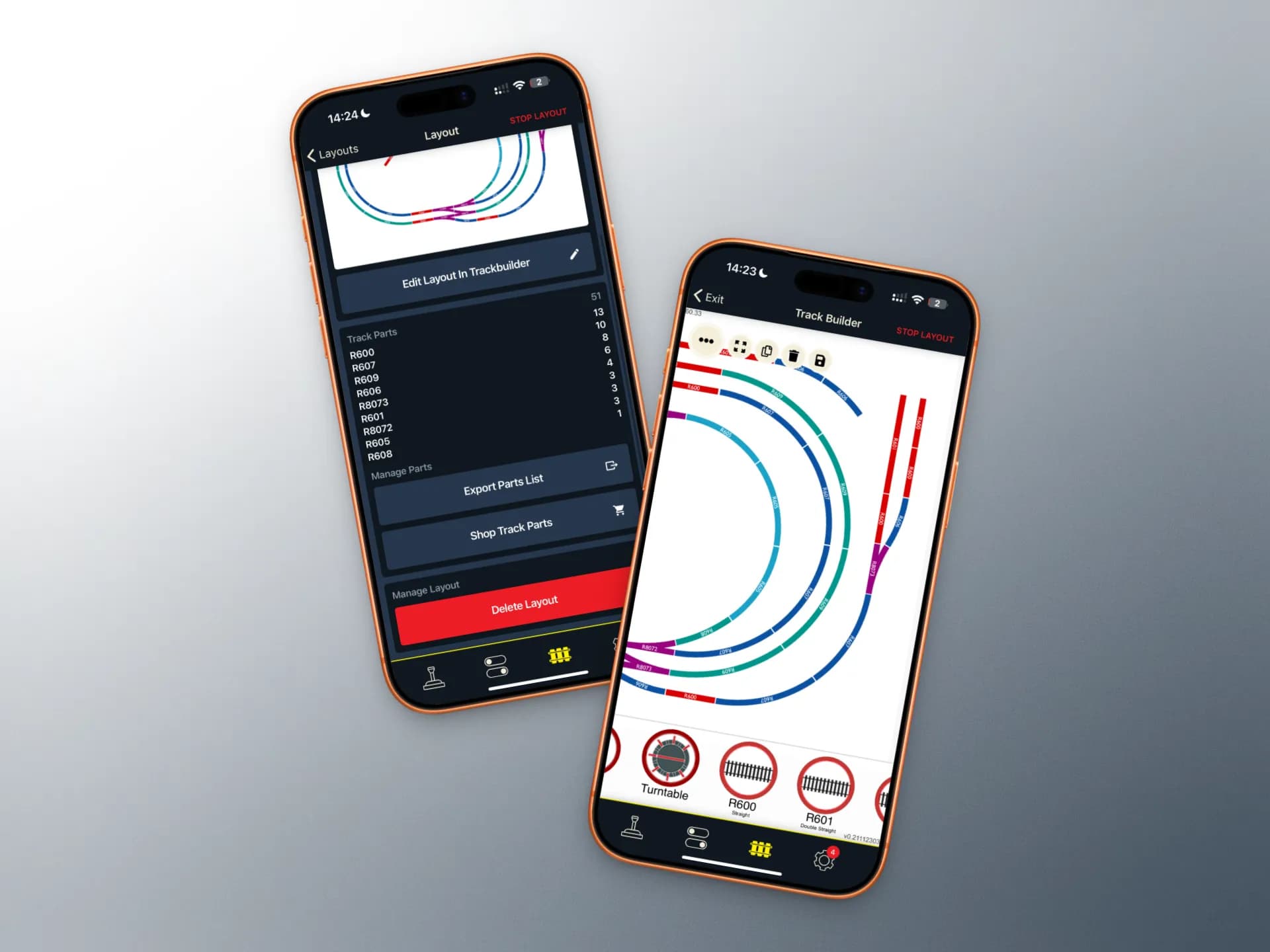
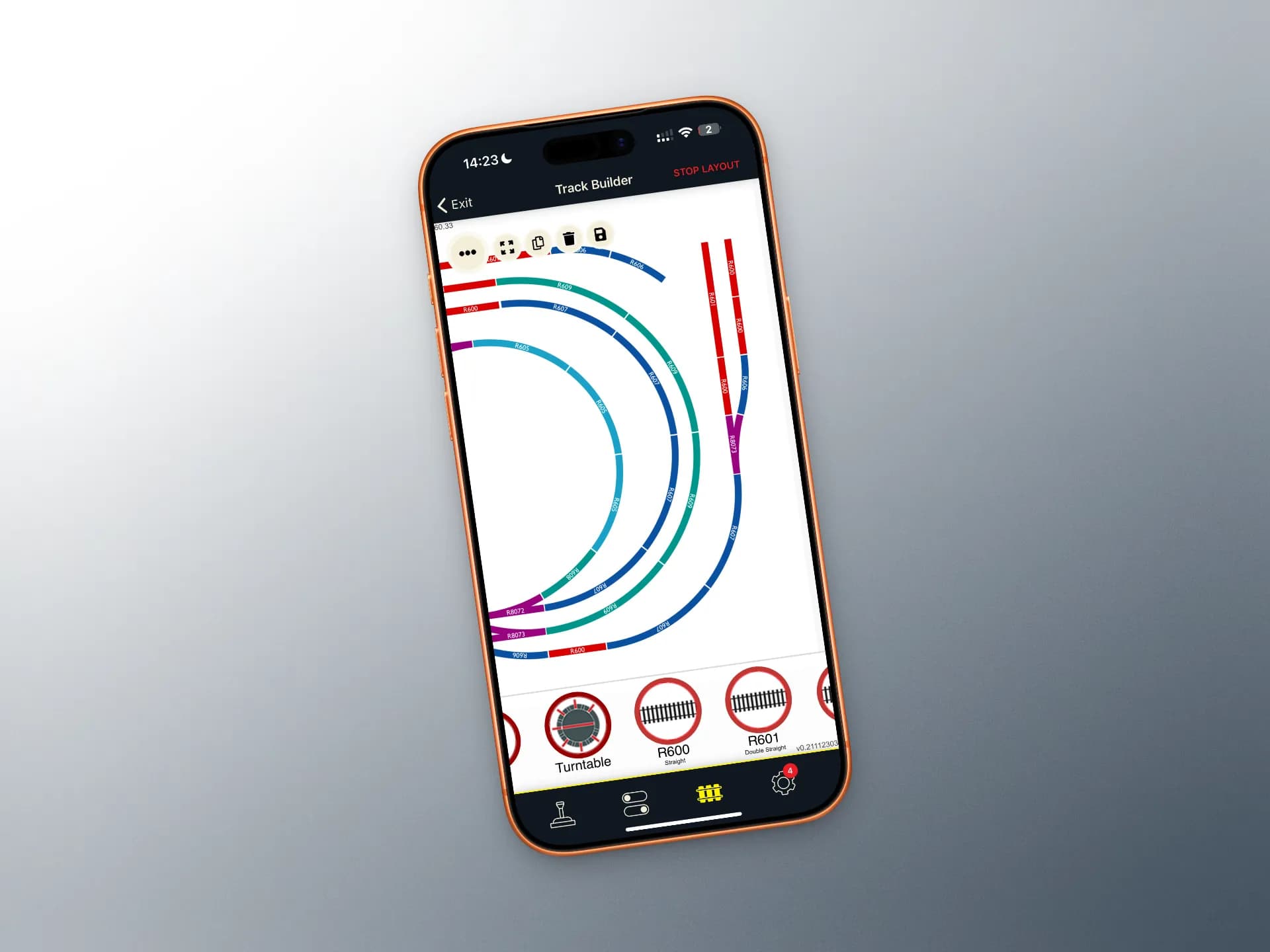
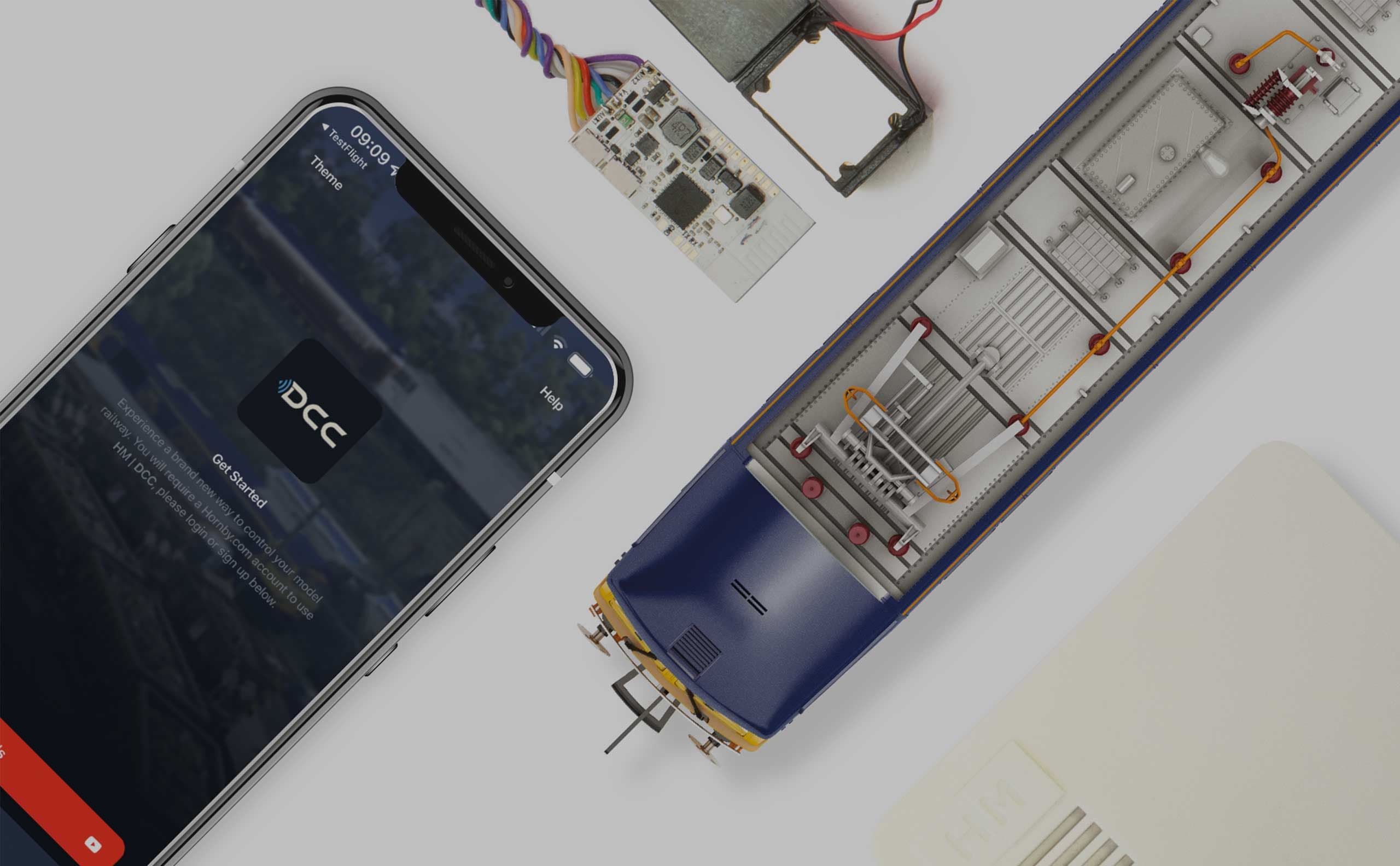
A key requirement was that the planner needed to work not only on the web, but also inside Hornby’s HM | DC and HM | DCC mobile applications, ensuring users could design layouts across devices.
Our approach
Bryter Digital worked closely with Hornby to design a planner that balanced technical accuracy with usability.
We began by analysing Hornby’s full track catalogue and defining a geometry system that could accurately represent each track element digitally. From there we developed a structured planning environment that allowed users to:
- Place and rotate track pieces
- Snap components together correctly
- Adjust board sizes to match real layouts
- Rapidly test layout ideas
Because the planner needed to run across desktop browsers and mobile applications, we opted for a web-based architecture that could also be embedded directly within Hornby’s mobile apps.
Design & development
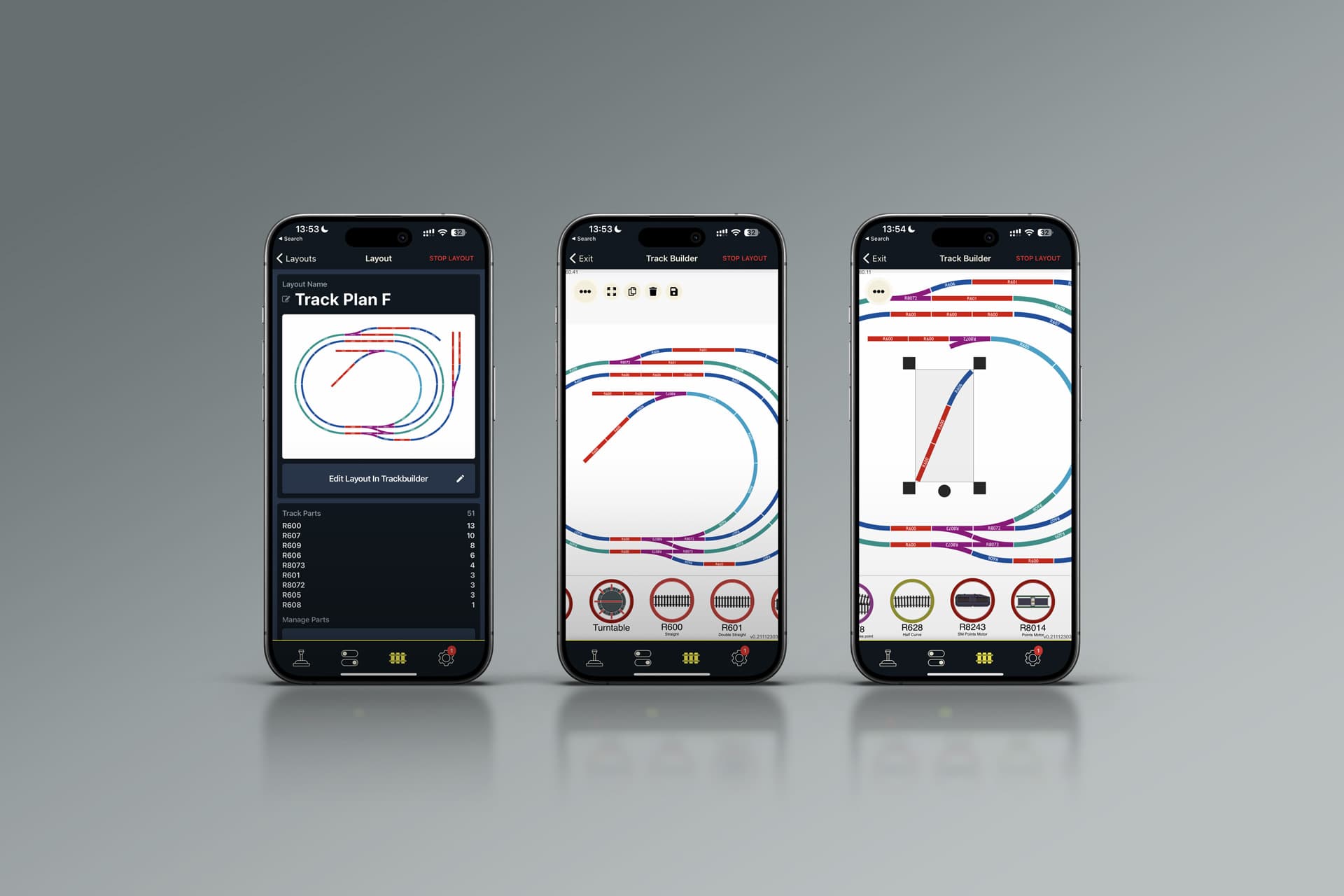
The planner was developed using React and Three.js, allowing us to build a fast, interactive rendering engine capable of handling complex layouts while remaining responsive across devices.
Key features include:
Accurate Track Libraries
Digitally modelled versions of Hornby OO and TT track pieces ensure layouts reflect real-world geometry.
Precision Snapping Engine
A custom placement system ensures tracks snap together correctly while preventing impossible joins.
Interactive Layout Editing
Users can place, duplicate, rotate, and remove pieces quickly using intuitive selection tools.
Flexible Board Planning
Layouts can be designed for custom board sizes, helping users plan around real physical spaces.
Automatic Parts Lists
The system generates a complete bill of materials, making it easy to purchase the exact track pieces required.
Layout Saving & Exporting
Users can save multiple layouts within the app and export designs as images or track part lists.
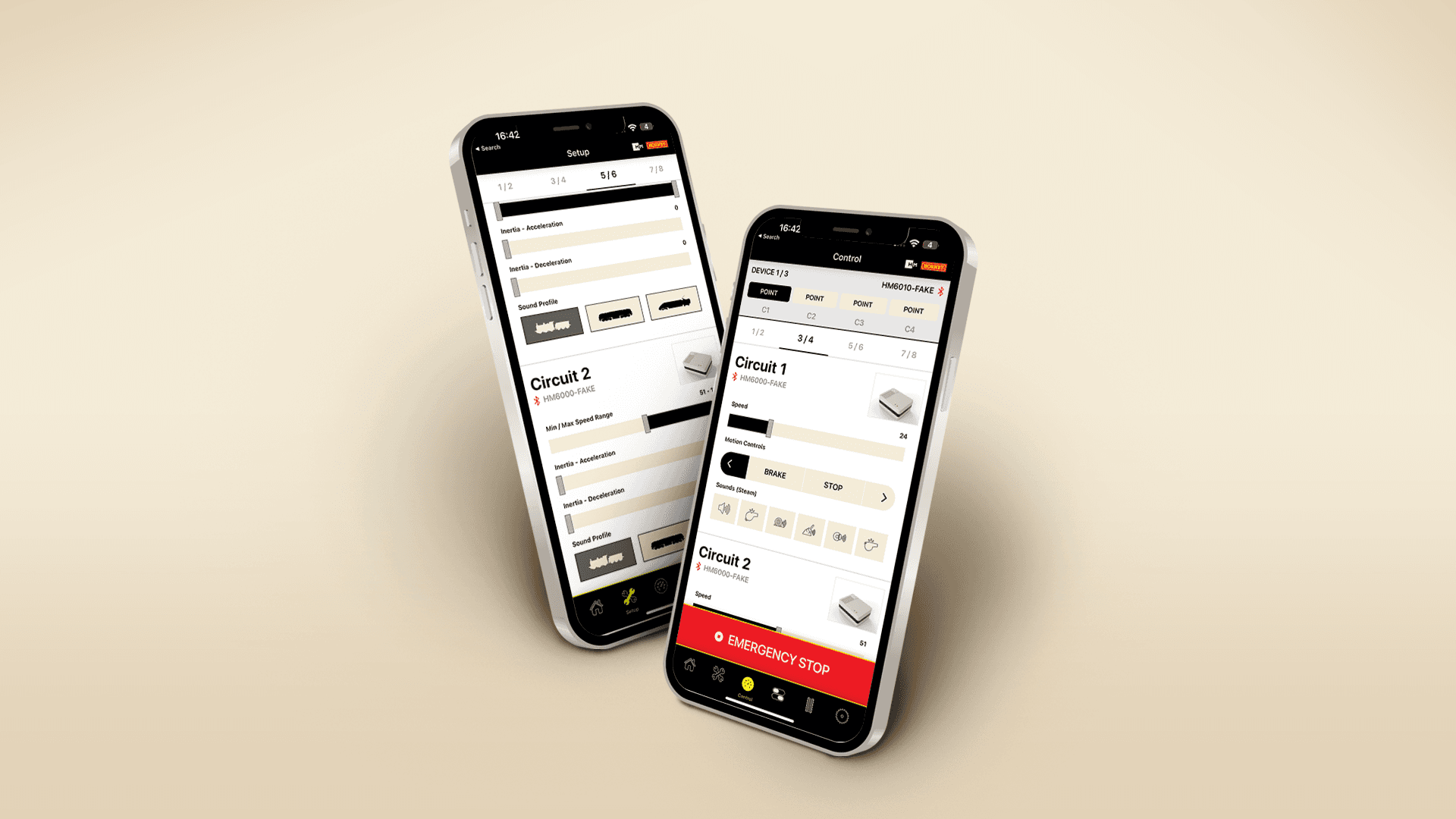
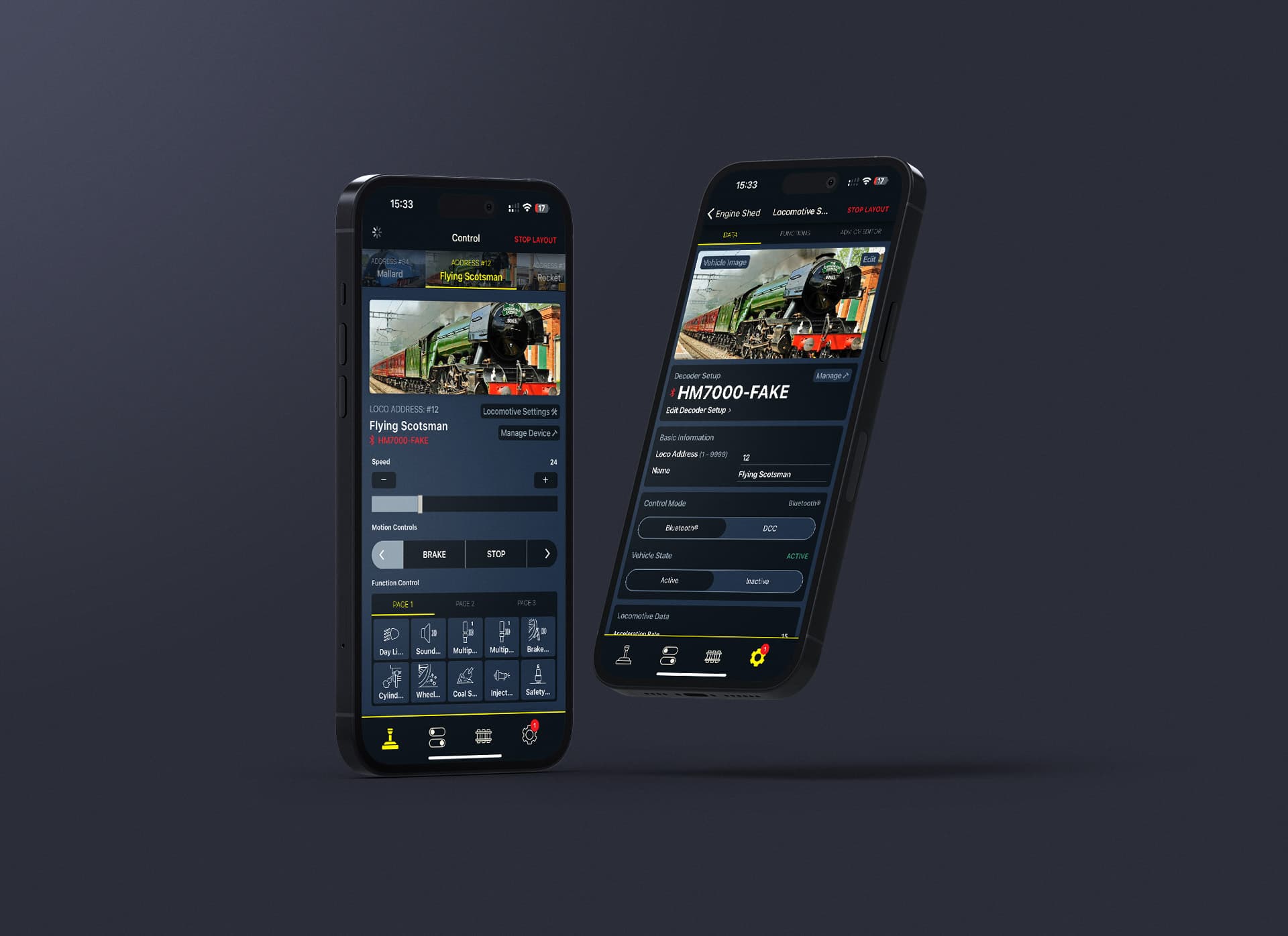
The planner runs entirely in the browser, but is also embedded directly into Hornby’s HM | DC and HM | DCC mobile apps, creating a unified design tool across platforms.
Outcome
Hornby TrackBuilder provides enthusiasts with a modern way to experiment with layout ideas before committing to physical builds.
The tool has been used by 30,000+ users globally, helping modellers:
- Visualise layouts before purchasing track
- Plan boards and track configurations with accuracy
- Generate parts lists directly from their designs
- Design layouts across desktop and mobile devices
For Hornby, the planner strengthens the digital ecosystem around their products while supporting customers throughout the entire journey from layout idea to physical railway build.